Your Roof's Trying to Tell You Something
Finding a few shingles missing from your roof isn't just a cosmetic issue. It's like your roof's way of waving a red flag, hinting that it's been hit by age, heat, wind, or maybe some sneaky moisture damage. If you notice curled edges, cracked tabs, or shingles scattered around after a storm, don't brush it off. Your roof's trying to give you a heads-up, and it's smart to listen. The best move? Pair those visual clues with a professional roof inspection before a small hiccup turns into a big headache.
In South Florida, our roofs face a tough crowd: blazing sun, heavy rains, and sudden storms. That's why catching these early signs is crucial. The National Weather Service can tell you how fast-changing weather can whip up damaging wind and rain, and just one wild event can mess with your shingles or reveal weak spots. Check out their resources for more. Knowing what these signs mean helps you decide on repairs, replacements, and long-term home care.
At Advanced Roofing & Construction, we remind folks that roof trouble rarely starts with a dramatic leak. It usually begins with small, easy-to-miss changes like granules in gutters, lifted shingles, or dark patches on the roof. Spot these early, and a quick roof repair might do the trick. If it's more widespread, a roof replacement could be the smarter long-term play.
Why Shingle Damage Isn't Just a Cosmetic Issue
Shingles: Your Roof's First Line of Defense
Shingles are like your roof's armor against wind and sun. If even a small part is missing or damaged, water can sneak into the underlayment, decking, and attic. That can lead to leaks, wood rot, mold, and higher energy bills. Often, the shingle problem you see is just the tip of a bigger roofing iceberg.
Damage Can Snowball Quickly
One bad shingle can set off a chain reaction. Wind can get under lifted edges and pull more shingles loose, especially in the next storm. Water can seep in, weaken adhesives, and cause more damage. The U.S. Environmental Protection Agency warns that untreated moisture can quickly escalate, so acting fast after spotting damage is key.
Small Problems Can Turn Into Big Expenses
Ignoring a minor shingle issue can lead to attic insulation damage, ceiling stains, drywall repairs, or even structural work. That's why it's wise to get an assessment when you spot warning signs. If the damage is from high winds, hail, or debris, our storm damage services can help you pinpoint both visible and hidden issues.
How to Tell If Your Shingles Need Some Love
Missing, Cracked, or Curled Shingles
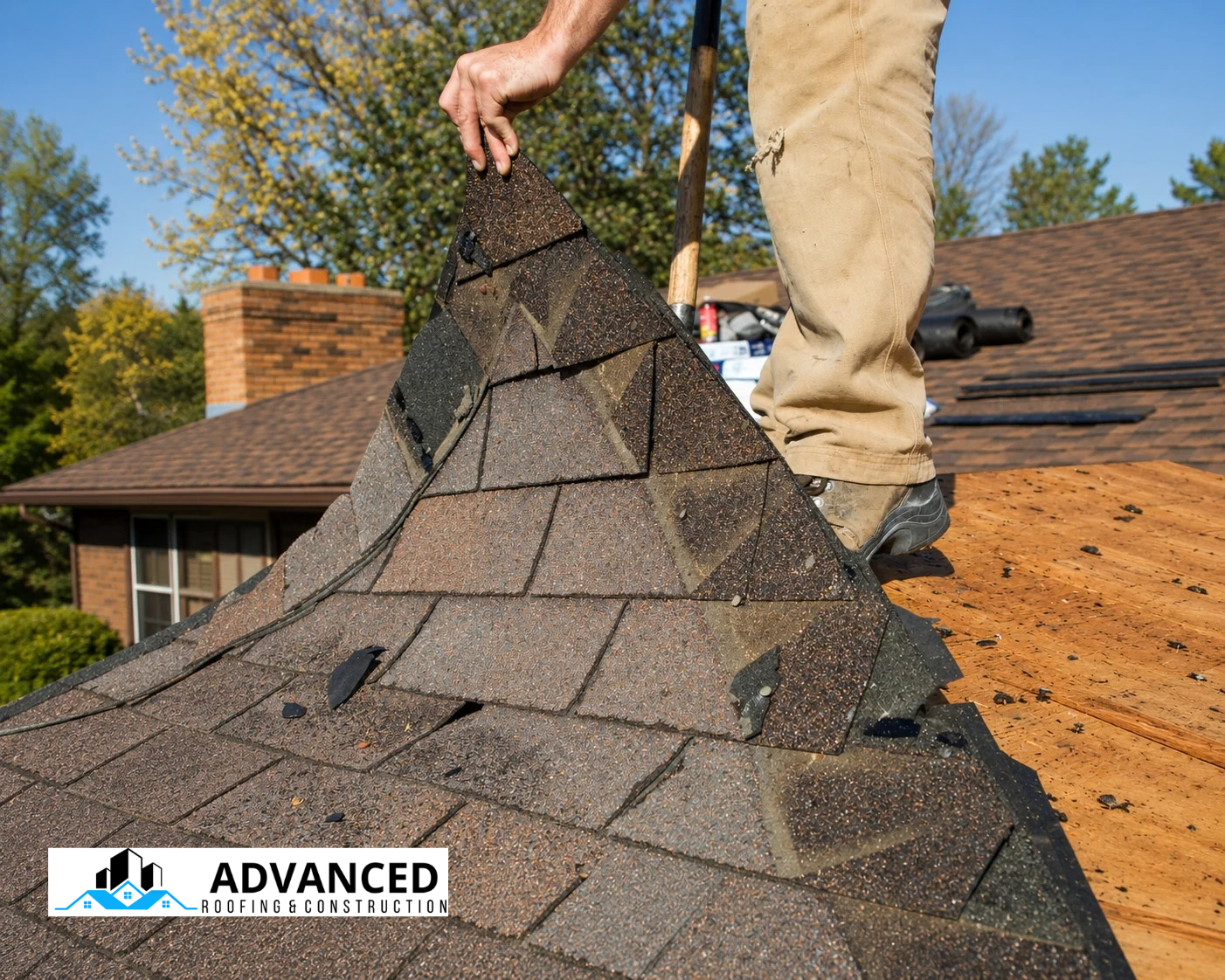
Missing shingles are easy to spot, but cracked or curled ones are just as concerning. Curling can mean age or heat damage, while cracking often points to brittleness from sun exposure. If shingles aren't flat, water might get into areas meant to stay dry. In Florida, heat can speed up this wear, so keep an eye out.
Granules in Your Gutters
Granules protect shingles from UV harm, so when they start shedding, it means shingles are losing their protective layer. A few granules are normal, but lots of grit in gutters can mean accelerated wear. Pairing roof care with gutter replacement or cleaning can help you spot trouble early.
Dark Spots, Soft Areas, or Sagging
Dark patches might mean water absorption or granule loss, while soft spots can suggest decking issues. Sagging is more advanced and should never be ignored, as it may point to structural stress or moisture intrusion. Spot any of these from the ground? Schedule a professional evaluation quickly.
Loose Shingles After a Storm
Even if shingles aren't missing, wind can break seals and lift edges, leading to future leaks. Florida folks should check after storms with high winds. Poor attic airflow can worsen shingle stress, so consider our attic ventilation solutions to help.
What Causes Shingle Damage?
Weather and Wind Uplift
Wind is a major shingle killer, especially on roofs with aging adhesive seals. Gusts can catch shingle edges, pulling them up. Heavy rain makes it worse by forcing water into once-sealed areas. After severe weather, check for debris, shingle fragments, and new ceiling stains.
Heat, UV Rays, and Aging
Florida's heat and sun can dry out shingles, making them brittle and prone to cracking. Older roofs often show multiple issues: curled corners, faded colors, brittle surfaces, and more leaks. These are reasons folks often consider a full roof replacement instead of patchwork repairs.
Poor Installation or Maintenance
Good materials can fail if not installed right or maintained. Nail placement, ventilation, and drainage affect shingle lifespan. A roof that's never inspected might hide issues until they're costly. A roof inspection before buying a home can reveal hidden risks.
How to Safely Check for Shingle Issues
Start from the Ground
Begin with a safe, ground-level check using binoculars or a camera zoom. Look for missing patches, lifted corners, or color changes. Scan the yard, gutters, and driveway for fallen shingle pieces. This routine can reveal a lot without any risk.
Peek Inside the Attic and Ceilings
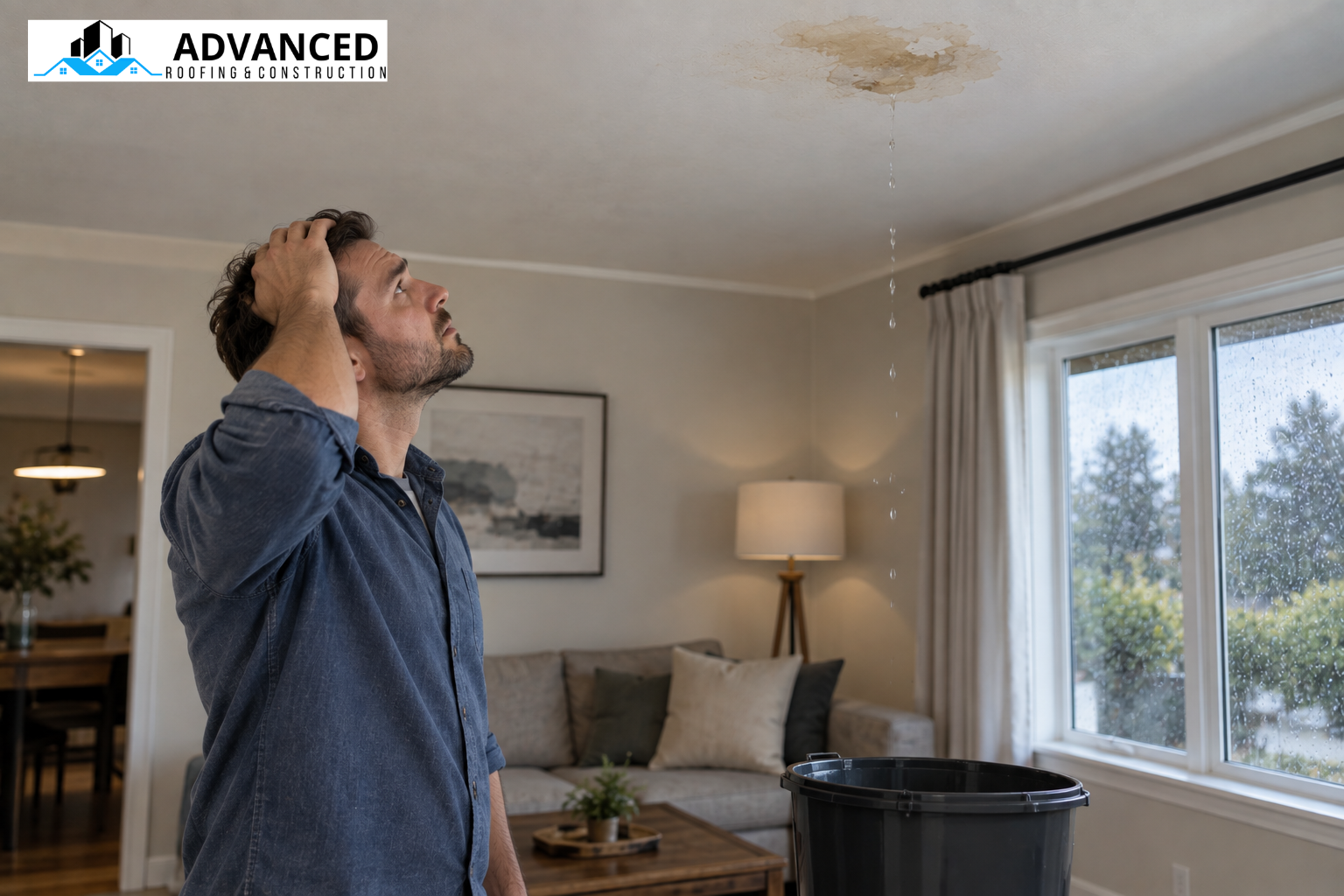
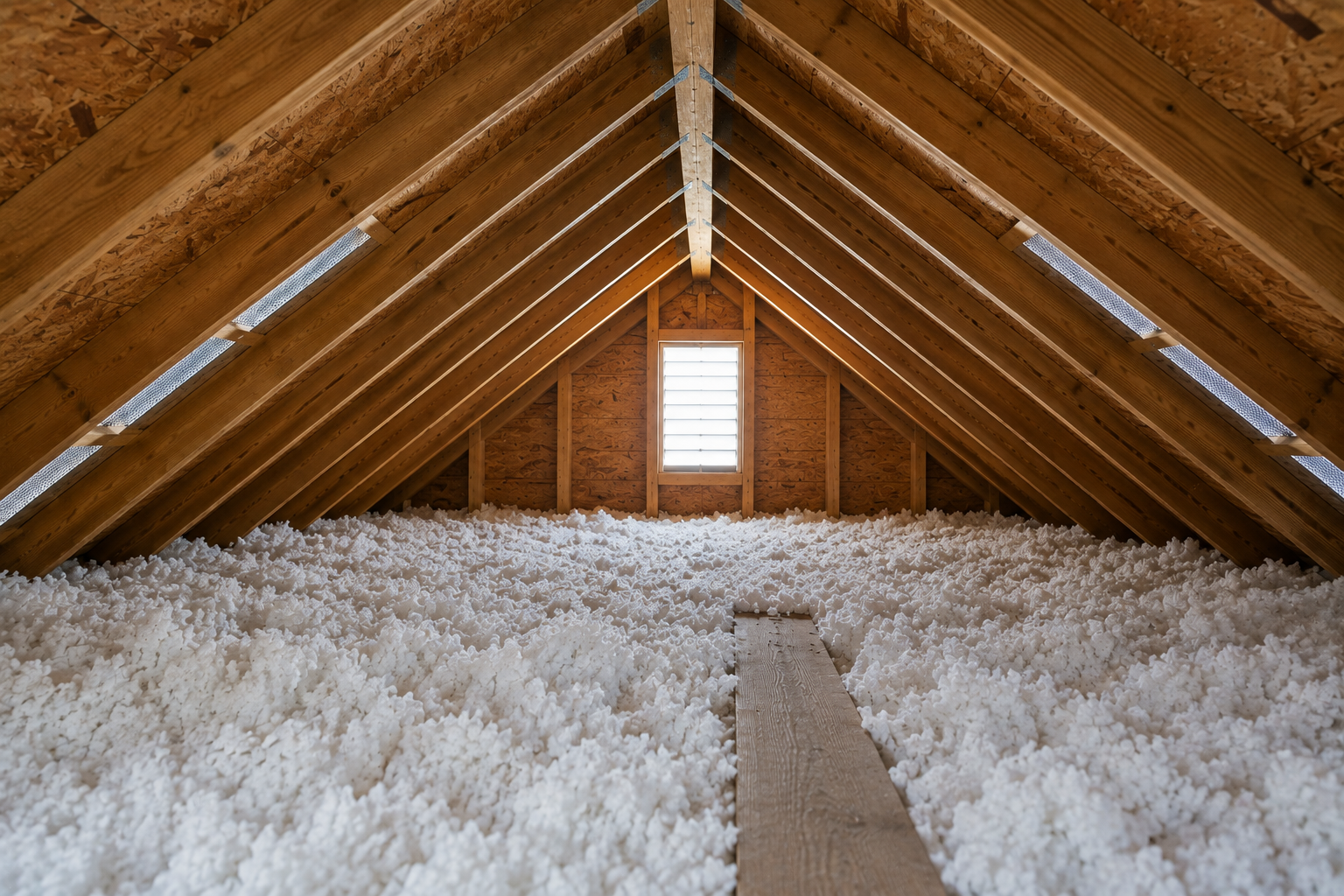
Roof damage can be easier to spot inside. Check for damp insulation, daylight through boards, or musty odors. Indoors, look for water rings, peeling paint, or stains. See these after rain? Check out our article on a roof leak after heavy rain to understand the damage.
Call a Pro When Needed
Walking on a roof can be dangerous. If it's steep, aging, or storm-damaged, let a trained contractor do the inspection. They can spot subtle issues easy to miss from the ground.
Repair or Replace: Making the Call
When Repairs Make Sense
If the damage is small and the surrounding shingles are okay, repairs might be your best bet. This is true for minor wind lifts, small impacts, or early leaks. A targeted roof repair can restore protection quickly.
When Replacement Is Smarter
If the roof is older, damage is widespread, or leaks are recurring, replacement might be better. Frequent repairs on a failing roof can add up without solving the bigger issue. A new roof installation offers a fresh start with modern materials and better protection.
How a Contractor Can Help
Your contractor should explain the roof's condition and options without pressure. The right choice isn't always the priciest—it's the one that fits your roof's age and condition. Get a detailed assessment and photos to make an informed decision.
Act Fast After Storms
Hidden Damage Can Lurk
After a storm, your roof might look fine but still have hidden damage. Shingles can lose sealing strips, and flashing can loosen. The Federal Emergency Management Agency suggests prompt evaluations after storms.
Smoother Insurance Claims
Quick documentation of roof damage makes claims easier. Ground photos, attic notes, and contractor findings help. Waiting too long can complicate proving the damage timeline.
Temporary Fixes Aren't a Cure
Emergency tarping or sealing is just a stopgap. Follow-up inspections are needed for more serious damage. Our storm damage services can guide you from temporary fixes to lasting solutions.
Keep Your Shingles in Top Shape
Regular Inspections Are Key
Roof problems get pricier when ignored. Regular checkups catch loose shingles, failing sealants, and ventilation issues early. Routine inspections are a simple way to extend your roof's life.
Keep Gutters Clean
Overflowing gutters can back up water, damaging shingles and fascia boards. Good drainage helps the roof perform better. If gutters sag or clog, consider a gutter replacement.
Ventilation Matters
Attic heat can bake shingles from below. Good ventilation regulates temperature and moisture, reducing stress. Read our guide to attic ventilation to learn more.
Your Top Shingle Questions Answered
How Many Missing Shingles Are Too Many?
There's no one-size-fits-all answer. It depends on roof age and damage location. Even one missing shingle in a vulnerable area can cause trouble. Get damage checked out rather than guessing.
Can Leaks Start Before You See Stains?
Yes. Water often travels through rafters and insulation before showing indoors. By the time a stain appears, the leak may have been active for a while. That's why inspections matter even if all looks dry inside.
Is Repairing Old Shingles Worth It?
Sometimes, especially if the roof's in good shape overall. But if shingles are brittle across large areas, replacement might be more cost-effective. A professional opinion helps avoid overspending on short-term fixes.
What to Do After a Storm?
Do a safe ground-level check, take photos of damage, and check inside for signs. Contact a contractor for a professional inspection. If there's an active leak, move belongings and use buckets or tarps until help arrives.
Stay Ahead of Roof Problems
Missing or damaged shingles are like your roof's early warning system. Responding early can help you dodge interior damage and costly repairs. Whether it's a repair, inspection, or deciding on a replacement, acting before issues spread is key. In South Florida, being proactive makes a big difference in how your roof handles the climate.
Advanced Roofing & Construction is here to help you spot problems early and find the right solutions. If you've seen loose shingles, storm damage, or wear signs, schedule a professional review before the next storm. Start with a roof inspection, explore our residential roofing support, or reach out for guidance on your next steps. Catching a small issue today can save you a big repair tomorrow.