Roof Leak After Heavy Rain? 5 Signs It's More Serious Than It Seems
So, you’ve noticed a leak in your roof after a downpour. It might look like a small drip or a minor stain, but don't brush it off. Water can sneak into your insulation, wood framing, and even electrical systems, causing damage far from where it first sneaks in. If you're wondering if your roof needs just a patch or something more, this guide will help you spot the early warning signs and decide your next move.
If you're looking for quick, expert help, a timely roof inspection can uncover hidden issues before they snowball. Often, a leak is just the tip of a bigger roofing problem. Heavy rain can reveal weak spots that have been brewing for months. The sooner you act, the better your chances of dodging costly structural damage.
The Federal Emergency Management Agency says water intrusion can quickly lead to mold, weakened building materials, and interior damage if not handled promptly. Even if a leak seems manageable, it's wise to take it seriously. You're not just stopping water today—you're checking if your whole roofing system is in trouble.
Why Heavy Rain Often Reveals Bigger Roofing Problems
Rain exposes weak points fast.
Heavy rain puts your entire roofing system to the test. Every part, from shingles to gutters, needs to work together to keep water out. If something is already old or damaged, a storm can make it fail and turn a hidden issue into a glaring one.
A small drip during a storm might hint at a bigger problem, especially if your roof has faced recent wind, hail, or extended sun exposure. For roofs showing wear, a roof repair might fix the immediate leak, but it's crucial to check if other materials need attention. Often, the leak's visible spot inside isn't where the roof was actually breached.
Water follows the path of least resistance.
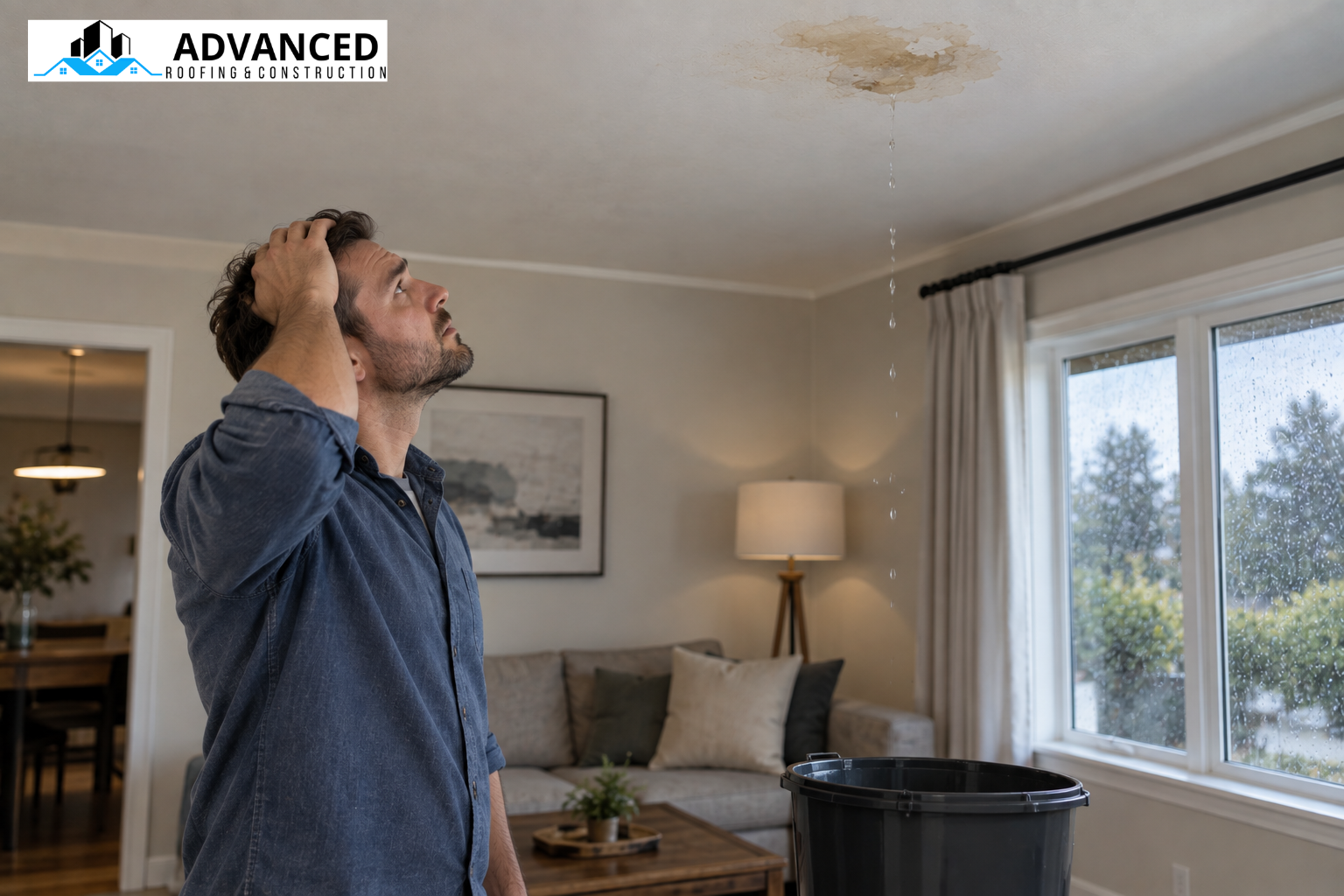
Many homeowners think the leak is directly above the ceiling stain. In truth, water can enter through a damaged shingle or flashing and travel along rafters or insulation before showing up indoors. That's why diagnosing roof leaks after heavy rain can be tricky without a thorough inspection.
Because of that movement, a small ceiling mark can conceal widespread moisture. Roofing pros usually inspect the attic, roof deck, and exterior to find the real source. If your roof is older or storm-damaged, a broader fix, like a roof replacement, might be more cost-effective than repeated patching.
Moisture problems grow quickly.
Once water gets past your roof, it can keep causing damage long after the rain stops. Wood can swell, insulation can lose its effectiveness, and mold can start growing in hidden spots. The U.S. Environmental Protection Agency says mold can start developing in as little as 24 to 48 hours in damp conditions, which is why quick action is crucial after any roof leak.
If the leak happens during a big storm, consider if you need emergency help. In such cases, storm damage services can help tackle active leaks, document damage, and shield your home while figuring out the full scope of repairs.
5 Signs Your Roof Leak Is Worse Than It Looks
1. The leak appears in more than one room
When a roof leak shows up in various parts of the house, it usually means water is spreading through the structure. A single roof penetration can let water travel along framing members before finding a place to drip, creating multiple stains or wet spots. This is a strong sign that the problem is more than just cosmetic.
If you see leaks in different rooms after one storm, your roofing system might have more than one failure point. This could include damaged shingles, compromised flashing, clogged gutters, or underlayment failure. Sometimes, drainage issues that a gutter replacement could fix by moving water away from vulnerable edges more effectively cause problems.
2. You see sagging, bubbling, or soft spots
Bubbling drywall, blistering ceiling paint, or soft roof decking are all red flags. These symptoms mean moisture is already trapped inside materials and may be weakening them. A simple surface stain can be misleading if the structure beneath it is already soaking up water.
Check for sagging around ceilings, soffits, or attic roof lines. Such movement can mean decking is overloaded with moisture or framing members are starting to deteriorate. If you're unsure whether the damage is isolated, a professional roof inspection can help determine whether repairs are enough or if structural issues are developing.
3. There is a musty smell in the attic or home
A musty odor often pops up before you notice obvious mold. That smell usually means moisture is sitting in a hidden area, like insulation, attic framing, or wall cavities. Even if the leak seems small on the surface, odor can be an early warning that damage extends beyond the visible stain.
The Centers for Disease Control and Prevention advises that controlling moisture is crucial in preventing mold growth indoors. If a leak has been active for more than one storm, check the attic for damp insulation, darkened wood, and signs of long-term exposure. This is especially important in humid areas where moisture lingers longer.
4. Shingles, flashing, or granules are missing
After heavy rain, damaged roofing materials are sometimes visible from the ground. Missing shingles, lifted flashing, exposed nail heads, or piles of granules in gutters all suggest your roof has suffered more than a simple water intrusion. These are signs the outer protective layer might not be doing its job anymore.
Granule loss, in particular, can signal aging shingles nearing the end of their life. When a roof has multiple worn areas, the leak might be a symptom of widespread deterioration rather than a one-time failure. In such cases, a quick repair may stop the leak temporarily, but a more comprehensive plan could be necessary for long-term protection.
5. The leak returns after every storm
If the same spot leaks again and again after rain, the underlying issue probably isn't fully resolved. Temporary fixes might stop water for a while, but recurring leaks usually point to a more severe problem with flashing, underlayment, drainage, or roof aging. Repeated leaks are a clear sign the damage is worse than it looks.
That's why you shouldn't assume your roof is fine just because the leak dried up between storms. Water intrusion often reappears when wind direction, rainfall intensity, or runoff patterns change. If the leak keeps coming back, a more complete solution like a new roof installation might be the safest long-term investment, especially for a roof that’s reached the end of its service life.
What to Check Right After the Storm
Inspect safely from the ground first.
After heavy rain, start by visually checking from the ground. Look for missing shingles, damaged gutters, roof debris, or areas where water isn't draining properly. Avoid climbing onto a wet or unstable roof, since safety should always come first.
Use binoculars if needed to spot lifted edges, dark patches, or bent or separated flashing. If the roof is steep or visibly damaged, leave the inspection to a trained professional. A quick ground-level review can still help you describe the issue accurately when you request service.
Check the attic before the stain spreads.
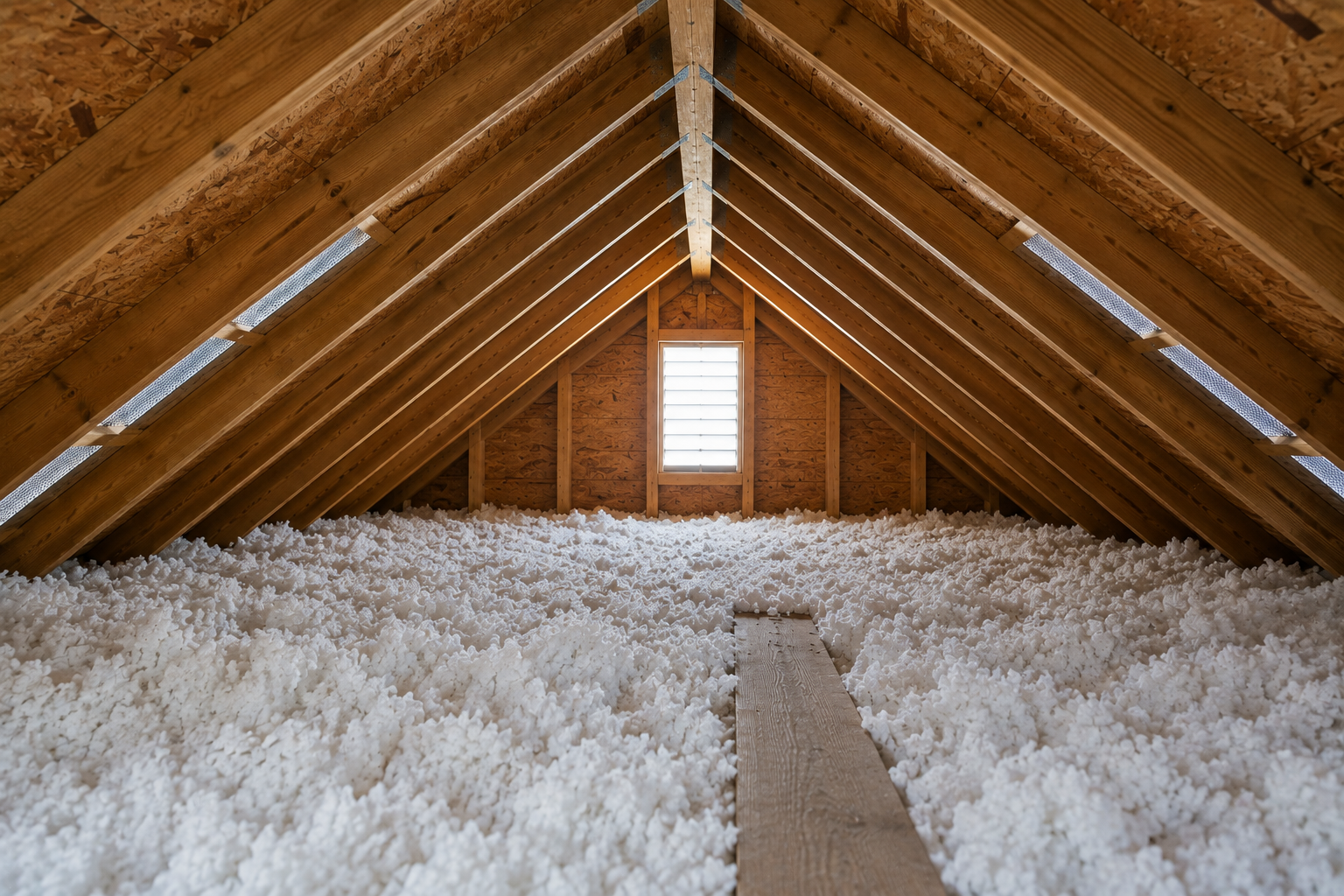
If it's safe to enter, the attic can reveal active leaks before they become major interior problems. Look for damp insulation, water trails on wood, discoloration on nails, and light coming through roof boards. Fresh moisture in the attic is a sign that the roof is still vulnerable and may need immediate attention.
This is also a good time to see if ventilation is helping or hurting the problem. Poor airflow can trap heat and moisture, which weakens roofing materials over time. If your attic feels excessively hot or humid, learning more about attic ventilation may help reduce future risk and support the overall health of your roof.
Document the damage for repairs and insurance.
Take photos of ceiling stains, wet insulation, roof debris, and exterior damage as soon as you notice them. Documentation helps establish when the leak occurred and how the storm affected your home. It also gives roofing professionals and insurance adjusters a clearer picture of the problem.
When possible, note the date and time of the storm, where the leak appeared, and whether it got worse over time. These details can be useful if the damage is part of a broader weather event. Organized documentation can save time and reduce confusion during the repair process.
How Roofing Professionals Determine the True Source of the Leak
They inspect the full roof system.
A professional roofer doesn't just look at the wet ceiling spot. They examine shingles, flashing, valleys, roof penetrations, skylights, gutters, and the attic to identify how water entered and where it traveled. This comprehensive view helps distinguish between a small repair and a larger structural issue.
For homeowners in South Florida, weather exposure can accelerate wear, so regular service matters even if no major leak is visible. That's why many families schedule residential roofing support before the next storm season. A complete evaluation can uncover hidden weaknesses that would otherwise remain unnoticed until the next heavy rain.
They look for storm-related patterns.
Professionals also compare the damage to the storm conditions that occurred. Strong wind might have lifted shingles, driving rain may have forced water under flashing, or clogged drainage might have created pooling. The pattern of damage often reveals whether the leak is isolated or part of a larger storm impact.
If the roof recently faced hail or severe winds, the damage might extend beyond the visible leak area. In those cases, storm documentation and a careful assessment can help determine whether repair, replacement, or insurance follow-up is the right next step. Acting quickly improves the chance of limiting both structural and cosmetic loss.
They recommend the right scope of work.
After identifying the cause, a roofing expert can recommend the most practical solution. Sometimes that means a focused repair to flashing or shingles, while other times it means replacing larger sections of compromised material. The goal isn't to oversell; it's to stop the problem in a way that prevents repeat damage.
At Advanced Roofing & Construction, homeowners often benefit from a clear inspection-first approach because it helps avoid unnecessary work while still protecting the home. A trustworthy roofer should explain what is failing, why it failed, and whether the rest of the roof is still in good condition. That kind of transparency helps homeowners make confident decisions.
Repair, Replace, or Monitor: How to Decide
When repair is likely enough
A repair may be appropriate when the damage is clearly localized, the roof is relatively new, and the surrounding materials are still in good shape. Common examples include a small flashing issue, a few missing shingles, or a minor leak caused by storm debris. In these cases, prompt repair can restore protection without requiring a larger project.
However, even a small repair should be backed by a proper evaluation. If the leak came from one spot but the roof shows broader wear, the repair may only be a temporary solution. The key is understanding whether the leak is an isolated event or a warning sign of aging materials.
When replacement is smarter
Replacement becomes the better choice when leaks are recurring, the roof is near the end of its life, or there are multiple weak areas across the system. If the shingles are brittle, granules are thinning, or the decking has been compromised in several places, repeated repairs can cost more over time than replacing the roof once. A fresh system can also improve storm resilience and home value.
For older homes, especially those that have been patched repeatedly, a replacement can eliminate the cycle of emergency calls after every major storm. That's why many homeowners compare repair estimates with full replacement options before making a final decision. Looking at the long-term picture often leads to a better financial outcome.
When monitoring may be acceptable
Monitoring is only reasonable when the source is uncertain, the leak was extremely minor, and no active water intrusion is occurring. Even then, the area should be watched closely after the next rainfall. A temporary watch-and-wait approach should not replace a professional evaluation if there is any sign of recurring damage.
Homeowners who choose to monitor should keep an eye on the attic, ceiling stains, and exterior materials for changes. If the stain grows, the smell worsens, or the leak returns, the problem is progressing. At that point, immediate roofing attention is the safest move.
How to Prevent Bigger Damage Before the Next Rain
Clean gutters and improve drainage
Clogged gutters can force water back toward the roof edge, fascia, and siding. When drainage is poor, heavy rain has fewer places to go, and that increases the chance of water intrusion. Keeping gutters clear is one of the simplest ways to reduce roof stress during storms.
If your current drainage system is failing or overflowing often, a gutter replacement may be worth considering. Better drainage protects not only the roof edge but also the walls and foundation below. Small improvements in water flow can make a big difference during extreme weather.
Schedule regular inspections before storm season.
Preventive inspections are one of the best ways to catch trouble before heavy rain turns it into a major leak. During an inspection, roofing professionals can spot cracked sealant, lifted flashing, worn shingles, and ventilation issues that are easy to miss from the ground. These minor problems often become major problems during the first serious storm.
For homeowners who want a more proactive plan, recurring roof inspection appointments can help extend roof life and reduce emergency repairs. Regular checkups are especially valuable in hurricane-prone or high-rainfall areas, where roof systems are under constant pressure. Prevention almost always costs less than emergency restoration.
Address attic heat and moisture.
Attic moisture and heat can weaken roofing materials from the inside out. Poor ventilation makes shingles age faster, shortens the life of underlayment, and increases the risk of trapped humidity after storms. That hidden stress can turn a small leak into a bigger failure over time.
If your attic feels stuffy, damp, or unusually hot, it may be time to improve airflow. Working on attic ventilation can support roof performance, reduce heat buildup, and help protect the home during wet seasons. Better airflow helps your entire roofing system work more efficiently.
Frequently Asked Questions About Roof Leaks After Heavy Rain
Can a small ceiling stain mean serious roof damage?
Yes. A small stain may be the first visible sign of a much larger issue above the ceiling. Water can move along framing and insulation before it shows up indoors, so the visible mark may understate the true damage. Any new stain after a storm should be taken seriously.
How soon should I call a roofer after a leak?
As soon as possible. The longer water sits, the more likely it is to damage wood, drywall, and insulation. Prompt action also makes it easier to identify the source before the next rainfall changes the evidence.
Do I always need a full roof replacement after a leak?
No. Many leaks can be repaired without replacing the whole roof. But if leaks are recurring, widespread, or tied to advanced wear, replacement may be the more cost-effective option over time. An inspection is the best way to determine which path makes sense.
Can attic ventilation really affect leaks?
Yes, indirectly. Poor ventilation can raise attic heat and trap moisture, which accelerates roof aging and can worsen the conditions that lead to leaks. Proper airflow is an important part of keeping the roofing system healthy.
Final Takeaway: Don’t Wait for the Damage to Spread
A roof leak after heavy rain is often a warning, not just an inconvenience. If you notice multiple stains, sagging, musty odors, missing shingles, or repeated leaks, the damage is probably worse than it looks. Acting quickly gives you the best chance to protect your home, limit repair costs, and avoid larger structural problems.
Advanced Roofing & Construction helps homeowners identify the source of roof leaks, evaluate the full extent of the damage, and choose the right repair path. Whether you need roof repair, a more complete roof replacement, or a detailed inspection after a storm, getting answers early is the smartest move. For dependable help and clear next steps, contact a roofing professional before the next storm makes the problem worse.
If you are ready to protect your home, schedule an inspection now and get the peace of mind that comes with knowing your roof is prepared for the next heavy rain.