Roof Leaks After Heavy Rain? Uncovering the Real Reasons Beyond Shingles
When your roof starts leaking after a storm, you might think it's just a few missing or damaged shingles. While they can be part of the problem, they're often not the only culprits. The real issues can be hidden in places like flashing, underlayment, ventilation, gutters, or even long-term wear that shows up only after heavy rain. Getting a grip on these hidden causes can save you time, reduce stress, and help you prevent repeat leaks.
At Advanced Roofing & Construction, we often see leak symptoms that appear far from the actual source. Water can travel along rafters, insulation, or decking before it drips into your ceiling or wall. This is why a proper inspection is crucial. A thorough roof inspection helps pinpoint the real problem, letting you choose the right fix before a small leak turns into major damage.
Heavy rain also reveals weaknesses that stay hidden during dry spells. Sealant issues, clogged drains, and separated flashing often show up first when water is pushed by wind or backed up by poor runoff. According to the Federal Emergency Management Agency, storm events can create damage that isn't immediately visible, which is why quick assessment matters after severe weather. Let's dive into what might really be causing your roof leak, how to spot the warning signs, and what steps to take next.
Why a Roof Leak After Heavy Rain Isn't Always a Shingle Problem
Water rarely enters where it first appears.
One of the biggest misunderstandings about roof leaks is that the drip inside matches the entry point above. In reality, water can enter at a weak seam, run along structural components, and show up several feet away from the original breach. This is common in homes with attics, slope changes, or features like vents and chimneys. When a leak is visible indoors, the real source may already be hidden behind materials.
Storm conditions stress every roof component.
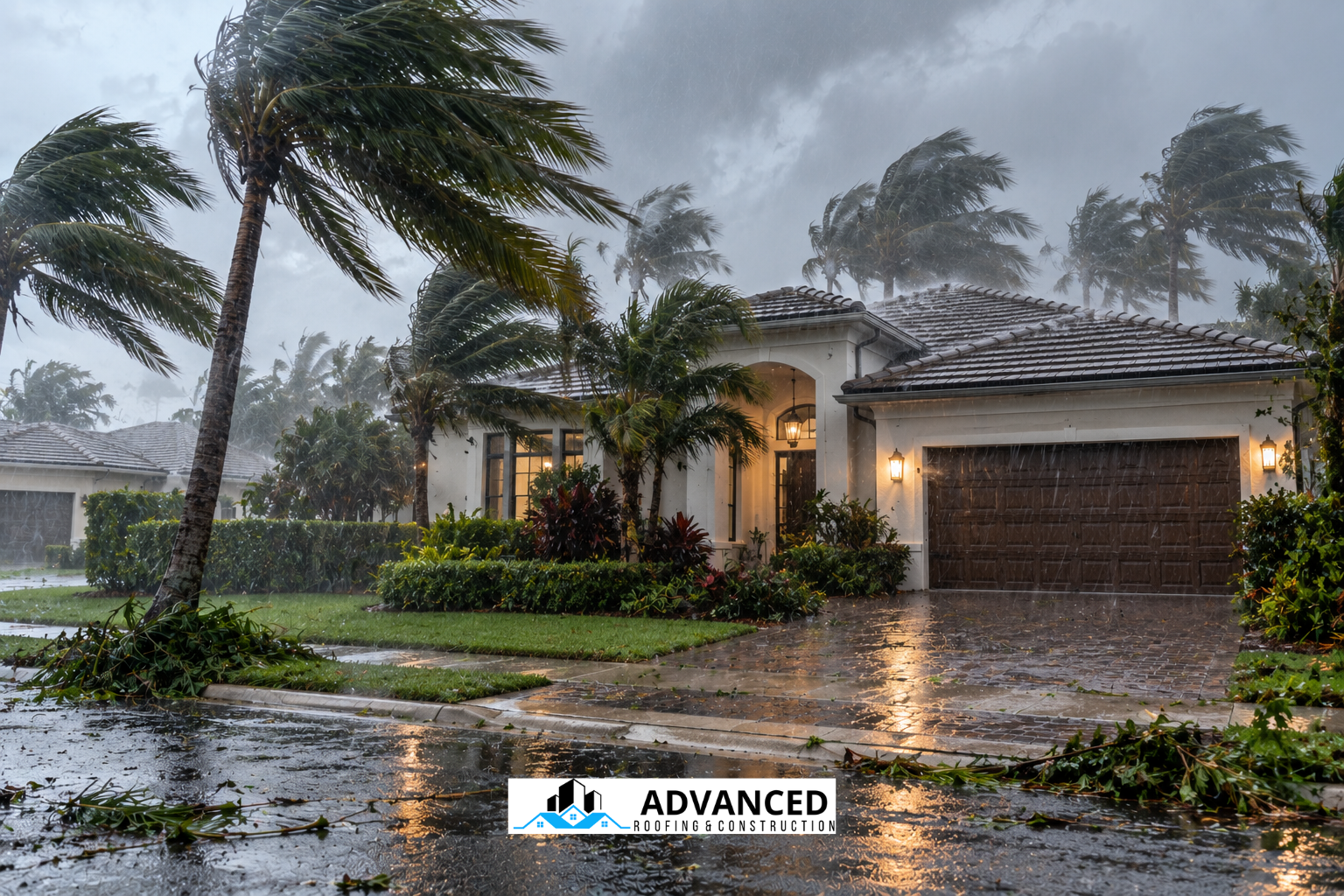
Heavy rain often comes with strong winds, pressure changes, and debris impact. This combo can lift flashing, overwhelm gutters, and push water under edges that usually stay dry. Even roofs that seem fine from the ground can develop leaks at valleys, ridges, and pipe boots after just one intense storm. Not sure if the issue needs immediate attention? A professional storm damage services visit can help you figure out whether the problem is minor or structural.
Age and maintenance history matter more than one storm
A single heavy rain often reveals existing issues rather than creating them from scratch. Roofs that have aged past their most reliable service period are more vulnerable to open seams, brittle sealants, and loose fasteners. The National Association of Home Builders notes that building components age at different rates, and roofing systems are no exception. This means a leak can result from gradual wear that finally reaches a tipping point during prolonged rain.
Common Causes of Roof Leaks Besides Shingles
Flashing failures around joints and roof penetrations
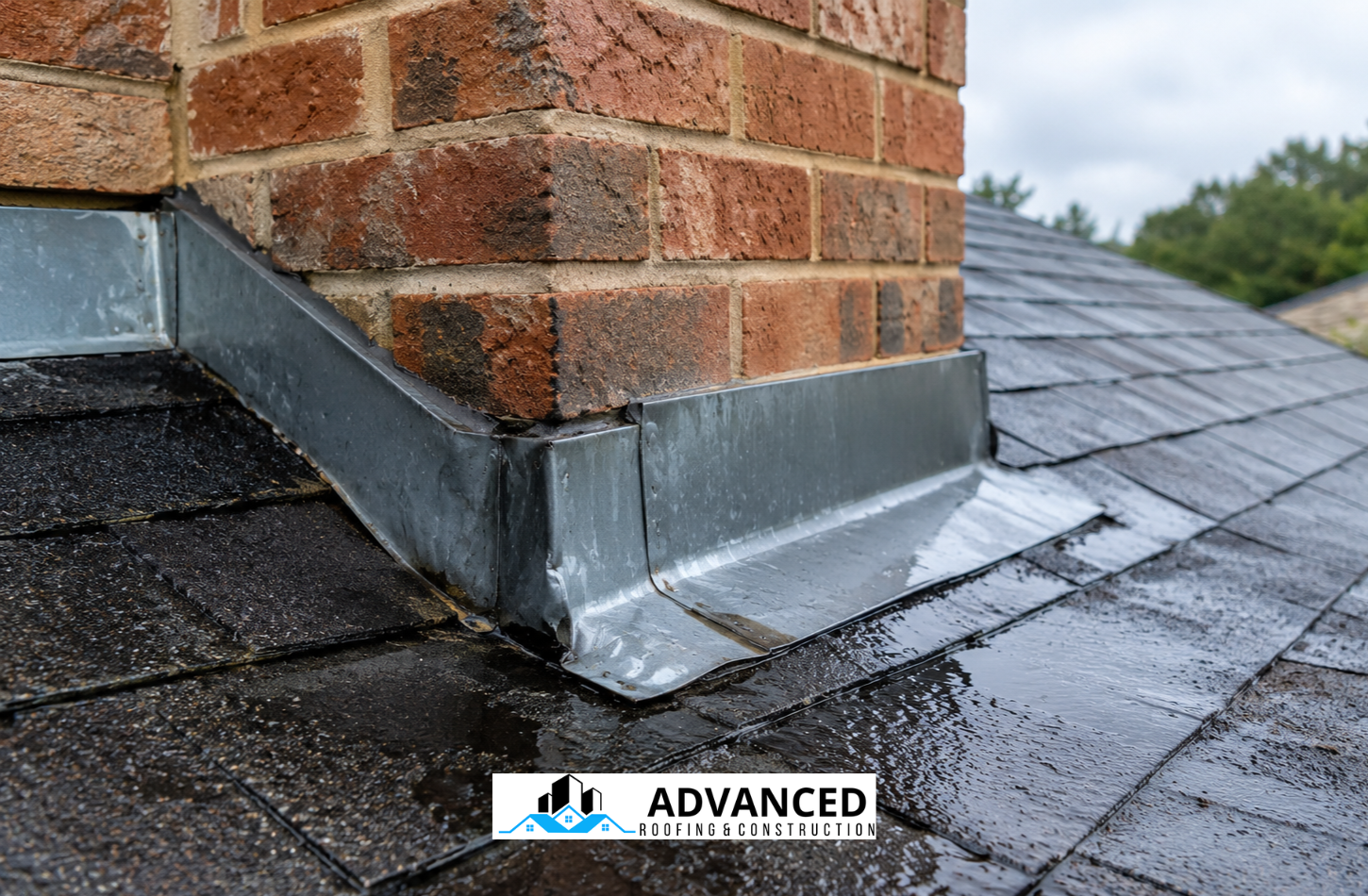
Flashing is one of the most common hidden leak sources because it protects transitions where different materials meet. Chimneys, skylights, vents, dormers, and wall intersections all depend on properly installed flashing to direct water away from vulnerable areas. If flashing loosens, rusts, or separates, rainwater can get underneath and move into the roof assembly. That's why professional roofers often inspect flashing first when a home leaks after storms.
Clogged or damaged gutters and downspouts
If gutters can't move water away from the roof quickly enough, runoff may back up under shingles or overflow into fascia and soffit areas. In South Florida, heavy rain can overwhelm a clogged drainage system in minutes. Keeping drainage clear is one of the simplest ways to prevent recurring moisture problems, and a properly planned gutter replacement can make a big difference in protecting both the roof and foundation. Good drainage isn't just a convenience; it's part of the roof system’s defense against water intrusion.
Underlayment damage beneath the outer roofing layer
Even when the visible roof covering seems intact, the underlayment below it may be failing. Underlayment acts as a secondary moisture barrier, so when it tears, ages, or separates, water can pass into the decking. This is especially important during wind-driven rain, because water can travel laterally under the outer layer and leak in unexpected places. If your roof has already faced multiple storms, the hidden layers might be more compromised than they appear.
Poor attic ventilation and trapped moisture
Many homeowners focus only on rain exposure and overlook the role of attic conditions. Heat and humidity can shorten the life of roofing materials, and trapped moisture can weaken wood and insulation over time. Proper attic ventilation helps reduce heat buildup, moisture stress, and the risk of premature material failure. The U.S. Department of Energy explains that ventilation supports healthier building performance, which is especially valuable in hot, humid climates.
How to Tell Where the Leak Is Really Coming From
Start with the interior symptoms
When a leak appears indoors, look carefully at the pattern of staining, bubbling paint, or damp insulation. The location of the ceiling spot can provide clues, but it doesn't always identify the exact entry point. A stain near a wall may indicate a flashing problem, while water near the center of a room could come from a vent, valley, or even a nearby roof slope. Note the timing of the leak, too, because leaks that show up only during heavy rain often point to wind-driven water intrusion.
Check the attic if it's safe to do so
An attic can reveal moisture trails, darkened wood, wet insulation, and daylight coming through roof gaps. If you inspect the attic shortly after rainfall, you may be able to track the wet path back toward the source. However, safety should always come first, especially if ceilings are soft, electrical components are wet, or structural wood looks weakened. If you notice anything concerning, call for professional help rather than climbing further into the space.
Examine roof transitions and drainage paths
Roof transitions deserve close attention because they're naturally vulnerable. Valleys, step flashing, plumbing stacks, skylight edges, and roof-to-wall intersections are all frequent leak points. Wind-driven rain can also exploit areas where sealant has cracked or debris is blocking flow. If your home has been through repeated storms, scheduling roof replacement might be the right long-term fix if the system has widespread aging rather than one isolated issue.
What Heavy Rain Reveals About Roof Weakness
Small defects become major entry points
A roof can handle minor imperfections in dry weather, but heavy rain changes the equation. Water volume increases, runoff moves faster, and wind pressure can force moisture into tiny gaps. A small lifted edge or loose nail hole might go unnoticed for months until a severe storm exposes it. This is why a leak after heavy rain should never be dismissed as random or temporary.
Backup pressure can push water uphill
Under intense rainfall, water doesn't always move in a simple downward path. It can pool in valleys, slow near low-slope areas, and move laterally under roofing materials. If a gutter is clogged or a section of roof has poor drainage, water can even appear to move "uphill" into spaces where it normally shouldn't go. That behavior often makes leak diagnosis more complicated than homeowners expect.
Wind changes the direction of intrusion
When rain is blown sideways, the most protected parts of the roof may suddenly become vulnerable. Vents, ridge caps, soffits, and flashing joints can all take on water in ways they're not designed to handle if materials are already aging. For a better understanding of post-storm warning signs, homeowners can also check out our related article on storm damage roof checklist for Davie homeowners. That kind of early awareness can make a big difference in limiting interior damage.
Signs the Leak Is More Serious Than It Looks
Repeated leaks in the same area
If a ceiling spot keeps coming back after every heavy rain, the issue is likely more than a temporary seal failure. Repeated leaks usually mean the water entry point remains active or that several roof components are contributing to the problem. In that situation, patching the visible damage may only delay a larger repair. A complete diagnostic approach is the best way to avoid paying for the same problem twice.
Soft spots, sagging, or warped materials
Any softness in the ceiling, visible sagging in drywall, or warped roof decking can signal more advanced water damage. Once moisture gets into wood or insulation, it can weaken support materials and create conditions for mold growth. The U.S. Environmental Protection Agency advises homeowners to address moisture problems quickly because prolonged dampness can lead to unhealthy indoor conditions. If you see structural changes, don't wait for the next storm to make it worse.
Musty smells and hidden moisture
Even when water isn't visible, a musty smell in the attic or upstairs rooms can suggest hidden dampness. Moisture trapped behind insulation or inside wall cavities may go unnoticed until odors, peeling paint, or mold stains appear. This is one reason leak investigations should include both the roof surface and the interior structure. The earlier the hidden moisture is found, the easier it usually is to correct.
What a Professional Roofing Inspection Can Reveal
Detailed evaluation of all vulnerable points
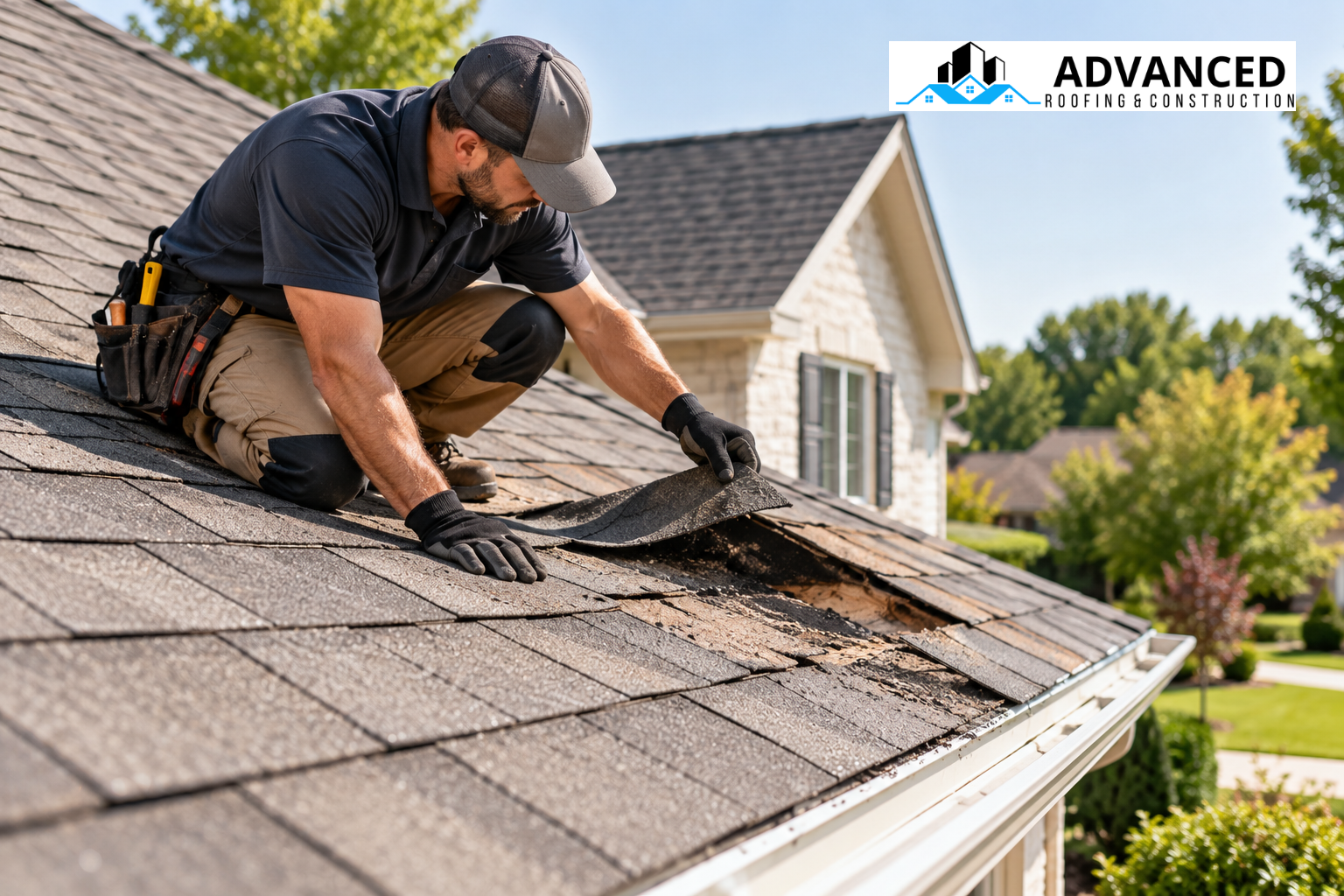
A professional inspection does more than look for missing shingles. It evaluates flashing, valleys, vent boots, ridge lines, gutters, underlayment, decking, and attic conditions. Technicians also look for storm uplift, nail pops, sealant failure, and age-related wear that may not be obvious from the ground. If your roof has already shown signs of trouble, a focused roof inspection can save time by pinpointing the real cause before repairs begin.
Distinguishing repairable damage from system failure
Sometimes the leak can be solved with a targeted repair. Other times, the roof has enough age, wear, or storm damage that replacing sections or the full system makes more financial sense. A knowledgeable roofer can help explain whether you're dealing with isolated damage or broader deterioration. If the roof is nearing the end of its life, a structured residential roofing plan may be the most cost-effective path forward.
Documentation for insurance or storm recovery
After major rainfall or wind events, detailed documentation can be valuable for insurance claims. Photos, notes, and inspection findings help show whether the damage came from a recent storm or from long-term wear. That distinction matters because insurers often evaluate claims differently depending on the cause. Homeowners who need a deeper look after a storm may benefit from our storm damage services, designed to support both assessment and next-step planning.
Practical Steps to Take Right After You Notice a Leak
Protect the interior first
If water is actively entering your home, move furniture, electronics, and valuables away from the area. Place a container under the drip and use towels to reduce the spread on floors and baseboards. If possible, slow the damage by identifying the source inside the house, but don't climb onto a wet roof during or immediately after a storm. Safety should always come before a temporary fix.
Document the damage carefully
Take photos of the ceiling stains, bubbling paint, wet insulation, and any obvious exterior damage you can safely see from the ground. Documentation helps create a timeline and may support insurance conversations later. Include the date of the storm and note whether the leak appeared during active rainfall or afterward. Those details can be useful when a roofer evaluates the problem.
Schedule a professional assessment quickly
The faster the roof is inspected, the less likely it is that hidden water damage will spread. A prompt visit can reveal whether the problem needs a repair, sealing, drainage correction, or broader replacement work. If the leak is part of a larger weather-related issue, our roof repair team can help stabilize the roof before more damage develops. Fast action often saves money in the long run.
How Homeowners Can Reduce Future Leak Risk
Keep drainage systems clear.
Gutters and downspouts should be cleaned regularly so water can move away from the structure without backing up. This is especially important before storm season and after nearby trees drop debris. Even a small blockage can cause water to overflow into areas where it was never meant to collect. Routine maintenance is one of the easiest ways to reduce repeated leak problems.
Inspect after major storms, not just at the first sign of dripping
Post-storm checks help catch issues before they become interior damage. Look for loose materials, displaced flashing, debris buildup, and interior stains after heavy rain. Homeowners in high-weather areas should treat roof checks as a regular part of property care, not an emergency-only response. For added peace of mind, consider pairing seasonal maintenance with a scheduled roof inspection.
Address attic heat and humidity
Because South Florida homes face both heat and moisture, attic conditions can play a major role in roof performance. Improving airflow can help roofing materials last longer and reduce the chance of trapped moisture problems. If your attic feels excessively hot or humid, ventilation improvements may be part of the solution. Good roof care isn't only about what's above the ceiling, but also about what's happening below the deck.
When It Makes Sense to Repair, Replace, or Rebuild
Repair works best for isolated damage
If the roof is relatively young and the leak comes from one identifiable point, repair may be the best option. This is often the case with a single flashing failure, localized sealant breakdown, or a small area of storm damage. The key is making sure the repair addresses the true source rather than only the visible symptom. A precise fix is always better than a quick patch that misses the root issue.
Replacement is smarter when the roof is aging.
When leaks keep returning or multiple components show wear, replacement may offer better long-term value. Older roofing systems are more likely to develop widespread issues after heavy rain, especially if they have already experienced years of sun, humidity, and storm exposure. If your roof is approaching that stage, our new roof installation or replacement options can provide a more durable solution designed for Florida weather.
Consulting a local expert helps avoid guesswork.
A local roofer understands the demands of heavy rain, wind, and humidity better than a generic handyman approach. Advanced Roofing & Construction serves homeowners who need honest answers, practical recommendations, and dependable workmanship. Whether the answer is a targeted fix or a full system update, working with a trusted roofing contractor helps you protect your home with confidence.
Frequently Asked Questions About Roof Leaks After Heavy Rain
Why does my roof only leak during heavy rain?
That usually means the roof has a weakness that only becomes active when water volume or wind pressure increases. Small flashing gaps, clogged drainage, or worn underlayment can stay hidden in light rain but fail under stronger conditions. The leak may not be new; heavy rain may simply be the first time it was strong enough to show itself.
Can a leak come from the roof even if the shingles look fine?
Yes. Many leaks happen at flashing, vents, valleys, gutters, or beneath the shingles in the underlayment and decking. Shingles are only one part of the system, so a roof can appear normal while still allowing water inside. This is why a full inspection is more useful than a quick visual glance.
Should I wait to see if the leak stops on its own?
No. Waiting can allow moisture to spread into insulation, drywall, framing, and electrical areas. Even if the leak seems small, repeated wetting can create much larger repair costs later. The best approach is to document the issue and arrange a professional assessment as soon as possible.
What if the leak happened after just one storm?
One storm is enough to expose a pre-existing weakness. In many cases, the weather didn't create the defect; it revealed it. A proper inspection will help determine whether the issue is isolated or part of broader roof aging.
Final Thoughts: The Leak Is a Warning, Not Just a Nuisance
A roof that leaks after heavy rain is sending you an important message. The problem may not be damaged shingles at all, but instead flashing failure, clogged drainage, underlayment wear, attic moisture, or a broader roofing system issue. The sooner you identify the true cause, the more likely you are to avoid repeated damage and unnecessary expense.
If your home has started leaking after a storm, don't rely on guesswork. Start with a careful inspection, protect your interior, and get professional help from a roofing team that understands how stormwater moves through a roof system. For homeowners who want dependable help, Advanced Roofing & Construction is ready to assist with leak diagnosis, repair planning, and long-lasting roofing solutions. Reach out today to schedule an evaluation and take the first step toward protecting your home before the next heavy rain arrives.