Does Your Roof Really Need Replacing? Sometimes a Professional Repair Is All It Takes
If your roof starts to show signs of age or damage, you might think you need a full replacement. But that’s not always the case. A thorough evaluation could reveal that a targeted repair, a few upgrades, or just better maintenance might do the trick, saving you both money and hassle. So, if you're weighing your options, understanding the difference between repair and replacement is a smart first step.
For those seeking a second opinion, a professional roof inspection is key. Often, the issue is localized rather than widespread. Problems like a leak around flashing, missing shingles after a storm, or worn sealant at a vent can usually be fixed without overhauling the entire roof. Trusted resources like the Federal Emergency Management Agency and the U.S. Department of Energy stress the importance of assessing damage carefully before jumping into costly projects.
At Advanced Roofing & Construction, our aim is to help homeowners make informed decisions, not to push the priciest projects. In this guide, you'll learn how to decide whether you need a repair or a replacement, which warning signs to watch for, and how to avoid spending more than necessary when a simple fix will do.
Why a Roof Does Not Always Need Full Replacement
Localized Damage Can Be Fixed
Many roofing issues affect just one part of the system. A few missing shingles or a small leak near a chimney might look worrying, but they could just need focused repair. If the structure is sound and the materials around the damage are in good shape, patching up the problem area could be the way to go.
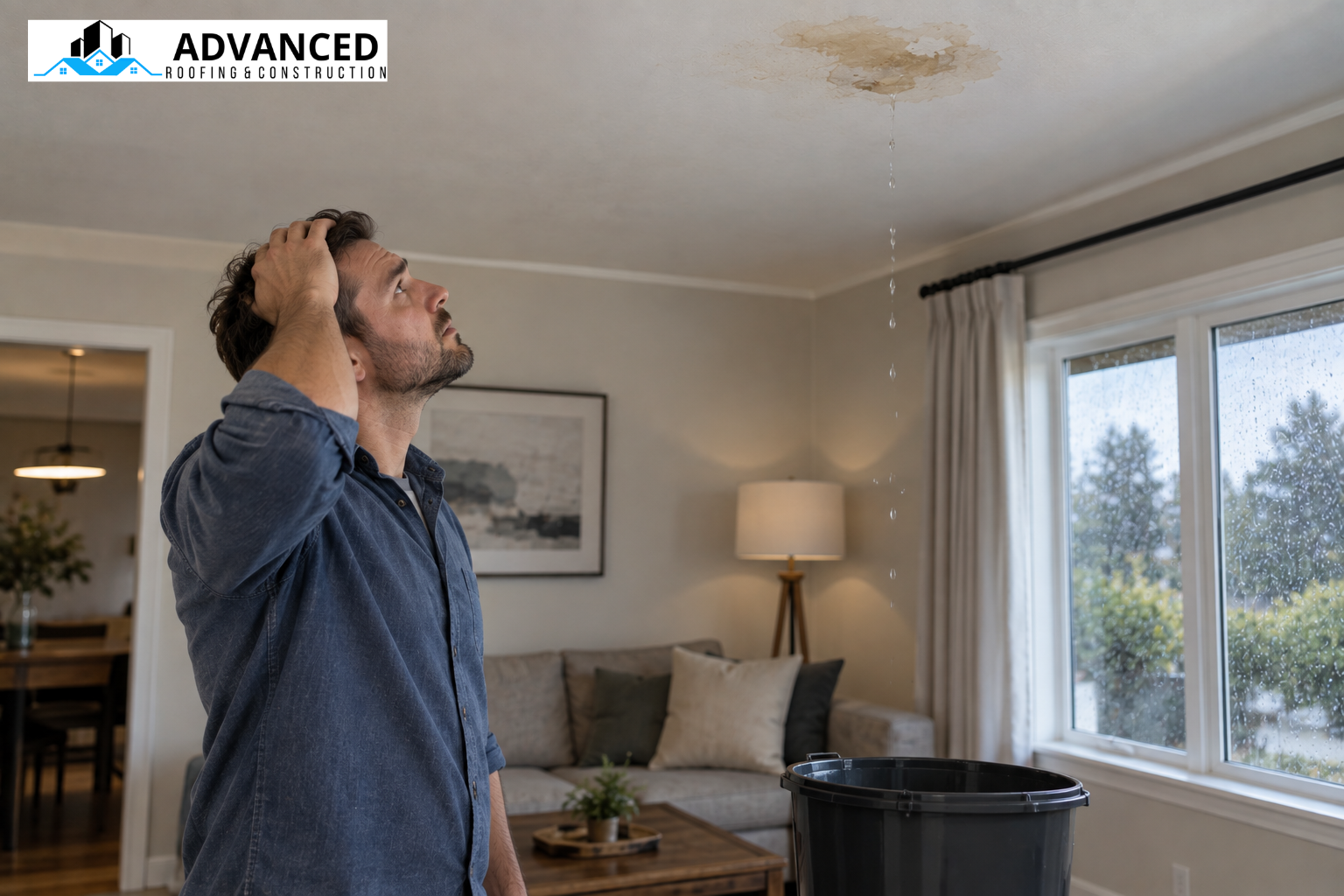
This is why a professional evaluation is crucial. You might see stains on your ceiling and think the whole roof is failing, but water often travels before you see it indoors. A skilled contractor can trace the source, figure out how bad it is, and suggest the least disruptive fix. Often, that means keeping your existing roof and extending its life.
Condition Matters More Than Age
The age of your roof is a handy reference, but it shouldn’t be the only factor. A 12-year-old roof with some storm damage might be in better condition than a 7-year-old roof that was poorly installed or neglected. Factors like material quality, installation workmanship, ventilation, and maintenance history all play a role in how long your roof will last.
For instance, a home with proper attic ventilation and timely roof repairs can often avoid major issues. In contrast, a roof with poor ventilation and repeated small leaks may deteriorate faster. That's why experienced contractors look at the whole system, not just the roof's age.
Weather Events Can Be Deceptive
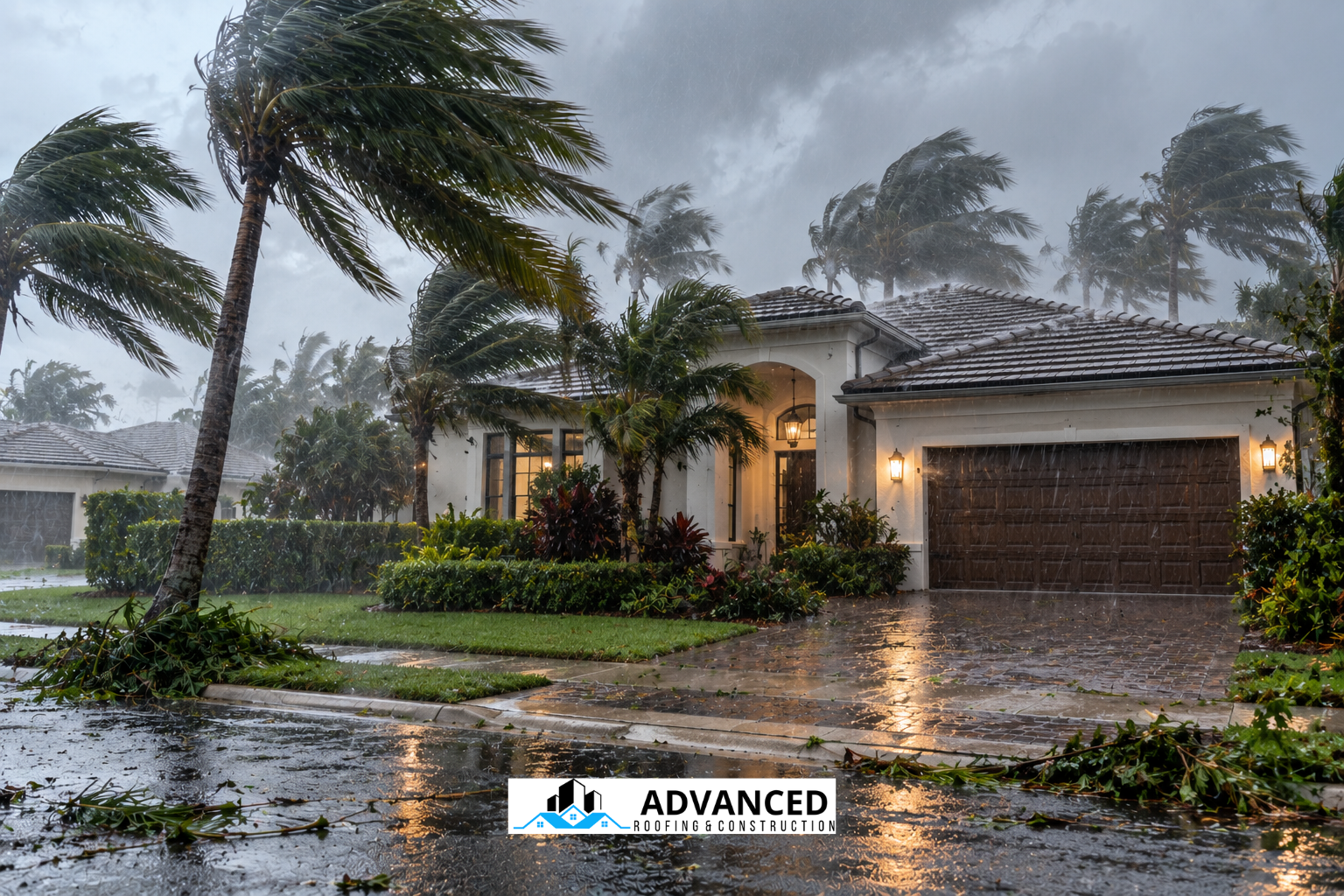
South Florida’s weather can be tricky. Heavy rain, wind, and debris might cause visible surface issues without damaging the whole roof. After a storm, homeowners sometimes rush into replacement before knowing the extent of the damage. Yet, many storm-related problems are narrow enough to fix with targeted restoration.
If your roof recently faced harsh weather, a trained team providing storm damage services can help you figure out if the structure is still solid. This is particularly useful after strong wind or hail, when damage can be subtle but not necessarily widespread.
Signs That Repair May Be Enough
Small Leaks and Isolated Stains
A single leak doesn’t automatically mean your roof is on its last legs. If the leak is localized and surrounding materials are still intact, a repair might solve the problem. Common causes include cracked flashing, loose shingles, or worn sealant around roof penetrations.
Interior stains, bubbling paint, and damp insulation should be checked out, but they don’t confirm that a replacement is needed. A professional can perform moisture tracing and attic evaluation to find the source. If the damage is limited, a repair might stop the leak and protect the rest of your home from future issues.
Missing or Damaged Shingles in One Area
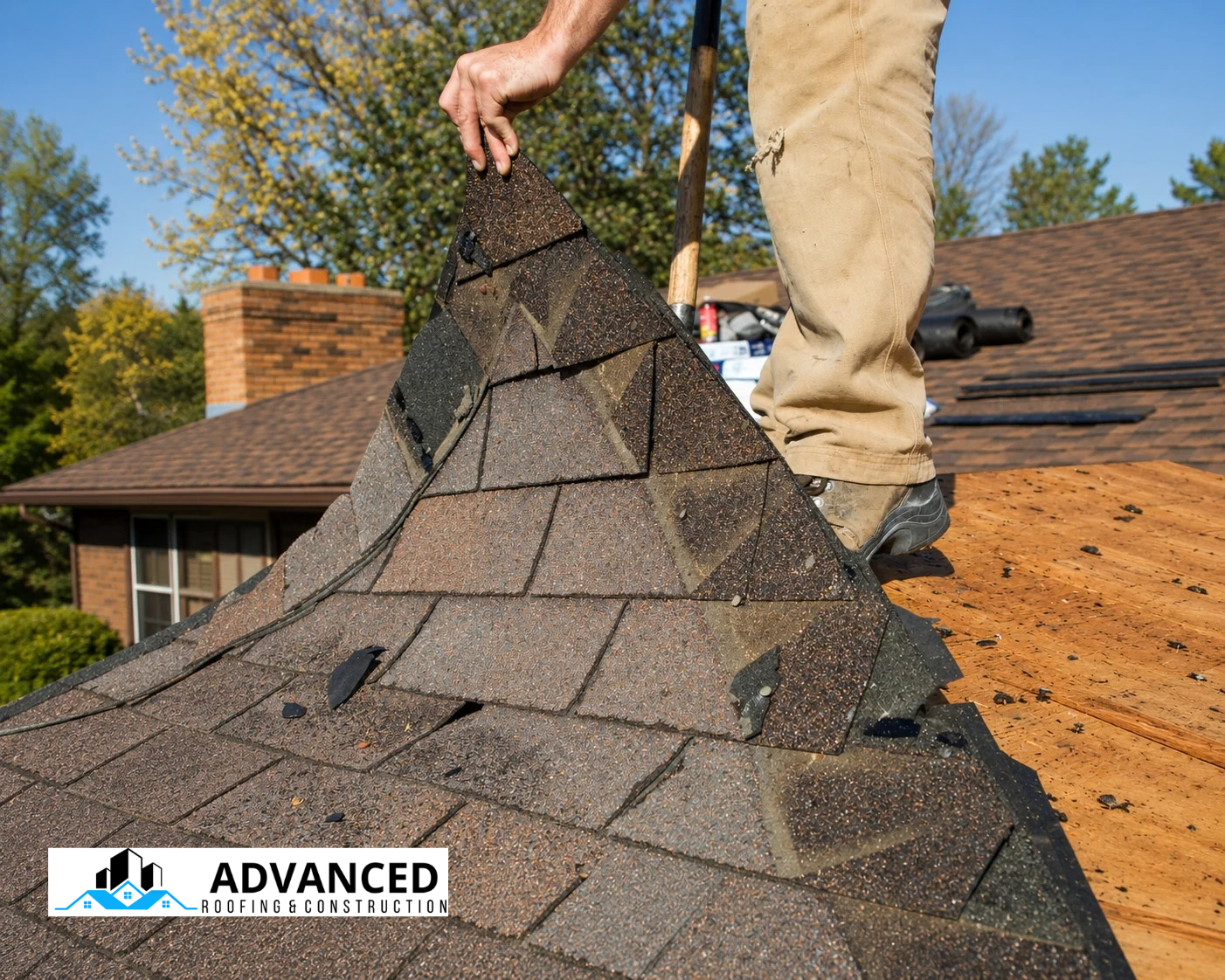
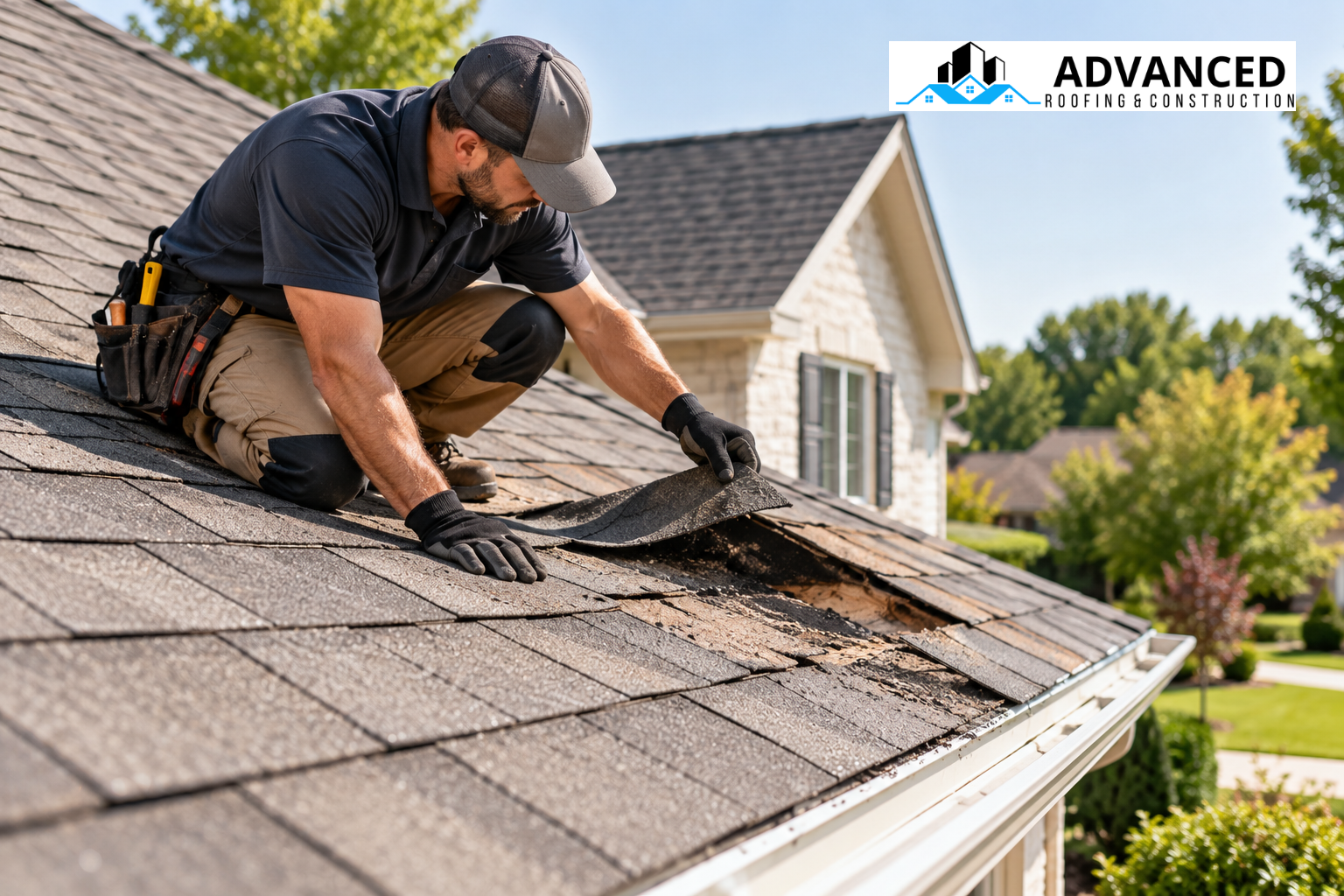
Shingle damage is common after storms and high winds. If only a section of shingles is missing, curled, or cracked, a repair is often the most practical solution. Replacing the affected materials and sealing around them can restore the roof’s weather resistance without replacing the entire system.
For more on spotting these problems early, check out our guide on missing or damaged shingles. Catching these issues early is one of the best ways to avoid bigger and costlier repairs later.
Flashing Failures Around Penetrations
Flashing is a common failure point on a roof, especially around chimneys, skylights, vents, and wall intersections. Because it’s exposed to constant temperature changes and water runoff, flashing can loosen or wear out before the rest of the roof. Fortunately, flashing problems are usually repairable.
A well-done repair can stop water from getting in and protect the surrounding roofing materials. In many cases, replacing flashing is far less expensive than removing the whole roof. This is a good example of why a detailed inspection is more useful than just a quick look.
Warning Signs That Replacement May Be the Better Choice
Widespread Granule Loss and Brittle Materials
When roofing materials become dry, brittle, and heavily worn, repairs may no longer be a reliable long-term fix. Granule loss on shingles, repeated cracking, and surface deterioration can indicate that the roof is nearing the end of its service life. At this point, patching one area might only delay the inevitable.
Watch what happens after a repair. If you fix one leak and another pops up soon after in a different section, your roof might be too worn out to handle the weather. A replacement could be more economical than repeated service calls and temporary fixes.
Structural or Decking Issues
Sometimes the problem goes deeper than the outer roofing material. If the roof deck is soft, rotted, sagging, or otherwise compromised, repairs might not be enough. Structural damage can spread and cause safety concerns, especially if moisture has been entering the system for a while.
In these cases, a replacement allows the contractor to address hidden issues properly. This might include replacing damaged decking, fixing ventilation problems, and rebuilding the roof system to current standards. When structural concerns are present, replacing the roof might protect your home better than making temporary repairs.
Multiple Failing Areas at Once
If a roof has several problem areas—leaks in different rooms, repeated shingle loss, failing flashing, and visible aging across large sections—it might be more sensible to replace it. A roof with multiple active problems can become a cycle of repairs that never fully solve the underlying deterioration.
Homeowners can get a better sense of the situation by scheduling a full roof inspection. This evaluation can show whether the roof is still a good candidate for repair or if a complete system replacement will offer better value over time.
How a Professional Roof Inspection Helps You Decide
What Inspectors Look For
A detailed roof inspection does more than identify obvious damage. It checks shingle condition, flashing integrity, vent seals, underlayment concerns, attic moisture, ventilation balance, and signs of past repairs. It also helps determine whether damage is isolated or part of a wider failure pattern.
Professional inspectors use their experience to interpret what they see. For example, one lifted shingle might be a simple fix, while repeated lifting across multiple sections could reveal wind vulnerability or poor installation. That difference can drastically change whether repair or replacement is recommended.
Why Attic Evaluation Matters
The attic often tells the story that the roof surface cannot. Heat buildup, moisture staining, mildew, and poor airflow can all reduce roof performance and shorten material life. If the attic isn’t properly ventilated, a roof might age faster than expected even if it looks okay from the outside.
That’s why services like attic ventilation can be just as important as the roof covering itself. Improving airflow may help stabilize temperatures, reduce moisture-related damage, and extend the roof's life. According to the Environmental Protection Agency, ventilation plays a major role in maintaining healthier indoor conditions and reducing moisture problems.
Getting a Repair Plan Instead of a Replacement Estimate
Not every contractor takes the same approach. Some companies push for replacement even when a targeted fix would be enough. A trustworthy contractor will explain your options clearly, show you what they found, and help you weigh short-term savings against long-term performance. This kind of communication is especially valuable when you're trying to avoid unnecessary costs.
If you need a second opinion, Advanced Roofing & Construction can help you compare options based on the roof's actual condition. This approach saves time, reduces uncertainty, and helps you choose the solution that makes the most sense for your home.
Repair vs. Replacement: Cost and Value
Short-Term Savings vs. Long-Term Stability
Repair is usually less expensive upfront, which appeals to homeowners who want to avoid a major project. But the best choice isn’t always the cheapest one today. The real question is whether the repair will provide reliable protection for the next several years, or if the roof is likely to need more work soon.
A replacement costs more initially, but it might offer better value if the roof is already failing in multiple areas. The smartest decision often depends on how much life remains in the current system, how well it’s performing, and how many more repairs it’s likely to need. A good contractor should help you evaluate both scenarios honestly.
Insurance and Storm-Related Damage
When storm damage is involved, insurance considerations can also affect the decision. Some claims cover repairs if the damage is limited, while others may support replacement if the system is extensively compromised. Documenting the damage with photos and a professional assessment can make a big difference in the claims process.
Homeowners should remember that insurers often want evidence of sudden damage, not just gradual wear. This is another reason to document everything carefully after a storm and contact a qualified contractor quickly. A prompt inspection can help preserve your options and reduce the risk of further deterioration.
Comparing Life-Cycle Value
To decide between repair and replacement, it helps to look at the whole life cycle of the roof. If a repair will buy you several more years of reliable protection, it may be the most practical decision. If the roof is already near the end of its lifespan and repair would only postpone a bigger expense, replacement may be the stronger long-term investment.
That’s why experienced roofing professionals think in terms of performance, not just price. They consider how the roof will handle future storms, heat, and rainfall, not just how it looks today. This broader view often leads to better outcomes for homeowners.
What Homeowners Can Do Before Calling a Roofer
Look for Visible Warning Signs
Before you call for service, you can safely note a few visible clues from the ground. Look for missing shingles, sagging areas, debris buildup, overflowing gutters, rust around flashing, and signs of water inside the home. These details help a contractor understand the situation before the inspection even begins.
Avoid climbing onto the roof yourself. Walking on damaged roofing materials can create more problems and be dangerous. A ground-level observation combined with a professional inspection is the safest and most effective approach.
Document Storm Damage and Leaks
If a recent storm may have contributed to the issue, take photos of any visible damage, stains, or fallen debris. Record the date and note whether the problem appeared immediately or after multiple weather events. This information can help a roofer determine the likely cause and support any insurance-related documentation if needed.
For more guidance on spotting issues after severe weather, our storm damage roof signs article walks through the most important areas to inspect. The more organized your information is, the easier it becomes to make an informed decision.
Ask the Right Questions
When speaking with a roofing contractor, ask whether the damage is isolated or widespread, whether the roof still has usable life left, and whether repairs will be durable or temporary. Ask what would make replacement the better option and what signs point toward repair. Clear questions usually lead to clearer recommendations.
Also, ask about materials, warranties, and expected lifespan after the work is completed. A trustworthy contractor should be able to explain the reasoning behind the recommendation, not just the price.
Common Scenarios Where Repair Wins
Post-Storm Patching
After a storm, homeowners often discover a handful of broken shingles, a lifted ridge cap, or a damaged vent seal. If the roof is otherwise sound, these issues can usually be repaired without replacing the entire system. Fast action matters because even small openings can allow water to spread into insulation and framing.
In this kind of situation, a repair isn’t a compromise. It’s a practical solution that restores protection and prevents the issue from growing. Acting early can also reduce the chance of a much larger bill later.
Pre-Sale Home Preparation
Sometimes homeowners think they need a replacement before selling, but that isn’t always true. If an inspection reveals only minor defects, making a few targeted repairs can improve buyer confidence and support a smoother sale. A clean, well-maintained roof often matters more to buyers than a brand-new one if the existing system is still performing well.
That said, transparency is key. If you’re selling a home, it’s better to understand the roof’s true condition than to guess. A repair might be the right answer, but only after the inspection confirms it.
Routine Maintenance Issues
Small maintenance problems, such as failed sealant, a cracked pipe boot, or a loose ridge shingle, are often ideal repair candidates. These issues are common, relatively inexpensive to fix, and easy to overlook until they create a leak. Catching them early can preserve the roof for years.
Routine care, combined with timely repairs, is one of the best ways to protect a home in a demanding climate. It’s also a reminder that roof care isn’t just about emergency response; it’s about long-term stewardship.
When Replacement Is the Smarter Investment
Repeated Repairs Become a Pattern
If you’re constantly fixing new problems every season, your roof might be telling you it’s ready to retire. Repeated repairs can add up quickly, and they often indicate broader deterioration that patching can’t fully solve. At that point, a new system might provide more dependable performance and fewer surprises.
It can be helpful to look at your repair history over the past few years. If the same roof has required multiple visits for different issues, the accumulated cost might be close to replacement anyway. A fresh start can bring better protection and fewer recurring concerns.
Storm-Damaged Systems with Widespread Compromise
Severe wind or impact damage can affect large sections of a roof at once. When materials are torn, loosened, or compromised across broad areas, a repair might not restore consistent weather resistance. A replacement can address both visible and hidden damage in one comprehensive project.
For roofs that have suffered major weather events, full-service roof replacement might be the safer, more durable option. It allows the entire system to be rebuilt with modern materials and current installation standards.
Planning for Future Performance
Replacement is also worth considering when you want to improve the roof system as a whole. A new roof can provide an opportunity to fix ventilation problems, upgrade drainage, and strengthen weather resistance. That’s especially helpful in areas where heat, rain, and storms put constant stress on roofing materials.
In some cases, homeowners aren’t just replacing a worn-out roof; they’re upgrading their home’s protection strategy. That broader perspective can make a replacement a wise investment rather than just a necessary expense.
Frequently Asked Questions About Roof Repair and Replacement
How Do I Know if a Leak Means Replacement?
Not every leak means the roof must be replaced. If the leak is tied to one damaged area, such as flashing or a small section of shingles, repair might be enough. If leaks are recurring, widespread, or connected to advanced wear, replacement might be the better long-term solution.
Can a Repaired Roof Last for Years?
Yes, a quality repair can last for years when the surrounding roof is still in good condition. The key is making sure the underlying issue is correctly identified and fixed, not just covered over. A skilled contractor will focus on solving the cause, not just the symptom.
Should I Replace My Roof After One Storm?
Not necessarily. Many storm-related problems are isolated and can be repaired. A replacement becomes more likely when damage is extensive, materials are aging, or the roof has already been showing signs of decline before the storm.
What Is the Best First Step?
The best first step is a professional inspection. That gives you a realistic picture of the roof’s condition and helps you avoid making a decision based on guesswork. From there, you can compare repair and replacement options with confidence.
Make the Right Choice for Your Home
Deciding between roof repair and replacement doesn’t have to be overwhelming. It depends on the age of the roof, the extent of the damage, the condition of the decking and ventilation, and your long-term goals as a homeowner. In many situations, repair is the smarter and more affordable option, especially when the damage is localized and the rest of the roof is still performing well.
That’s why it pays to work with a contractor who values honesty and careful evaluation. Advanced Roofing & Construction provides roof repair, inspections, storm restoration, and complete residential roofing solutions designed to protect your home without unnecessary upselling. If you’re unsure what your roof needs, a professional assessment can give you the clarity you need to move forward confidently. Contact our team for a free on-site estimate and get the right solution for your home today.