Building a Stronger Roof: The Power of Proper Decking
Your roof's strength comes from what lies beneath it. Sure, shingles and tiles catch the eye, but it's the roof decking that holds everything together. If this foundation is weak, even the best materials on top won't last long. Homeowners aiming for lasting protection need to know how decking works and why it matters.
For those weighing their roof care options, starting with a thorough roof inspection is smart. A detailed look can spot hidden issues in the decking before they turn into leaks, mold, or costly repairs. If there's already damage, professional roof repair can fix small issues before they get worse. In this guide, we'll cover what decking does, how it can fail, and what to expect if repairs or replacements are needed.
Roof performance is crucial, especially in storm-heavy areas where weather can quickly wear down materials. In places like Florida, the decking does more than just hold shingles. It must resist moisture, stay steady in winds, and provide a solid base for the entire roof. Understanding this foundation helps homeowners make better maintenance and repair choices.
What Does Roof Decking Do?
The Hidden Structural Base
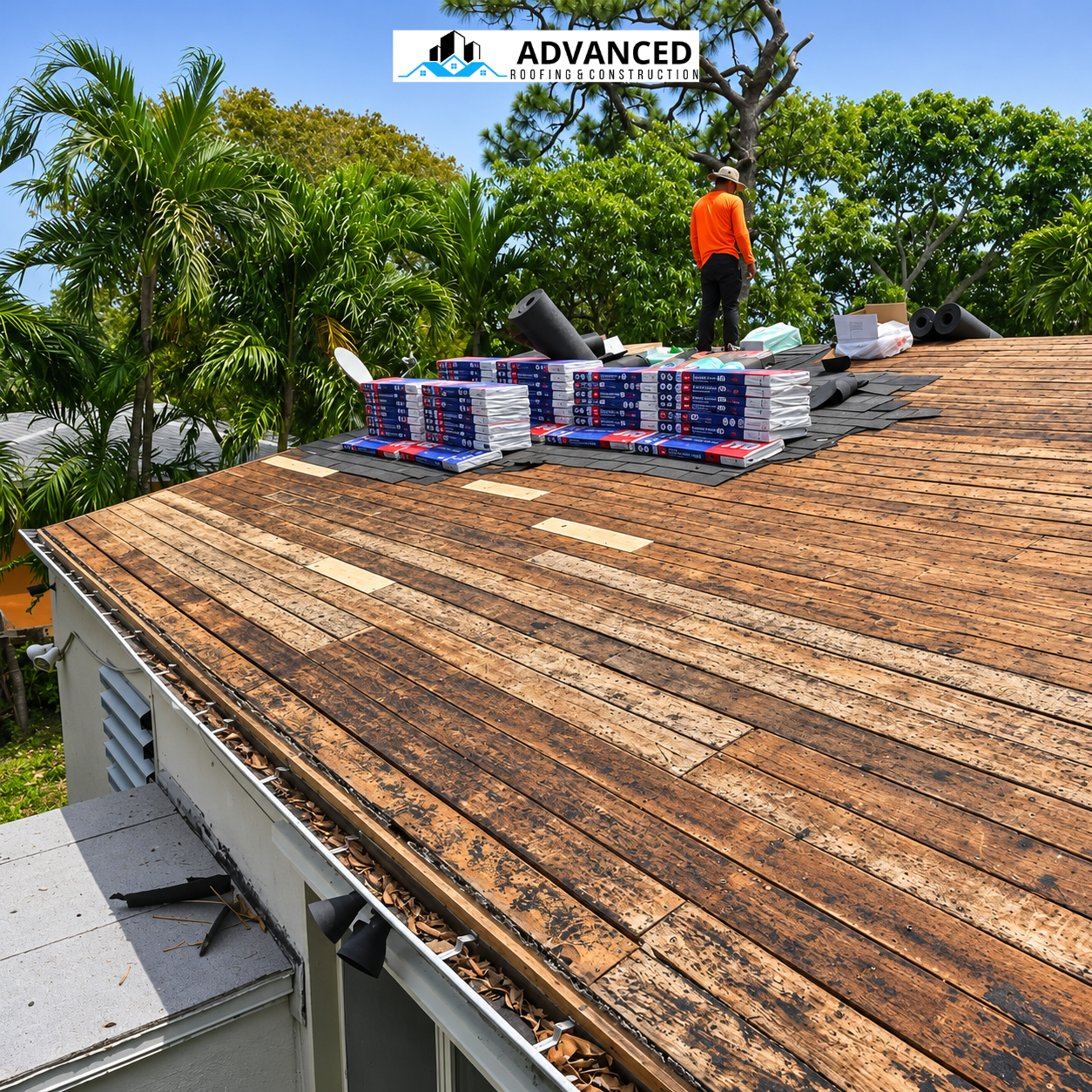
Roof decking, or sheathing, is the flat material laid over the rafters or trusses. It’s the surface where underlayment, flashing, and roofing materials attach. Without it, there’s no continuous platform to spread weight and resist external forces. Think of it as the backbone of your roof.
Most homes use plywood or oriented strand board, though older ones might have plank decking. The material choice is important, but so is the wood's condition. A deck weakened by water, heat, or age can compromise the whole roof. That’s why roofers inspect this layer carefully during major projects and after storms.
Impact on the Entire Roofing System
A solid roof deck keeps shingles aligned, supports fasteners, and provides a smooth surface for waterproof layers. Weak spots in the decking can prevent proper sealing, leading to lifted shingles, water leaks, or premature wear. The new roof installation process relies on a sound deck since even the best materials won't perform well on damaged wood.
According to the U.S. Department of Energy, components like the building envelope are crucial for energy efficiency and moisture control, which affect roof longevity. You can dive deeper into home performance with Energy Saver guidance from the U.S. Department of Energy. Roof decking plays a key role in keeping the roof stable, dry, and ready for the layers above.
Common Decking Problems Homeowners Face
Water Damage and Rot
Moisture is a major threat to roof decking. A slow leak from flashing, a cracked shingle, or overflowing gutters can gradually soak the wood. Once moisture hits the deck, the wood might swell, weaken, or start rotting. Often, this damage is hidden until a roofer removes the roof's outer layers.
Rotting decking feels soft, darkens in color, or crumbles at the edges. These signs might not be obvious from inside, which is why relying on interior stains isn't enough. If your roof's been exposed to repeated leaks or storms, getting a professional inspection is the safest way to assess the damage.
Delamination and Weakened Panels
Modern plywood and OSB decking can separate or delaminate when repeatedly exposed to moisture. This means the layers start to pull apart, reducing the panel’s strength. When this happens, the deck might not hold nails securely or support heavy roofing materials. Even a small area of delamination can spread into a larger issue over time.
If you have an older roof, watch for signs like sagging rooflines, soft areas, or nails popping up. These symptoms don’t always mean the entire roof needs replacement, but they do signal the need for attention. A well-documented roof inspection can determine if the problem is isolated or more widespread.
Poor Installation or Aging Materials
Sometimes the problem isn't weather damage but poor initial installation. Decking panels spaced incorrectly, fastened poorly, or made of inadequate thickness can cause long-term issues. Likewise, older homes might have decking that was fine decades ago but doesn't meet modern standards.
If you're planning a reroof, a technician might suggest replacing decking sections even if the roof looks okay from the outside. This isn't an upsell; it's often necessary to create a durable foundation for the new system. When the deck is upgraded properly, the finished roof has a much better shot at lasting as intended.
How Decking Problems Show Up
Visible Signs Outside
You might notice some signs from the ground if you know what to look for. An uneven roofline might signal weakened decking or structural movement. Shingles that curl, buckle, or don’t sit flat can also indicate a substrate issue. In severe cases, you might see dips or waves on the roof.
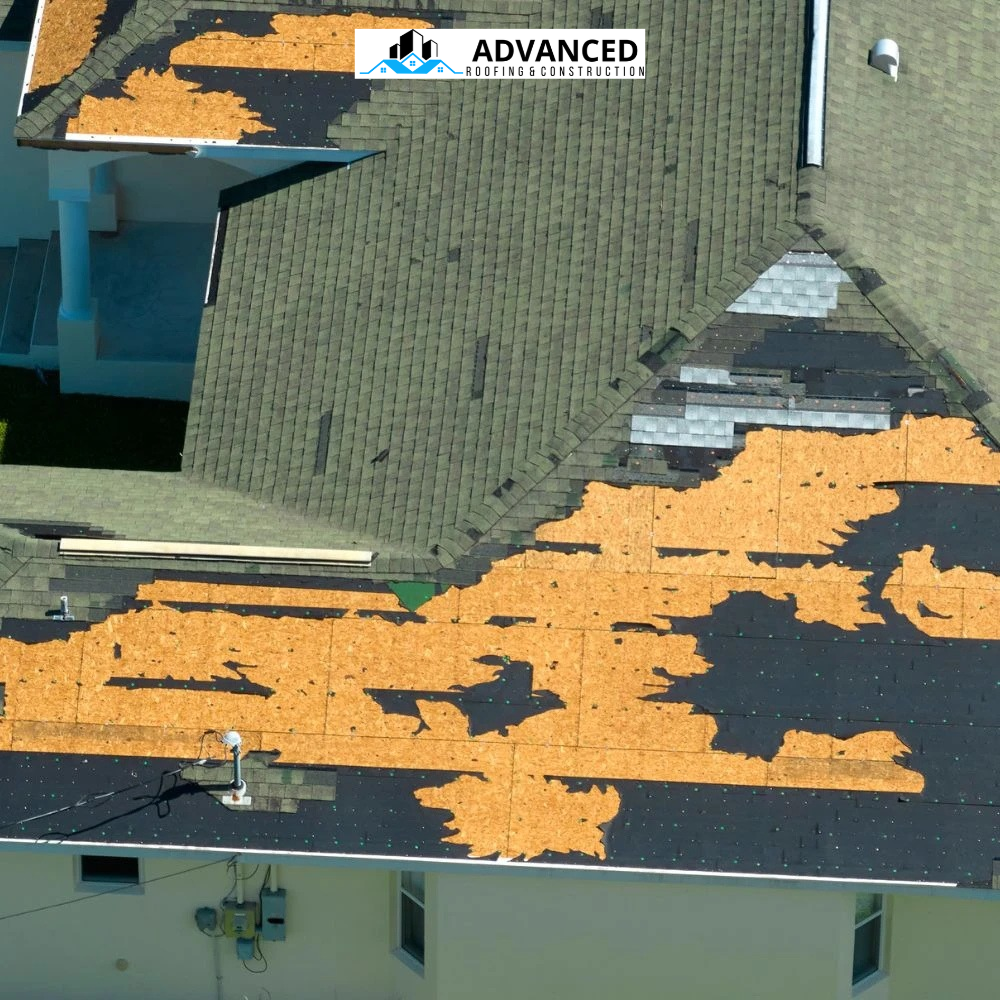
After storms, check for missing shingles, loose flashing, and exposed underlayment. The storm damage services offered by roofers are valuable since storms often create hidden weak spots. If the deck is compromised, catching it early can control repair costs.
Signs Inside the Attic or Ceiling
Inside, warning signs include musty odors, water stains, damp insulation, or daylight visible through attic boards. These suggest water is reaching the decking or that upper layers aren't watertight. In humid areas, even small moisture issues can quickly escalate, encouraging mold and wood decay.
The National Roofing Contractors Association emphasizes evaluating roof systems as a complete assembly, not just surface materials. This perspective is crucial since interior symptoms often point to deeper issues. If attic conditions are unusually hot or humid, the roof might benefit from a review of attic ventilation, as heat buildup can shorten the life of both decking and roofing materials.
Why Decking Matters in Florida's Weather
Heat, Humidity, and Moisture
Florida roofs face unique challenges. High temperatures cause materials to expand and contract, while humidity prevents wood from drying quickly after rain. This mix can lead to deck deterioration if there's a leak. Over time, repeated heat and moisture exposure can weaken what seemed like a perfectly fine structure.
In this climate, ventilation and drainage are critical. A well-built roof system should move heat out of the attic, direct water away, and protect the deck from moisture exposure. For homeowners in South Florida, roof maintenance isn't occasional; it's part of routine home care.
Storm Resilience and Structural Confidence
Strong decking helps a roof resist high winds and flying debris. Properly fastened and in good condition, the roof is less likely to suffer during severe weather. This doesn't make a roof storm-proof, but it does improve its performance when the weather turns unpredictable.
Weather data from the National Weather Service shows how quickly storms can intensify and move through a region. Homeowners can check out storm preparedness resources at weather.gov to understand why a sturdy roofing system is essential. While the deck isn't usually visible, it plays a big role in keeping your home safe when weather gets rough.
Fixing Roof Decking: What to Expect
Assessment and Tear-Off
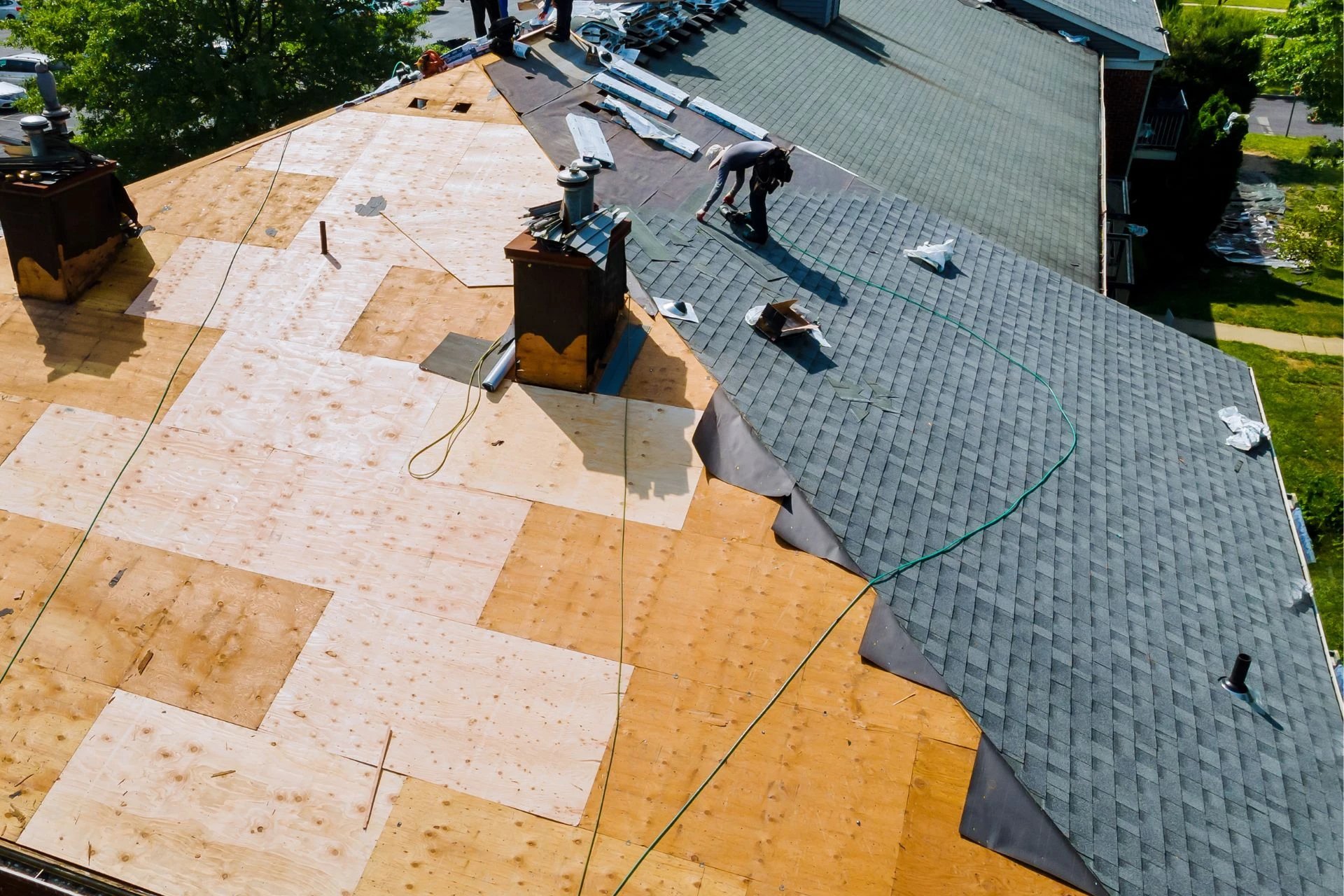
Before repairs start, roofers usually remove shingles or other materials to expose the decking. This lets them see the wood's true condition rather than guessing from the outside. Sometimes only a few boards need replacement; other times, large sections may need rebuilding.
During this step, you might discover that visible roof problems were part of a bigger issue. That's why a detailed inspection is important before making cost or scope assumptions. If more extensive damage is found, a roof replacement might be more practical, especially if the roof is nearing its end.
Replacing Damaged Panels or Boards
Damaged decking is usually removed in sections and replaced with new material of the right thickness. The new boards must fit the structure and be securely attached so the rest of the roofing system can sit on a stable base. Proper spacing, fastening, and alignment help ensure the roof distributes stress evenly.
In older homes, plank decking might need extra attention to align with modern roofing methods. A qualified contractor will know whether partial replacement is enough or if broader structural repair is needed. Experienced local roofers are valuable because they know the materials and climate pressures affecting homes in the area.
Moisture Control and Rebuilding
Replacing the decking is just one part of the process. After the new base is set, roofers should address underlayment, flashing, ventilation, and drainage to avoid recurring issues. If water reached the decking, the rest of the system should be checked for hidden damage.
This holistic approach is especially important when weather damage is involved. Roof structures are interconnected, and one weak point can affect several components. Choosing a contractor who understands these relationships helps avoid repeat repairs and ensures better long-term value from the work.
When to Repair and When to Replace Roof Decking
When Spot Repairs Make Sense
Spot repairs work when damage is limited to a small area and the rest of the deck is strong. A localized leak near a vent pipe might only need a few panels replaced. If caught early and no widespread rot is present, targeted repair can restore the roof effectively.
Storm damage affecting only part of the roof is another case. Here, the contractor can repair the damaged area while preserving the rest. This is usually cheaper than a full replacement, provided the remaining materials are in good shape.
When Replacement is the Smarter Choice
Replacement is often recommended for widespread water damage, sagging, soft spots, or repeated failures. If the roof is old, patching isolated areas may not provide long-term value because more sections might fail soon. A roof that needs frequent patches can become costlier over time than a planned replacement.
Consider if your current roof is ready for a fresh start. A properly planned roof replacement allows contractors to rebuild from the decking up, fixing hidden issues that might otherwise stay buried. This is often the best way to ensure your home gets durable protection for years.
How Proper Decking Boosts Energy Efficiency and Comfort
Reducing Heat Transfer and Attic Stress
Roof decking doesn't insulate by itself, but it supports layers that manage temperature and moisture. When the deck is solid and the attic ventilated right, the entire roof system performs better. This means less heat buildup, less strain on materials, and a more comfortable home.
In warm climates, attic heat can become extreme if the roof system's poorly designed. High temperatures can age shingles faster and make the wood deck more prone to drying and warping. That's why roofers often talk about airflow, insulation, and ventilation together.
Helping the Roof Last Longer
A healthy deck gives shingles and underlayment a steady base, reducing premature wear. When the roof doesn't flex too much or trap moisture, materials last closer to their intended life. In short, roof decking influences durability even though it's mostly hidden.
To get long-term performance, think beyond surface appearance. A roof can look great but still have hidden weaknesses. Investing in the deck is investing in the roof’s future, because the strongest visible materials can't outperform a weak foundation.
Choosing the Right Contractor for Decking Work
What to Look for in a Roofer
Decking work needs more than basic shingle skills. You'll want a contractor who spots structural issues, explains repair options clearly, and documents what they find under the surface. Good communication matters so you know why a repair's needed and what benefits it brings.
Look for a company offering inspections, estimates, and service options tailored to the problem. Homeowners needing reliable help might also check related services like residential roofing for broader system care. The right contractor guides you through repairs, replacements, and preventative maintenance without pressure.
Why Local Experience Matters
Local experience is key because roof problems often tie to climate, building styles, and weather patterns. A roofer who regularly works in South Florida knows how humidity, storms, and heat affect decking over time. This insight leads to more accurate recommendations and better planning.
Advanced Roofing & Construction focuses on practical solutions that protect homes with solid workmanship and clear communication. If a deck issue's found during a project, the team can help decide whether targeted repair, complete replacement, or a tailored service plan is best.
FAQs About Roof Decking
How Long Does Roof Decking Last?
Lifespan depends on material, weather exposure, ventilation, and leak history. In a well-maintained roof, decking can last decades. But moisture, storms, and heat can shorten this significantly. This is why regular inspections are so valuable.
Can New Shingles Be Installed Over Bad Decking?
They shouldn't be. New materials need a stable, secure base to work right. Installing shingles over damaged decking can trap existing problems and lead to faster failure. A trustworthy roofer will always evaluate the deck before recommending new materials.
Does Every Roof Replacement Require Deck Replacement?
No, but many replacements need at least some deck repair. The deck's inspected during tear-off, and any damaged sections are replaced before the new roof goes on. Even when only a few panels are affected, addressing them during the project helps prevent future leaks and structural concerns.
Conclusion: The Foundation Matters
Roof decking might not be visible, but it's one of the most important parts of your home. It supports the entire roofing system, helps resist weather damage, and provides the base for every shingle, tile, or panel. When the deck is solid, the whole roof has a better chance of lasting and performing well.
If you've noticed leaks, soft spots, storm damage, or signs of aging, don't wait for things to get worse. A professional evaluation can reveal if you need a small repair, deck replacement, or a full upgrade. For those wanting reliable long-term protection, the next step is simple: schedule an inspection and get expert advice before minor issues become major problems.
To explore your options or request a free on-site estimate, contact Advanced Roofing & Construction today. A stronger roof truly begins with a solid foundation, and the right team can help you protect that foundation for years ahead.