What’s Under Your Shingles? Why Roof Decking Matters More Than You Think
Your shingles might be the most noticeable part of your roof, but their reliability depends a lot on what’s underneath. Roof decking is the structural layer that keeps shingles, underlayment, and flashing in place, protecting your home from wind, rain, and heat. If this decking is weak, rotted, or poorly installed, even a brand-new roof can fail sooner than you'd expect.
If you're a homeowner weighing roof repair and replacement options, understanding roof decking can greatly affect cost, timing, and long-term protection. Often, what seems like a minor roof issue is actually a decking problem lurking under the shingles. That's why a thorough roof inspection is so useful before making any decisions.
This guide will explain what roof decking is, how it affects roof performance, warning signs to watch for, and why it matters in Florida’s tough weather. We'll also cover materials, replacement scenarios, and practical ways to protect your home before small issues become costly repairs.
What Roof Decking Actually Does
The Structural Foundation of Your Roof
Roof decking, or roof sheathing, is made up of boards or panels attached to rafters or trusses. It forms the base that holds the whole roofing system together. Without strong decking, shingles have nothing stable to attach to, making the entire system more prone to leaks, uplift, and movement.
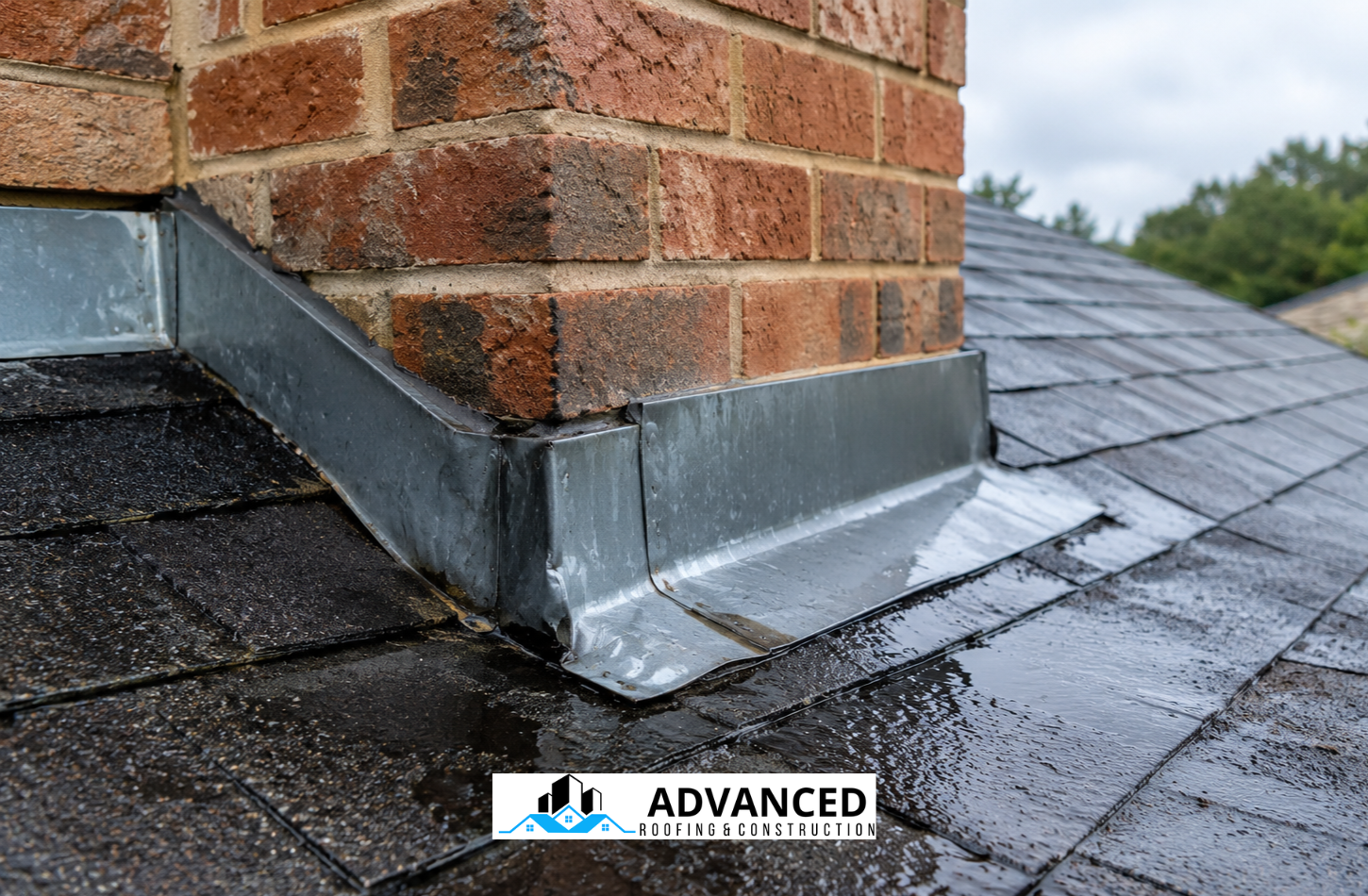
Think of the roof as a layered system. Shingles help shed water, underlayment adds a moisture barrier, and flashing protects transitions and joints. Decking is the platform that makes all those components work correctly. If that platform is compromised, the roof can't perform as it should.
Why Decking Affects the Whole Roofing System
Damaged decking can trigger a chain reaction of roofing problems. Moisture may seep through weak points, softening the wood and spreading to surrounding areas. Over time, this can lead to sagging, mold growth, insulation damage, and interior water stains. In serious cases, it can even affect structural safety.
This is why professional roofers don't just replace shingles and move on when deeper issues are present. Fixing the problem might require replacing sections of the decking before new materials are installed. For homeowners thinking about a full system upgrade, new roof installation is often the best time to ensure the hidden structure beneath the shingles is sound.
Common Decking Materials Used in Homes
Today, most homes use plywood or OSB, short for oriented strand board, as roof decking. Plywood is known for its strength and moisture resistance, while OSB is popular because it's cost-effective and structurally consistent. In older homes, you might find board decking made of individual planks, which can have spacing and wear patterns needing special attention.
Each material has strengths, but none are immune to water intrusion or age-related deterioration. The Federal Emergency Management Agency advises that roof components should be properly secured and maintained to help homes withstand severe weather. And that starts with a solid decking base.
Signs Your Roof Decking May Be Damaged
Interior Clues That Point to Hidden Problems
Some of the first signs of decking damage show up inside your home. Water stains on ceilings, peeling paint near rooflines, musty smells in the attic, and visible moisture around light fixtures can all suggest a leak reaching the structure under the shingles. If the issue has been there for a while, the decking might already be soft or warped.
Homeowners often mistake these symptoms for simple surface leaks, but the real cause may be deeper. Water entering through cracked flashing or damaged shingles can seep into the decking and spread across the panel before becoming visible indoors. That’s why even a small stain should be taken seriously and checked out promptly.
Exterior Warning Signs on the Roofline
Outside, look for sagging roof sections, uneven shingle lines, or areas dipping between rafters. These signs can indicate weakened decking or structural movement. After strong storms, broken shingles, lifted flashing, and scattered granules may also hint that water intrusion has affected more than just the surface.
If your roof has recently faced wind, hail, or heavy rain, think about scheduling storm damage services before the next weather system arrives. A timely assessment can reveal whether the decking is still solid or if hidden deterioration needs immediate attention.
Attic Signs Homeowners Should Not Ignore
The attic often reveals problems before the living space does. Wet insulation, dark wood staining, mold spots, or daylight shining through the roof deck are all warning signs. In a healthy roof system, the attic should be dry and well-ventilated, with no visible leaks or structural softening.
Good airflow matters because trapped heat and moisture can shorten roof life. If attic conditions are poor, the decking may deteriorate faster even if the shingles still look fine from the street. So, don't treat the attic as an afterthought when assessing roof condition.
Why Roof Decking Problems Often Go Unnoticed
Shingles Can Hide Serious Damage
A common misconception about roofs is that a good-looking exterior means the entire system is in good shape. Shingles can remain intact while the wood beneath them weakens from condensation, minor leaks, or repeated storms. By the time damage becomes visible, repairs may be more extensive.
This often happens in older roofs where previous repairs were done over existing damage. A patch might temporarily stop a leak, but if the decking was already compromised, the underlying issue continues. That’s why experienced contractors often recommend looking beyond the surface before making any decisions.
Florida Weather Makes Hidden Damage More Likely
Homes in South Florida deal with intense sun, high humidity, heavy rain, and strong winds. These conditions put constant stress on roofing materials and can speed up the breakdown of decking. Repeated cycles of heat and moisture may cause wood to expand, contract, and weaken over time.
For homeowners in Davie and surrounding areas, the challenge isn't just storm damage. Everyday weather exposure can cause slow deterioration that stays hidden until a full inspection reveals it. That's why local expertise matters when evaluating roof decking and planning repairs.
Roof Age and Past Repairs Matter Too
Older roofs are more likely to have decking issues because the materials have been exposed for longer. Previous repairs might leave behind mismatched sections, undersized fasteners, or areas where moisture entered around patches. Even with maintenance, age alone increases the chances that the decking needs attention.
That’s why a roof evaluation shouldn't focus only on the shingles. The underlying wood, fasteners' condition, and the quality of past work all affect the roof’s long-term performance. If you're deciding between repair or replacement, our roof replacement service can help determine whether the decking needs partial or full attention.
How Roof Decking Impacts Repairs and Replacement
When Repair Is Enough
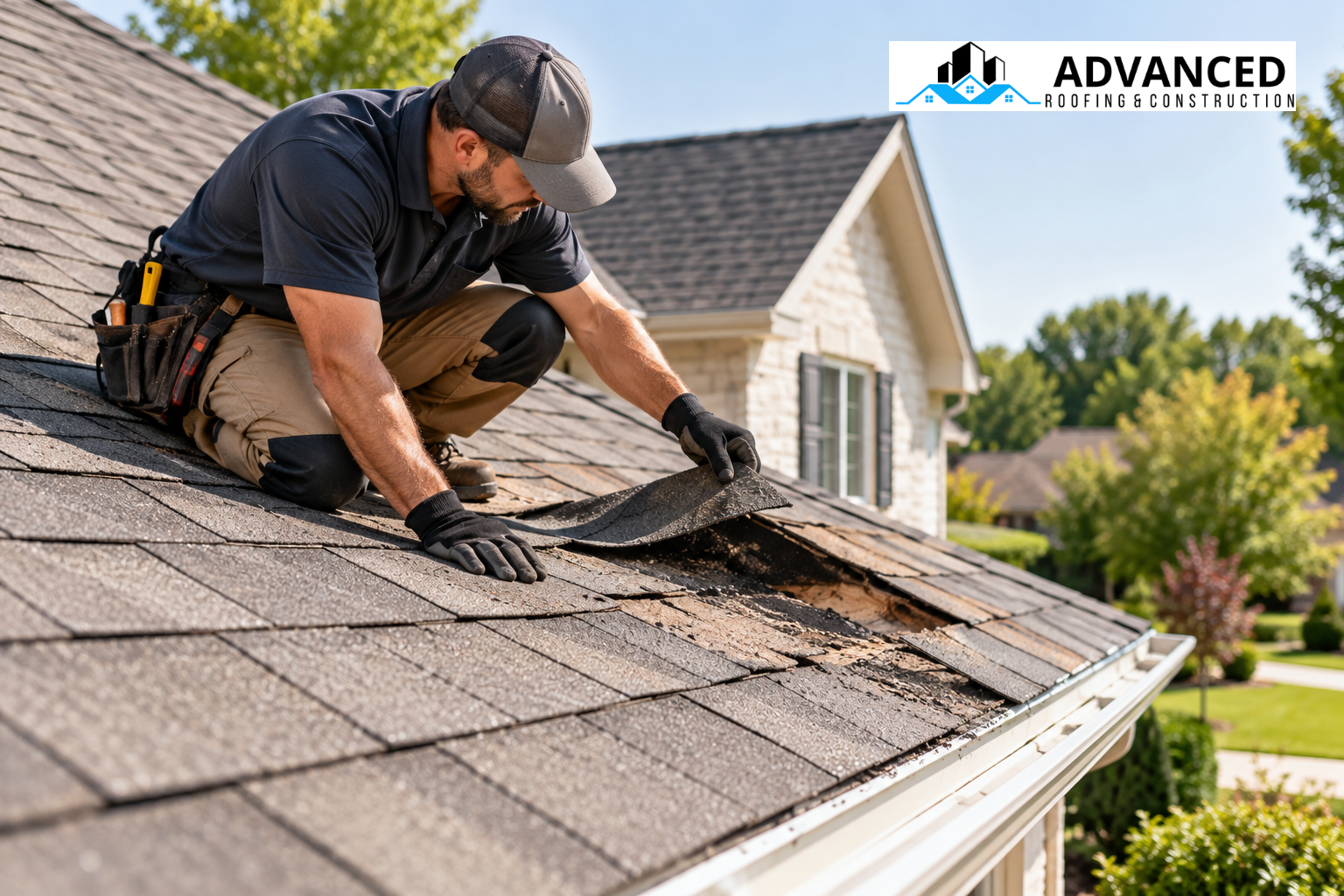
Not every decking issue means a full roof replacement. If damage is limited to a small area, a roofer might remove the affected shingles, replace the damaged section of decking, and reinstall the roofing materials. This can be effective when the problem is isolated and the rest of the roof is in good shape.
Targeted repair is often the most cost-effective option when you catch damage early. The key is knowing how widespread the deterioration really is. A professional inspection can distinguish between a small patch job and a larger structural concern needing more extensive work.
When Replacement Becomes the Smarter Choice
If multiple sections of decking are soft, warped, or rotted, replacement might be the better investment. Installing new shingles over compromised decking is rarely wise because the new roof will inherit the same structural weakness. In severe cases, a replacement allows the crew to start with a clean, solid base.
This approach can improve durability, increase wind resistance, and help the new roof perform as intended. It also lets contractors fix hidden issues that may have developed over time, like poorly attached boards or water-damaged areas around penetrations and valleys.
How Decking Affects Pricing and Project Scope
Roof decking influences both labor and material costs. If the crew finds damaged wood during tear-off, the project may require additional replacement decking, extra fastening, and more time for inspection and installation. That doesn't mean the job is going wrong; it means the contractor is fixing problems that would otherwise shorten the new roof's life.
Homeowners sometimes feel surprised when hidden decking damage changes a project estimate. But transparency is better than installing a roof on a weak foundation. A trustworthy contractor will explain what was found, why it matters, and how the repair plan protects the home long term.
Best Practices for Protecting Roof Decking
Schedule Regular Inspections
Routine inspections are one of the simplest ways to protect the decking beneath your shingles. Annual checks, along with post-storm evaluations, help catch leaks, loose flashing, and early signs of decay before they become major problems. A thorough inspection should include the attic, roof surface, and vulnerable roof intersections.
If you want proactive protection, our roof inspection service helps identify weaknesses before they spread. When a contractor catches a problem early, you can often prevent larger structural repairs and extend the life of the entire roofing system.
Control Moisture and Improve Ventilation
Moisture is one of the biggest threats to roof decking. Proper attic ventilation helps reduce trapped heat and humidity that can otherwise damage wood over time. In a humid climate, balanced airflow can also help reduce condensation that forms when warm air meets cooler surfaces.
That’s why attic conditions should be reviewed along with shingles and flashing. If your home tends to run hot upstairs or you notice recurring moisture in the attic, it might be time to explore attic ventilation improvements. Better airflow can support both deck health and shingle performance.
Keep Water Away from Vulnerable Areas
Water management doesn't stop at the roof surface. Gutters, downspouts, and drainage patterns all affect how long a roof deck stays dry. If water backs up or overflows near roof edges, it can increase the chance of moisture reaching the fascia, soffit, and deck perimeter. Over time, that can lead to rot in areas hard to spot from the ground.
For homes with ongoing drainage concerns, gutter replacement can be a smart investment. Clean, properly sloped gutters help move rainwater away from the home and reduce the risk of hidden damage at the roof edge.
What Happens During a Decking Repair or Replacement
Tear-Off and Inspection
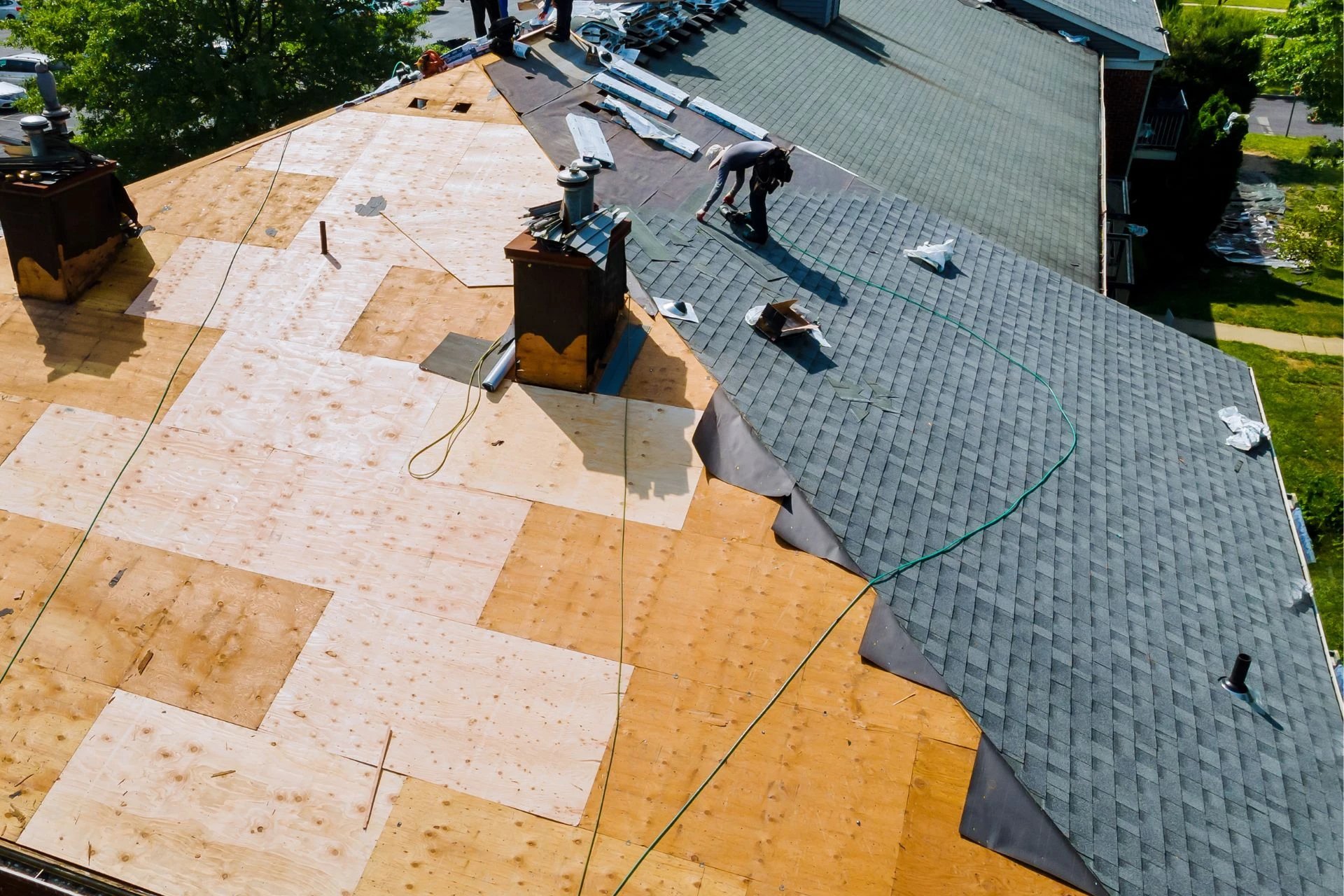
When a roof is opened up, the contractor can inspect the decking directly. This is the only way to know for sure if the wood beneath the shingles is still sound. During tear-off, the crew removes old materials and checks for soft spots, discoloration, mold, delamination, and fastener issues.
This step is important because surface symptoms don't always reveal the full picture. A shingle that seems intact may be hiding a deck section that has been leaking for months. Once the old materials are removed, the team can make informed decisions about what should stay and what should be replaced.
Replacing Damaged Sections Correctly
Damaged decking should be cut out and replaced with properly sized material that matches the surrounding structure. The new sections must be fastened securely, aligned correctly, and integrated with the rest of the roof system. If the contractor skips steps or uses inferior materials, the repair may fail sooner than expected.
This is one reason homeowners should choose a contractor who understands full roofing systems, not just shingles. A well-executed decking repair supports the underlayment, flashing, and final roof covering so the finished product performs as a unified system.
How the New Roof is Layered Afterward
Once decking repairs are complete, the roofer installs underlayment, drip edge, flashing, and the final roofing material. Each layer works together to keep moisture out and protect the structure below. If the deck is solid, the new roof has a much better chance of lasting its full intended service life.
Industry organizations like the Asphalt Roofing Manufacturers Association stress the importance of proper installation practices because roof systems are only as reliable as their base layers. That’s why quality workmanship matters just as much as the materials themselves.
How Roof Decking Affects Home Value and Insurance Concerns
Why Buyers Care About the Roof Structure
Homebuyers often focus on visible roof age, but serious buyers and inspectors also want to know about the condition underneath the shingles. Strong decking suggests the roof has been maintained well and that water damage is less likely to be hiding below the surface. Weak decking can raise concerns during negotiations and lead to repair requests.
If you’re planning to sell, a roof inspection that identifies deck condition can help you avoid surprises later in the process. It can also give you more confidence when answering questions from buyers, agents, or inspectors about the age and quality of the roof system.
Insurance Claims and Storm Restoration
After major storms, insurance adjusters may review not only shingle damage but also the condition of the roof structure underneath. If decking was compromised by wind-driven rain or impact, documenting that damage is important for the claim process. Careful photos, inspection notes, and contractor assessments can all support a more accurate evaluation.
Homeowners who need help after severe weather should act quickly and seek a professional assessment. Timely documentation can make the difference between a partial repair and a more complete restoration plan, especially when storms expose pre-existing vulnerabilities.
Frequently Asked Questions About Roof Decking
Can Roof Decking Be Repaired Without Replacing the Whole Roof?
Yes, in many cases it can. If the damage is limited to a specific area, a roofer can remove the affected portion, replace the damaged decking, and reinstall the roofing materials above it. The key is making sure the rest of the system is still in good enough condition to support a lasting repair.
How Do I Know if My Decking is Rotten?
Rotten decking may feel soft when walked on, show dark staining, or appear warped or delaminated. Inside the attic, you might notice mold, moisture, or visible discoloration. Because some damage is hidden below the roofing surface, a professional inspection is usually the safest way to confirm the condition.
Is OSB as Good as Plywood for Roof Decking?
Both can perform well when properly installed. Plywood has a long track record and tends to handle moisture exposure well, while OSB is widely used for its affordability and consistency. The better choice often depends on design, installation quality, and how well the roof is protected from water intrusion.
How Often Should Roof Decking Be Checked?
Roof decking should be evaluated during regular roof inspections and after major storms. If your roof is older or has had past leaks, more frequent checks are smart. The earlier you catch a weakness, the easier and less expensive it usually is to fix.
Conclusion: The Layer You Never See Is Often the One That Matters Most
Roof decking may be hidden beneath the shingles, but it plays one of the most important roles in your home’s protection. It supports the entire roofing system, helps keep water out, and gives shingles the solid foundation they need to perform properly. When decking is weak or damaged, the rest of the roof is at risk no matter how new the surface materials may be.
If you have noticed leaks, storm damage, sagging spots, or attic moisture, don’t wait for the problem to spread. A professional inspection can reveal whether you need a repair, partial decking replacement, or a more complete roof solution. In many cases, catching the issue early is the best way to protect your home and save money over time.
At Advanced Roofing & Construction, we help homeowners understand what is happening beneath the shingles so they can make smart, informed decisions. If you suspect a hidden roof problem or want peace of mind before the next storm season, schedule an inspection and get clear answers from a team that knows how to protect South Florida homes. Your roof is only as strong as what is underneath it, and that is where real protection begins.