Why Florida Homeowners Love Tile Roofing: A Friendly Guide
Living in Florida means dealing with a lot of unique weather challenges, like heat, humidity, heavy rains, and the occasional storm. That's why many Florida homeowners choose tile roofing. It’s known for its durability, good looks, and lasting value. If you're thinking about upgrading your roof, getting to know the perks of tile roofing can help you decide what's best for your home. For those seeking advice from a local residential roofing expert, it’s helpful to consider both how a roof performs and how it looks.
Tile roofs aren’t just about aesthetics. They're crafted to handle tough weather while offering a stylish appearance that suits many Florida homes. In this guide, we'll dive into why tile roofing is so popular, its performance in coastal climates, what upkeep looks like, and when it might be the right choice for your home. We’ll also explore the connection between roofing materials, ventilation, and regular inspections to ensure your investment stays secure. To understand the weather risks that impact Florida roofs, check out the National Weather Service's hurricane safety tips to see why roof resilience is so crucial here.
Why Tile Roofing Works So Well in Florida
Designed for Heat, Sun, and Humidity
Florida’s roofs face intense sunlight, high humidity, and long periods of heat. Tile roofing is great in these conditions because it naturally resists UV exposure and doesn’t wear out as quickly as lighter materials. Many homeowners love that tile maintains its look longer and is less likely to fade under the Florida sun. This makes it especially appealing for those who want a roof that looks good and performs well over time.
Tile also helps keep your home comfortable when paired with proper insulation and ventilation. By reflecting and shedding heat better than some alternatives, tile can ease the burden on your cooling system. The attic ventilation system plays a big part in this because even the best roofing needs proper airflow beneath it. When the attic breathes, the roof works more efficiently and is less likely to trap harmful heat and moisture.
Resistant to Moisture and Rot
Florida’s frequent rain and high moisture levels mean roofing materials must handle wet conditions without deteriorating quickly. Tile roofing excels here because it doesn’t rot, warp, or absorb water like some organic products. While underlayment and installation quality are still important, the tile surface offers a tough barrier against repeated rain.
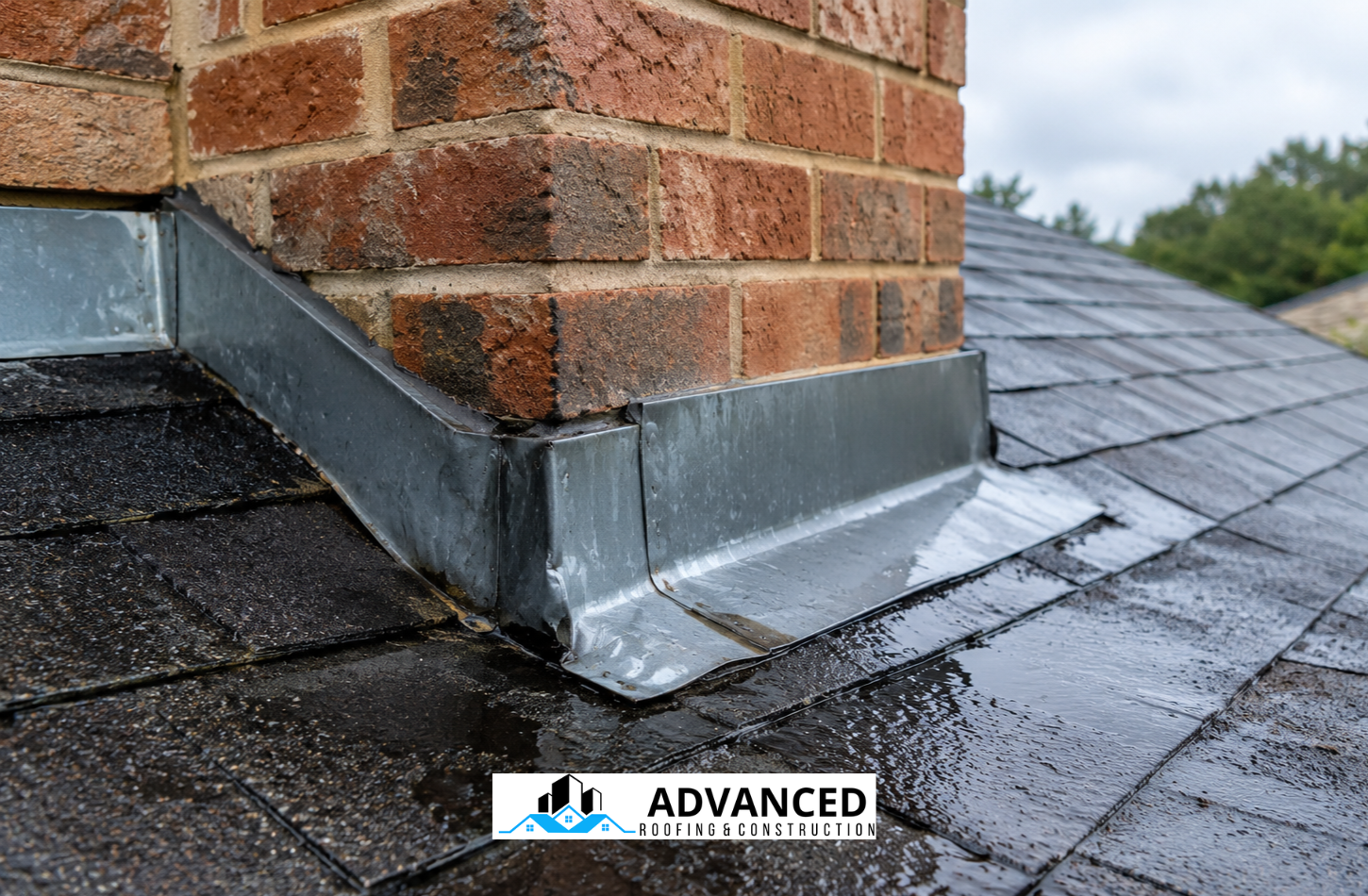
This resistance is crucial in areas where strong storms can expose weak spots in a roof. The roof inspection process can spot cracked tiles, worn underlayment, and flashing issues before they turn into costly repairs. In a state where moisture intrusion can cause mold and structural damage, having a roof that offers extra protection is a major plus.
The Beauty of Tile Roofs
A Timeless Look for Florida Homes
One reason tile roofing is popular is its classic look. Whether your home is Mediterranean, Spanish, coastal, or contemporary, tile can boost curb appeal in a way that many love. The profile, color options, and texture create a polished look that feels upscale without being trendy. For buyers and sellers, this visual appeal can really make a difference in how a home is viewed.
In many neighborhoods, a tile roof complements the area’s character. It can make a home stand out tastefully while fitting naturally into the surroundings. This matters if you plan to sell because buyers often notice the roof’s condition and style early on. A good first impression can enhance both resale value and buyer confidence.
Color and Style Options
Tile roofing comes in a variety of colors and profiles, which allows homeowners to match the roof to their home’s exterior. Some prefer classic terra cotta, while others opt for darker shades for a modern vibe. The design flexibility means you can pick a roof that reflects your taste without sacrificing performance. This blend of beauty and durability is a big reason tile remains a top choice.
Consider how roof color affects heat absorption and visual harmony. Lighter tiles may reflect more sun, while darker ones can create a richer look. If you're thinking about a complete replacement, exploring options through roof replacement services can help you compare colors, product lines, and performance ratings. The right tile should match your home’s style and meet Florida’s practical needs.
How Tile Roofing Handles Storms
Wind Resistance and Quality Installation
Storms are a big reason Florida homeowners take roofing seriously. Tile roofs can do well in high winds if installed and maintained properly, but the system must be built right from the start. This includes secure fastening, quality underlayment, and proper edge detailing. Tile alone isn’t enough—the whole roof setup must work together to resist storm damage.
That’s why professional installation and careful repairs matter a lot. If a storm causes damage, storm damage services can help fix leaks, broken tiles, and hidden issues not visible from the ground. FEMA’s storm guidance advises homeowners to check and act quickly after severe weather to prevent further damage. This advice is especially relevant for tile roofs, where early attention can stop a small issue from becoming a big repair.
Why Underlayment Is Just as Important
Many think the tile is the whole roof, but the underlayment beneath is just as crucial. The tiles shield the structure from sun and rain, while the underlayment is a key water barrier. If it fails, water can reach the roof deck even if the tiles look fine from above. That’s why an older tile roof might need more than just surface repairs.
This is where a professional assessment is useful. If your roof has visible cracks or leaks, discussing roof repair versus replacement can save time and money. Tile roofs often last long, but once the underlayment wears out, overall performance can dip. A smart homeowner views the roof as a complete system, not just the visible tiles.
Energy Efficiency and Comfort
Managing Attic Heat
A hidden benefit of tile roofing is how it can improve thermal performance. Florida attics can get extremely hot, especially in summer. Tile roofing, combined with proper ventilation, can lessen heat buildup and boost comfort. This can lower cooling needs and create a more stable indoor environment.
While tile isn’t a substitute for insulation or efficient air conditioning, it can be part of a smarter system. Homeowners wanting to improve roof performance should consider airflow, insulation, and attic sealing together. If you’re unsure about your attic’s role, scheduling a detailed roof inspection can reveal if heat and moisture are gathering in the wrong places. Small attic improvements can significantly extend the roof's life.
Long-Term Energy Savings
While exact energy savings vary, many homeowners enjoy the efficiency benefits of tile roofing over time. A roof that handles heat well may reduce cooling system stress and help manage indoor temperatures. Over time, this can lead to lower maintenance stress and better comfort. Even if savings are small, they matter over many years of homeownership.
Remember, roof efficiency should be measured across the whole system, not just the outer layer. The best results often come from pairing tile with proper decking, ventilation, and drainage. For those considering a larger upgrade, new roof installation offers a chance to design the system for Florida from the start. This is great if your current roof is older or has had several repairs.
Durability, Lifespan, and Value
Why Tile Is a Long-Term Investment
Tile roofs are often chosen for their long service life when installed and maintained well. Compared to other materials, tile is known for lasting through years of weather with minimal wear. Homeowners value this durability as it means fewer replacements. Instead of just focusing on upfront costs, many consider the long-term value of a roof that can serve for decades.
Roofing is a crucial protective system in any home. A durable roof preserves everything underneath it, from insulation and framing to drywall and flooring. That’s why a well-maintained tile roof can provide peace of mind and enhance property value. In markets where buyers understand the climate, a well-kept tile roof is often seen as a strong selling point.
How Maintenance Affects Lifespan
No roofing material is maintenance-free, including tile. Broken tiles, clogged gutters, damaged flashing, and underlayment wear need attention over time. The good news is regular upkeep is straightforward when issues are caught early. Annual or post-storm inspections can extend the roof’s life and reduce major leak risks.
Gutter performance also affects tile roof longevity more than many realize. Water that can’t drain properly may back up around the roof edge, causing damage or staining. If your drainage system is aging or failing, gutter replacement can help protect the roof and surrounding areas. For more on drainage issues, see our article on rainwater overflow from gutters, which explains how small problems can lead to bigger roofing concerns.
Types of Tile Roofing in Florida
Clay Tile and Its Traditional Appeal
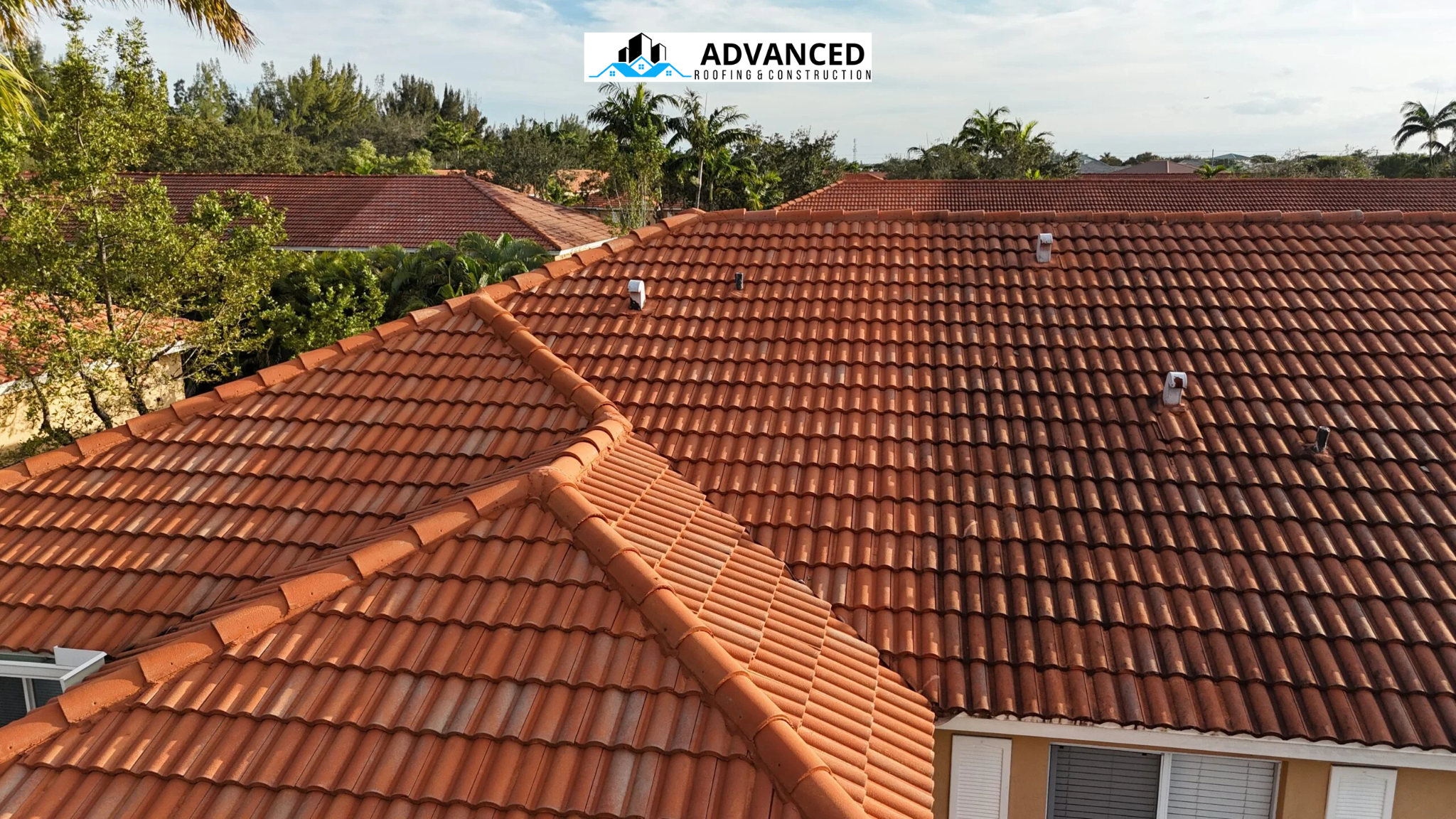
Clay tile is a well-known roofing material in Florida. It has a classic, high-end look that many love, and performs well in hot climates. Clay tiles are noted for their beauty and color retention, especially in homes seeking a Mediterranean feel. They’re a strong choice for those who value both appearance and function.
Because clay is dense and durable, it often provides strong long-term performance. However, its weight and installation needs mean the roof structure must be evaluated before installation. That’s why working with a knowledgeable roofing contractor is crucial. The right team ensures the structure, underlayment, and fastening details support the material chosen.
Concrete Tile as a Versatile Alternative
Concrete tile is another popular choice because it balances durability, looks, and flexibility. It can be made in many colors and profiles, giving homeowners plenty of design options. Many like concrete tile for its ability to mimic other materials while providing robust weather resistance. It’s often viewed as a practical choice for Florida homes wanting strong performance and style options.
Concrete tile is also a smart choice for those considering budget and lifespan. While every project is different, it's often chosen for its long-term value. If you’re exploring a roof that balances cost, strength, and curb appeal, a consultation with a roofing expert in Pine Island Ridge or nearby can help you decide what works best for your home and the local weather.
Things to Know Before Choosing Tile
Roof Structure and Weight
One of the first things to know about tile roofing is it’s heavier than other roofing products. This means your roof structure must be carefully evaluated before installation or replacement. Sometimes, structural reinforcement is necessary. This isn’t a drawback but more of a planning step, so never treat tile selection as just a cosmetic decision.
A qualified roofing contractor can inspect the framing and decking to see if tile is the right match. If the structure is sound, tile is an excellent long-term choice. If there are concerns, the contractor can explain what changes are needed to support the new system. This is another reason a thoughtful consultation is better than choosing based only on looks.
Professional Installation is Key
Tile roofing depends heavily on correct installation. Alignment, fastening, flashing, slope, and underlayment all affect the final result. Even premium tiles can underperform if installed poorly. That’s why choosing a contractor with specific tile system experience in Florida is important. Expert workmanship protects the roof’s look and ensures it performs as intended.
For homeowners in nearby areas like Plantation and Weston, local experience matters because roofing crews familiar with South Florida conditions understand the wind, heat, and rain challenges better than a general installer. When comparing roofing options, ask about tile fastening methods, underlayment type, ventilation strategy, and warranty details. These specifics separate a roof that looks good from one that truly lasts.
Signs Your Tile Roof Needs Attention
Visible Tile Damage and Leaks
Even durable roofs can develop issues. Cracked tiles, shifted pieces, and missing sections are signs your roof may need repair. Water stains on ceilings, damp attic insulation, or musty odors indoors can also point to a hidden leak. The earlier you spot these signs, the easier and cheaper the fix usually is.
If you notice damage after a storm, don’t wait for the next rain to confirm the problem. A professional review can help determine if the issue is limited to a few tiles or if there’s a deeper problem in the underlayment or flashing. This is crucial when leaks appear in multiple places or keep coming back after patching. For sudden issues, quick roof repair can stop the damage from spreading.
When Replacement Is the Better Choice
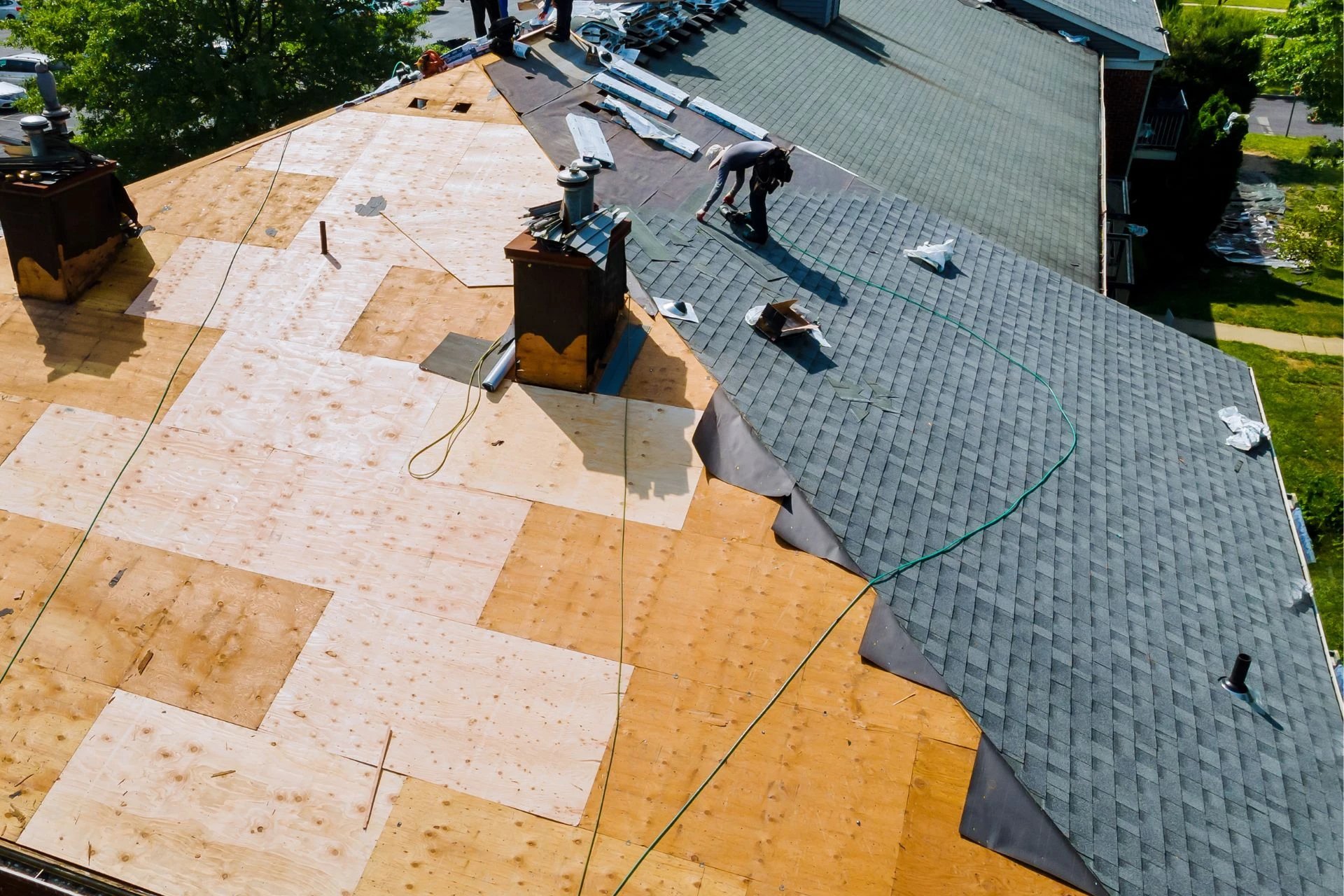
Sometimes a roof has reached the point where repeated repairs are no longer sensible. If the underlayment is failing across a large area or if tiles are becoming brittle and damaged in many spots, a full replacement might be the more effective solution. A replacement lets you rebuild the system with updated materials and better weather protection. It also allows you to address ventilation and drainage.
If you’re unsure which path to take, an honest inspection can provide clarity. The right contractor will explain the roof's condition, the expected life left, and the cost difference between repair and replacement. For homes needing a complete refresh, roof replacement might offer better value than patching an aging system year after year.
Common Questions About Tile Roofing
Is Tile Roofing Worth the Investment?
For many Florida homeowners, yes. Tile roofing is often worth the investment because it combines long-term durability, storm performance, and attractive curb appeal. While the upfront cost can be higher than some materials, the potential lifespan and reduced replacement frequency often justify the expense. Homeowners planning to stay for many years usually appreciate the long-term value.
Think of tile roofing as a system that supports the whole home. With good installation and upkeep, it can help reduce weather-related stress, protect interiors, and boost property value. If you want to know if tile fits your budget and home design, a consultation with a local roofing expert is the best starting point.
How Often Should a Tile Roof Be Inspected?
A good rule is to inspect your roof at least once a year and after major storms. Florida’s weather can reveal hidden issues quickly, and a small problem might not show until it’s caused water damage. Regular inspections help catch broken tiles or underlayment issues before they become costly repairs, especially if your roof is older or has faced many weather events.
Inspections are also useful when buying or selling a home. Buyers want assurance the roof is sound, and sellers can avoid surprises by spotting issues early. A detailed inspection report supports smarter decisions and smoother transactions.
Can Tile Roofs Be Repaired, or Do They Always Need Replacement?
Tile roofs can often be repaired, especially if the issue is limited to a few broken tiles or localized flashing damage. But if the underlying waterproofing layer is failing, repairs might only offer temporary relief. A professional can assess whether repair or replacement is more cost-effective in the long run. The key is to evaluate the whole system, not just the visible tiles.
If you want a deeper comparison of repair versus replacement, our article on how to decide what your home needs is a helpful resource. It explains signs indicating each option and can help you make a confident decision. Often, the best answer comes from a thorough inspection and an honest estimate, not guesswork.
Final Thoughts: Why Tile Roofing Is a Top Pick in Florida
Tile roofing remains a favorite for Florida homeowners because it offers a mix of strength, style, and lasting value. It holds up well in hot, humid weather, complements many home designs, and provides strong protection when installed and maintained correctly. For those searching for a roof that feels both practical and premium, tile is an excellent choice. It makes sense visually and functionally in a climate like South Florida’s.
If you're considering a new roof, replacement, or repair, the next step is a professional evaluation tailored to your home’s needs. Advanced Roofing & Construction can help you compare materials, assess storm damage, and plan the right solution for lasting protection. Whether you're exploring tile for the first time or checking an existing roof's condition, expert guidance can make the process easier and more secure. Ready to get started? Schedule a consultation and find out how the right roofing plan can protect your home for years to come.