Expert Roof Replacement Prep in Davie, FL: What Happens Before the New Shingles Go On
When you think about a roof replacement, the image of new shingles being placed might be the first thing that pops into your mind. But there's a lot that goes on before those shingles even make it to your rooftop. This prep work is crucial for ensuring your new roof is leak-resistant and can withstand Florida's tough weather. If you're gearing up for a roof replacement, here's a step-by-step guide to what you should expect before the new roof goes up.
At Advanced Roofing & Construction, we know that a successful roof replacement starts with smart planning, thorough inspection, and making the right choices about what lies beneath your shingles. Whether you need a full roof replacement or just a detailed inspection, understanding the prep work can help you make informed decisions about your home.
In South Florida, where heat, heavy rain, and moisture are common, this stage is even more important. According to the Federal Emergency Management Agency, building ready for storms and maintaining your roof properly are key to protecting your home in high-risk weather areas. So, replacing your roof should mean more than just new shingles; it's about improving the whole roofing system.
Why the Preparation Phase Matters So Much
Protecting Your Investment
A roof replacement is a big deal for homeowners. If you ignore the layers underneath, the new roof might look great initially but could fail sooner due to trapped moisture or weak decking. Proper prep ensures your new roof has a solid, dry foundation.
This is where experienced contractors show their worth. They don't just remove the old roofing and move on; they check the entire structure for damage and ensure the roof is set for a long life. That's why many homeowners pair replacement planning with roof repair if the damage is localized or opt for a full replacement when needed.
Preventing Hidden Leaks
Many roofing problems are sneaky. Leaks might not come from the shingles but from deteriorated flashing, rotted decking, or poor attic conditions. Catching these issues early means they can be fixed before the new roof goes on, reducing future water damage and costly repairs.
For guidance, organizations like the National Roofing Contractors Association stress the importance of proper substrate preparation. This is the difference between a roof that just looks new and one that genuinely performs like new.
What a Professional Pre-Installation Inspection Should Cover
Checking Decking and Flashing
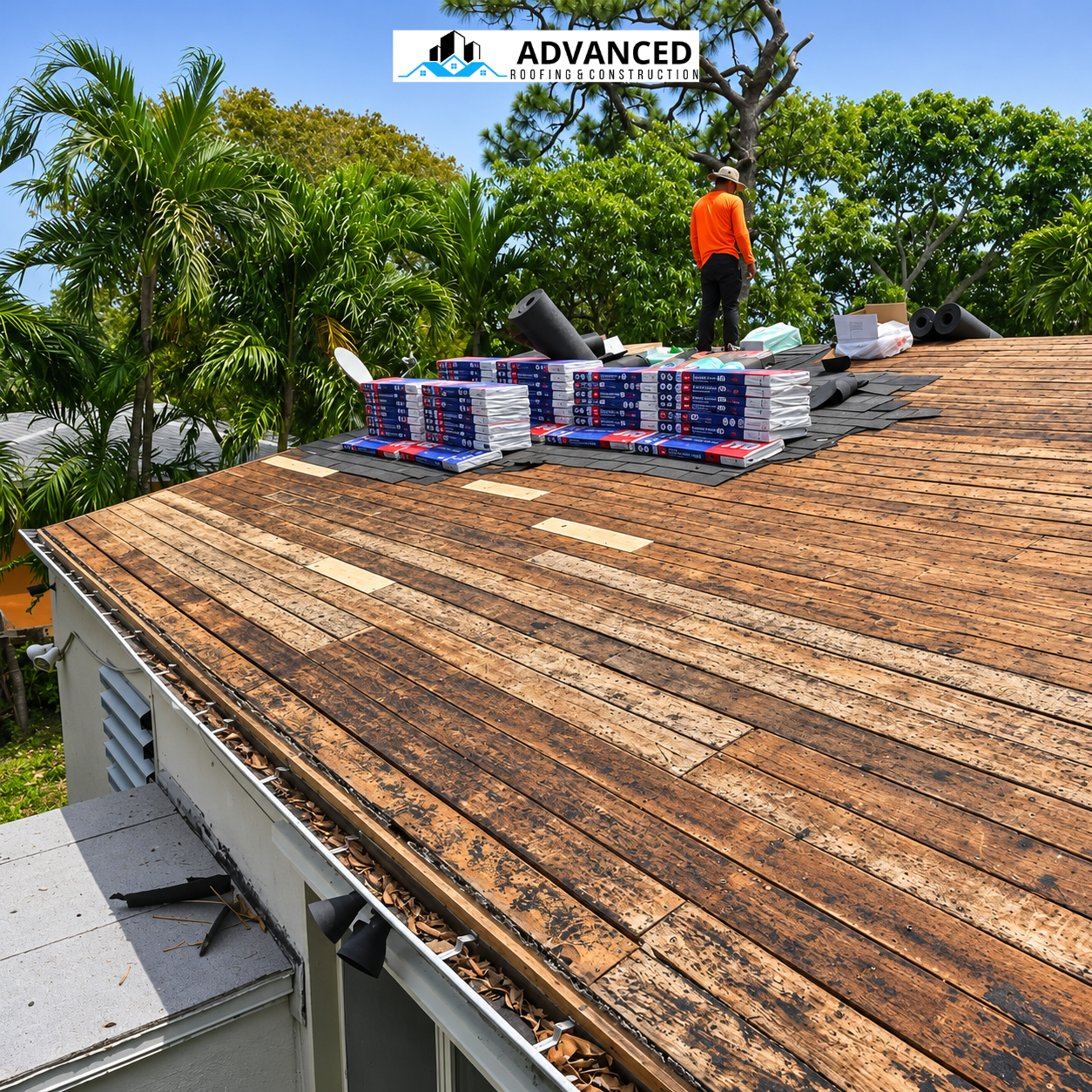
The first step is a thorough check of the roof deck and nearby components. The deck, the surface beneath the shingles, needs to be dry, solid, and securely fastened. Contractors look for soft spots, sagging areas, and signs of prior patchwork that need fixing before installing the new system.
Flashing around chimneys, vents, and walls also gets a close look. These are common trouble spots, and if not handled right, the new roof will inherit old problems. Often, the inspection will reveal whether you need a targeted repair or a full replacement supported by residential roofing expertise.
Checking Attic Conditions
Attics can hide problems that aren't visible from the outside. Damp insulation, mildew, poor airflow, and heat buildup can all signal issues to address before installation. If the attic isn't working right, your roof system might age faster and lose energy efficiency.
This is why proper attic ventilation matters so much in Florida homes. It helps reduce trapped heat and moisture, which can shorten a roof's life. Some homeowners mistakenly blame the shingles when the real problem is underneath.
What Gets Removed Before New Shingles Are Installed
Out With the Old
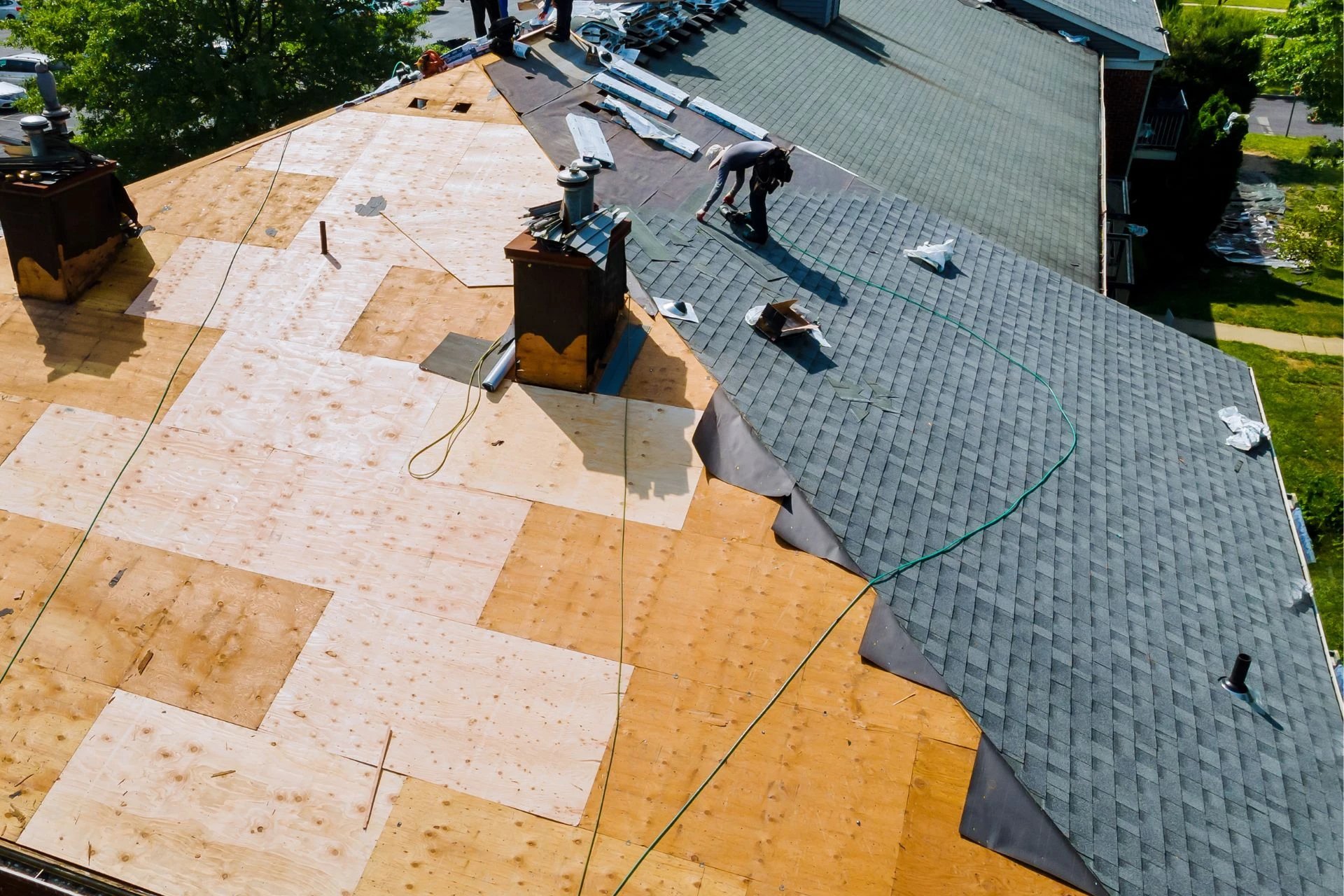
Before the new roof can go up, the old materials usually come down. This includes shingles, old nails, underlayment, and sometimes damaged flashing or vents. Removing these layers lets the contractor inspect the deck directly and make repairs instead of covering up potential issues.
This phase also shows how much wear the roof has had over time. A roof that looks okay from the street might hide years of water exposure or previous shortcuts. Once exposed, these issues can be documented and fixed.
Cleanup and Safety
Good contractors don't just tear off old roofing and leave a mess. They protect your landscaping, windows, and driveway, then manage cleanup in an organized way. Tarps and magnet sweeps help keep the property safe from stray nails or debris.
If your home recently faced severe weather, a roof tear-off might be part of a broader recovery plan. In such cases, homeowners often benefit from storm damage services that handle more than just the roof, including leak checks and restoration planning.
Repairs Under the Surface
Replacing Damaged Decking
Surprises sometimes appear after the old roof is removed. Sections of decking may be water-damaged or too weak to support new materials. These areas must be replaced before the new roof goes on to avoid uneven surfaces and weak fastening.
While added costs might be a concern, replacing damaged decking is a wise move. It tackles the root of the problem and gives the new roof a solid base. For more about hidden roof layers, check out our article on why roof decking matters.
Upgrading Metal Details
Prep work might also include upgrading metal parts like flashing and drip edges. These guide water away from vulnerable spots and prevent leaks where the roof meets other materials. Small mistakes here can lead to ongoing problems, so the upgrade is often worth it during replacement.
According to the U.S. Department of Energy, roofing systems and attic conditions can impact a home's energy performance. Better sealing and material choices can help reduce heat gain and make the home more comfortable, especially in hot climates.
Ventilation and Drainage Make a Difference
Why Airflow Matters
Florida roofs face intense sun and humidity, making ventilation key during a roof replacement. Without proper airflow, heat builds up in the attic and transfers to roofing materials, increasing wear and contributing to moisture issues. This can lead to warped decking and shortened shingle life.
Smart ventilation planning gives the roof a better shot at lasting longer. This is especially crucial if your home has had attic moisture problems or if the current roof lacks enough airflow. A full roof upgrade should consider attic design as well.
Managing Water Runoff
Water management doesn't stop at the roof's edge. Gutters and downspouts help move water away from the home and protect the fascia and foundation. If gutters are sagging or clogged, rainwater can back up and cause issues affecting the whole roofing system.
For those noticing overflow or stains along the eaves, a coordinated approach may be needed. Sometimes, new roofing and gutter replacement work together to improve drainage and prevent future damage.
The Impact of Materials and Weather
Choosing the Right Materials
Not all roofing materials are the same, and prep needs can vary based on the system being installed. Tile, shingle, and other types have different weight and underlayment needs. Contractors should explain how the chosen material affects tear-off, deck repair, and weather protection.
If you're still exploring options, comparing system types can be helpful. For instance, you can read about why tile roofing is popular in Florida to understand how it performs in local weather.
Planning Around Weather
In South Florida, timing is everything. Crews need to plan around sudden rain and storm season to keep materials dry and the worksite safe. Protective coverings and careful planning help ensure quality work.
The Ready.gov hurricane guidance advises homeowners to prepare before severe weather hits. Similarly, a contractor who plans for local weather conditions from the start is more likely to deliver a better result.
How Homeowners Can Prepare
Clear Access and Protect Valuables
Homeowners can help by getting the property ready before the crew arrives. Move vehicles and outdoor furniture away from the work area. Inside, remove wall hangings that might vibrate loose and protect attic items from dust or debris.
Discuss access points with the contractor ahead of time. Knowing where materials will be staged helps reduce confusion. If your project includes additional home improvements, coordinate with other services like new roof installation for additions or remodels.
Ask the Right Questions
A good contractor will welcome questions about the prep phase. Ask if the deck will be inspected, how many layers will be removed, and how surprise repairs will be handled. Clear answers can set expectations and reduce stress.
Also, ask how the contractor documents hidden damage. Photos and inspection notes provide transparency and help you understand why any extra repairs are needed.
Signs the Process Needs More Attention
Unexpected Damage
Sometimes, projects reveal more damage than expected. If rot or structural weaknesses are found, additional repair work might be needed before moving forward. This doesn't mean the project is going wrong; it often means the contractor is addressing issues that could cause trouble later.
The key is how the issue gets handled. A professional team explains the problem, shows evidence, and recommends the next step based on safety and performance. If you've noticed warning signs like leaks or missing shingles, review our article on early roof warning signs before starting the project.
Communication Issues
Vague communication is a red flag. If a contractor can't explain what will happen before the shingles go on, or how hidden damage will be handled, the project might be poorly organized. Prep should be detailed, not improvised.
Clear planning also helps with budgeting. Understanding what's included in the prep stage can help you avoid feeling blindsided by necessary repairs. Honest estimates and a thorough plan are part of getting a professional roof replacement.
FAQ: Roof Replacement Prep Questions
Will My Roof Always Need a Full Tear-Off?
Not always. Many full replacements do require a tear-off to check the decking and underlayment properly. In some cases, limited overlay work might be an option, but that depends on local code, roof condition, and contractor recommendations. A full evaluation is best.
How Long Does Prep Work Take?
It depends on roof size, pitch, material type, and weather. Some homes move quickly through inspection and tear-off, while others need extra deck repairs. A realistic schedule should include time for discovery, not just installation.
Should I Plan for Attic or Ventilation Updates?
Yes, especially if your attic has heat or moisture issues. Roof replacement is the ideal time to improve airflow. If you're unsure, a professional evaluation can determine if attic improvements should be part of the project.
Conclusion: The Best Roofs Start with Good Prep
A new roof is only as strong as the work done before the shingles go on. From inspections to deck repairs and ventilation planning, each step affects how well the finished roof will perform. Homeowners who understand the prep phase are better equipped to ask smart questions, compare estimates, and choose a contractor who values quality.
At Advanced Roofing & Construction, we make sure each project is carefully prepared because details matter. If you're considering a replacement and want a team that treats your home with care, explore our roof replacement services and see how a thorough process leads to better results. For those in Davie who want dependable support, this preparation makes the difference between a roof that just looks new and one that's built to last.
If you're ready to move forward, schedule an inspection, ask questions, and make sure your next roof starts with the right foundation. That way, when the new shingles finally go on, you can feel confident that everything underneath is done right.