Your Go-To Guide for Attic Ventilation: Boost Your Roof's Life in Davie, FL
Attic ventilation might not be the first thing that comes to mind when thinking about your roof, but it’s pretty important. It helps your roof last longer and keeps your home running smoothly. When your attic has good airflow, heat and moisture don’t get trapped under the roof, which means less wear and tear, better energy efficiency, and fewer repairs down the road. If you're considering a roof inspection or want to protect an older roof, understanding ventilation is a great place to start.
In warm, humid places, attics can get really hot, and trapped moisture can weaken roofing materials from the inside. The U.S. Department of Energy says that proper insulation and airflow are key to a well-performing home, and the roof is a big part of that. In this article, we'll cover what attic ventilation does, why it’s important, the warning signs of poor airflow, and how a roofing contractor can help you create a roof that lasts. If your home needs a full roof check, our residential roofing services can help you figure out what to do next.
What Attic Ventilation Actually Does
It helps control heat buildup.
Attics can trap a lot of heat, especially during hot summer days when the sun beats down on the roof. Without enough airflow, that heat sticks around and can raise the temperature of your shingles and roof decking. Over time, high attic temperatures can shorten the lifespan of roofing materials and make your home harder to cool. So, ventilation isn’t just about comfort; it’s also about keeping your roof in good shape.
It helps manage moisture.
Moisture can be a big threat to your roof. Everyday activities like cooking and bathing create humidity that can rise into the attic if the house isn’t sealed well. Once inside, it can condense on cooler surfaces and lead to mold, wood rot, and rusted fasteners. The Environmental Protection Agency highlights that controlling moisture is key to preventing mold, and attic ventilation plays a big role in that.
It supports the entire roofing system.
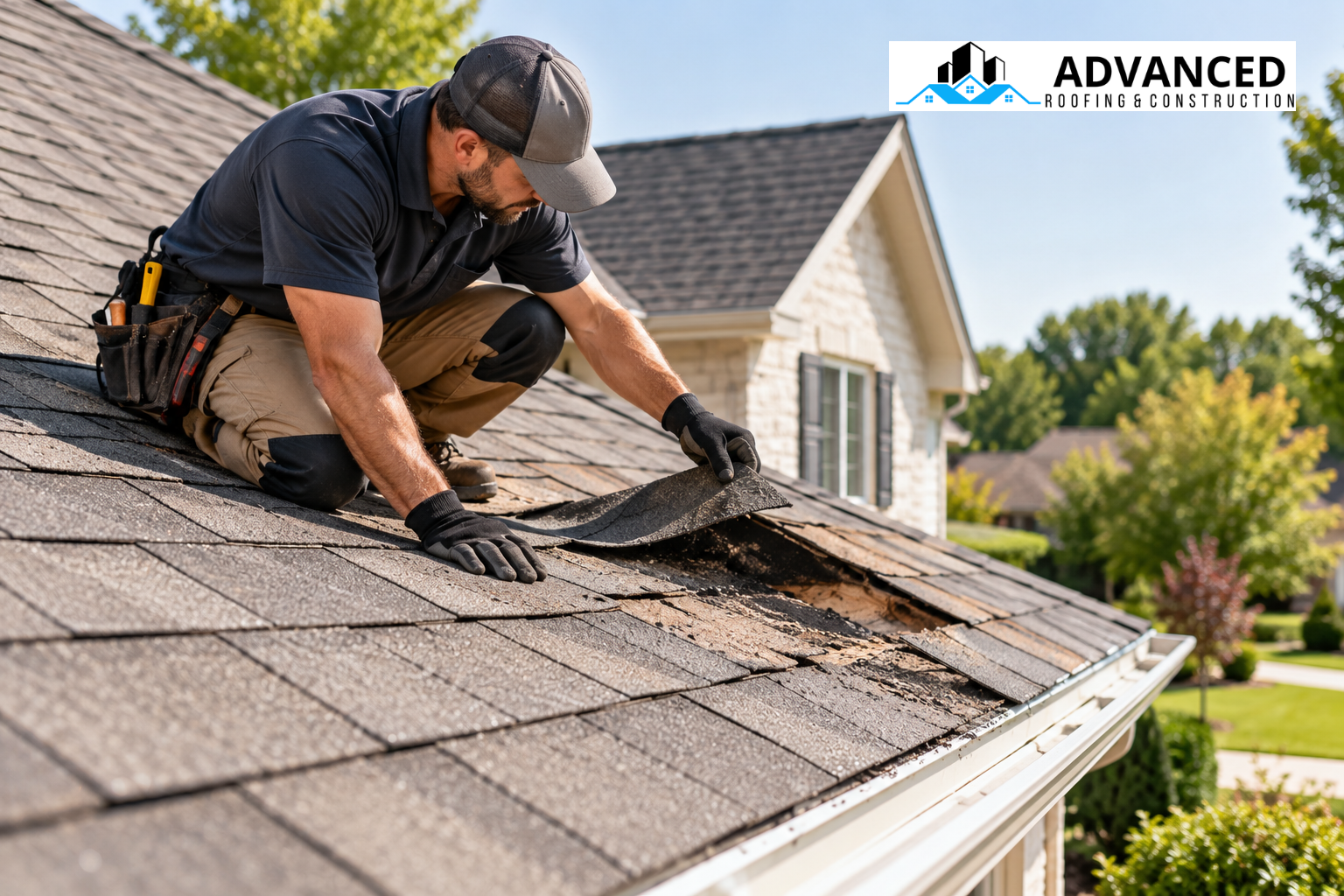
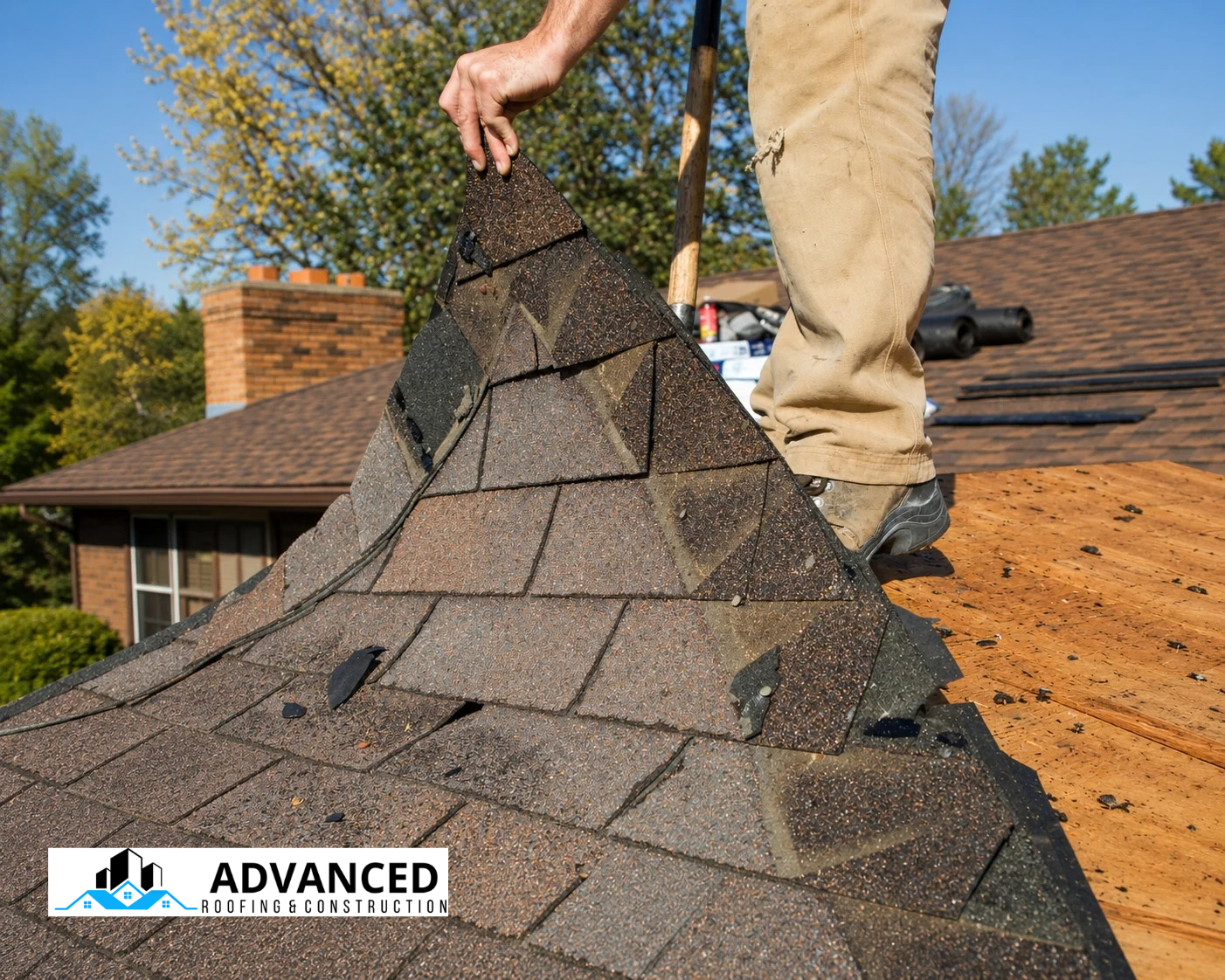
A roof is more than just shingles. It includes decking, fasteners, insulation, and more. When all these parts work together, the roof performs better and lasts longer. Good ventilation reduces stress from heat and moisture, which can otherwise cause materials to wear out faster. If your home is showing signs of age or storm damage, a roof repair check often reveals ventilation issues that need fixing.
Why Attic Ventilation Extends Roof Life
It reduces shingle aging.
Shingles are made to withstand weather, but they aren't meant to handle constant heat from below. When attic temperatures stay high, asphalt shingles can become brittle and curl sooner, which means the roof might age before its time. Better airflow helps keep attic temperatures stable and shingles performing well.
It protects roof decking and framing.
Roof decking is the base beneath your roofing materials, and it’s vulnerable to trapped moisture. Persistent condensation can cause the decking to soften or warp. Framing parts can suffer too if humidity stays high. Over time, this hidden damage can turn a minor issue into a full roof replacement project. Proper ventilation keeps the structure drier and stronger.
It can improve energy efficiency.
Hot attics make cooling systems work harder, especially if ductwork or HVAC parts are overhead. A well-ventilated attic reduces heat transfer into living spaces, which can ease cooling strain during peak times. While ventilation alone won’t solve every energy problem, it’s a crucial part of a larger plan that includes insulation and sealing. For many homeowners, ventilation improvements offer roof and comfort benefits.
Common Signs Your Attic May Be Poorly Ventilated
Excessive attic heat
If your attic feels like a sauna, it might be a sign of poor airflow. A hot attic isn’t unusual, but if it stays hot well into the evening, it suggests the space isn't exchanging air effectively. This can lead to premature roof wear and higher indoor cooling costs. A professional attic ventilation check can help figure out if your system needs improvement.
Visible moisture or mildew
Moisture stains, mildew smells, or damp insulation are red flags. These signs can indicate poor airflow or roof leaks. The tricky part is that attic moisture damage often starts quietly and becomes noticeable only after materials are affected. Catching these signs early can save money by addressing ventilation before damage spreads.
Ice dams in colder climates and unusual roof wear elsewhere
While ice dams are mainly a concern in colder areas, the broader issue is that temperature imbalances across the roof create stress. In warmer climates, that stress might show up as warped decking or rapid shingle wear. Unsure what's happening above your ceiling? A roof inspection can reveal patterns pointing to ventilation problems. Checking after storms is crucial since hidden issues can worsen airflow concerns.
The Science Behind Balanced Ventilation
Intake and exhaust must work together.
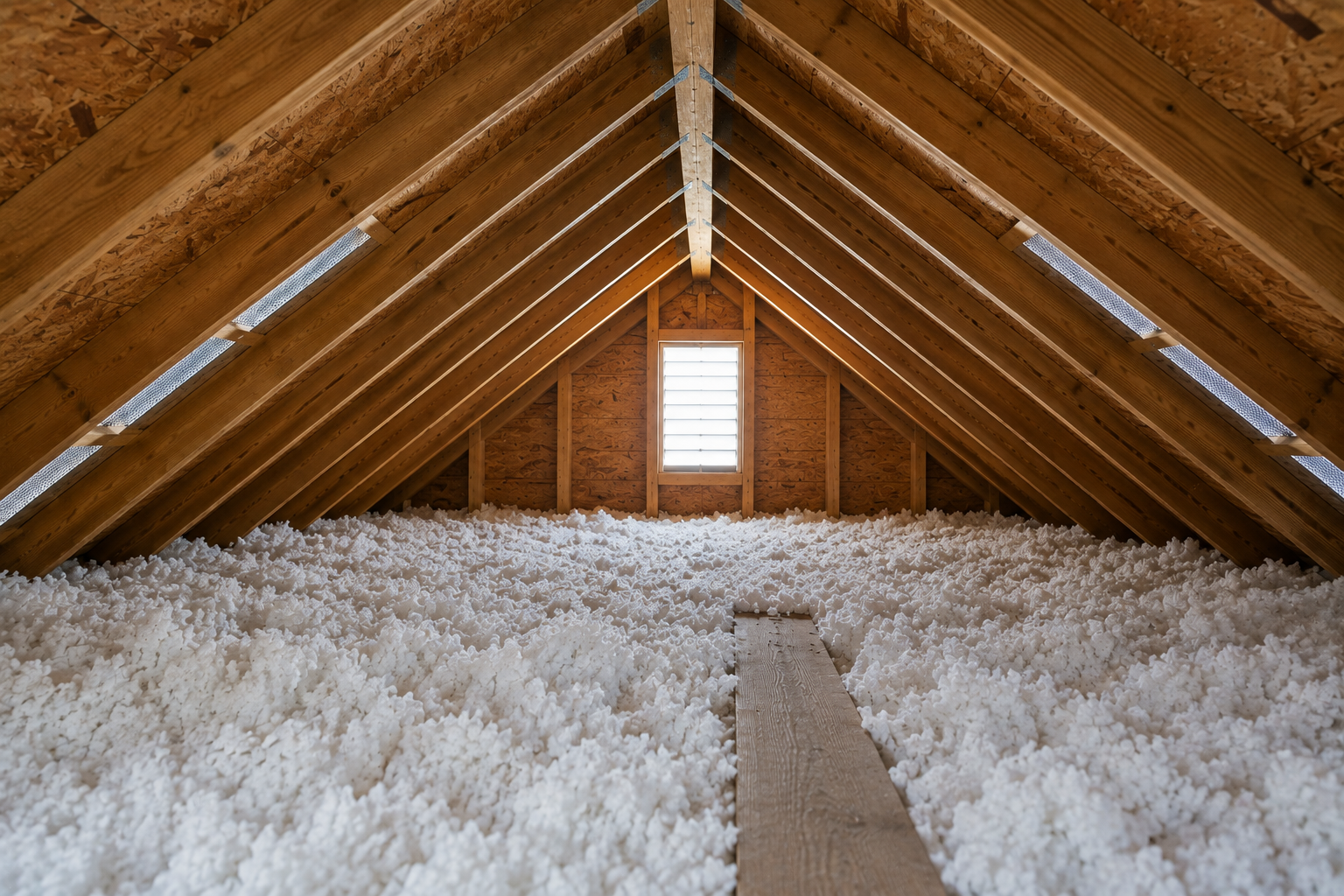
Effective ventilation relies on a clear path for air to move. Cool air enters through intake vents, usually at the soffits, and warm air exits through higher vents like ridge vents. If one side is blocked or too small, airflow weakens. A balanced design is more effective than adding random vents without understanding how the system works together.
Air sealing and insulation matter too
Ventilation works best with proper insulation and air sealing. If warm, moist air leaks from the living space into the attic, vents alone can’t fix the problem. Roofing and attic checks should look at the entire building envelope. Pairing ventilation improvements with a new roof installation can create a more durable system.
Building science supports long-term performance.
Research from groups like the National Association of Home Builders shows that managing moisture and heat affects building durability. Roofs are sensitive because they sit where outdoor weather and indoor conditions meet. When airflow is planned right, the attic becomes a buffer zone. That shift can make a big difference in how long your roof lasts.
How Attic Ventilation Supports Florida Homes
Humidity control is especially important.
In humid areas, attic ventilation is crucial if you want to protect materials long-term. Moist air can be relentless, and when it gets trapped, it increases the risk of mold and wood damage. Florida homes also face strong sun exposure, adding stress to the roof. A ventilation strategy designed for this climate helps reduce both heat and moisture buildup.
Storm seasons raise the stakes.
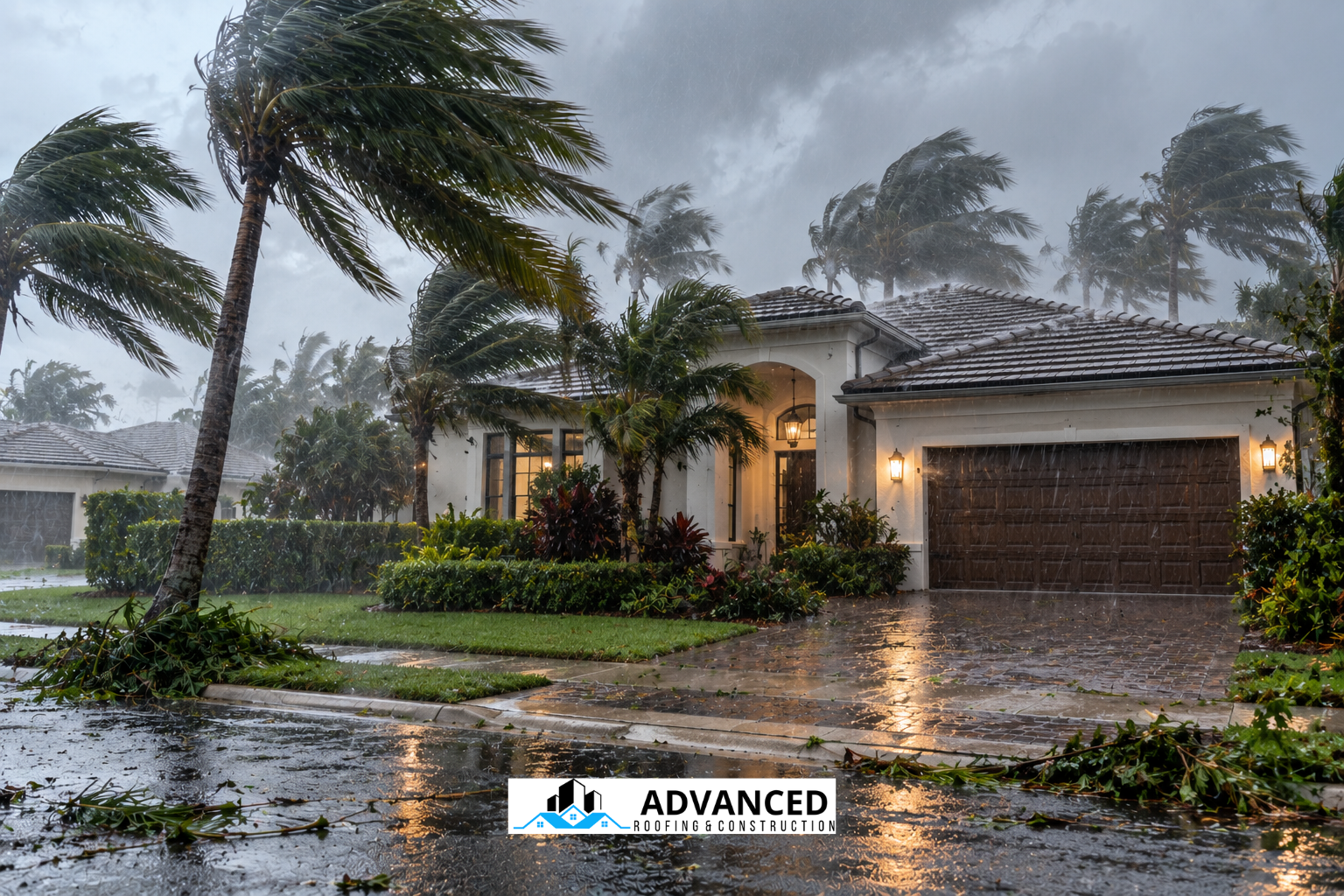
Wind-driven rain and storm debris can cause small roof failures that are easy to miss at first. If ventilation is already weak, those failures have a bigger impact because moisture has fewer escape routes. After major weather events, homeowners should schedule storm damage services to check for leaks and airflow problems. A roof that dries properly after storms is more likely to stay in good shape.
Local expertise makes a difference.
Ventilation design should match the home’s architecture, roof shape, and local weather. That’s why working with a skilled roofing contractor matters. Advanced Roofing & Construction knows the demands on South Florida roofs and helps homeowners pick ventilation solutions that fit the property. For locals, that perspective can be the difference between a roof that survives and one that lasts.
Best Practices for Improving Attic Ventilation
Start with a professional assessment.
The first step is knowing what’s in place and whether it’s working right. A professional check can reveal blocked soffits, inadequate venting, or signs of moisture intrusion. It can also show if the current setup fits the roof’s size and shape. Planning improvements? A roof inspection is the best way to avoid guesswork and get clear advice.
Choose the right vent types.
Not all vents are the same, and mixing incompatible systems can create more problems. Ridge vents, soffit vents, and attic fans each have different strengths. In many homes, a passive system with balanced intake and exhaust is the best choice. The right solution depends on the roof design and existing airflow patterns.
Keep vents clean and unobstructed.
Even a good ventilation system can fail if vents are blocked by debris or damage. Homeowners should regularly check visible vent areas, especially after bad weather. Clear airflow paths help the system work as intended and keep the attic stable. If gutter overflow contributes to water intrusion, a gutter replacement might also help, as good drainage supports moisture control.
Roof Problems That Can Be Mistaken for Ventilation Issues
Leaks and ventilation problems often look similar.
Water stains in the attic don’t always mean it’s a ventilation issue. Sometimes it’s flashing failure, missing shingles, or storm damage. That’s why experienced roofing pros look at the whole roof instead of focusing on one symptom. A careful diagnosis prevents unnecessary repairs and helps homeowners invest in the right fix.
Condensation can mimic a leak.
Condensation often appears as damp spots or musty smells, similar to a roof leak. The difference is that condensation follows patterns tied to humidity and airflow, while leaks are linked to weather. Understanding this matters because the repair strategy differs for each. If the source is unclear, a detailed inspection is the safest path forward.
Multiple roof systems may be involved.
Sometimes, ventilation issues are part of a larger roofing problem. For example, an older roof might have limited airflow and damaged flashing. A full roof evaluation can determine whether repair, replacement, or ventilation improvement is the best next move. For homes needing major work, combining ventilation upgrades with roof replacement can improve the project's long-term value.
Frequently Asked Questions About Attic Ventilation
How much ventilation does my attic need?
The amount of ventilation needed depends on the attic size, roof design, and local codes. A common rule is to provide balanced intake and exhaust so air moves freely. But the best answer comes from a professional evaluation. Every roof is different, so a custom check is the most reliable way to find the right setup.
Can too much ventilation be a problem?
Yes, if the system isn’t balanced or if vents disrupt proper airflow. More vents aren't automatically better. Poorly placed vents can pull air from the wrong areas. That’s why expert planning matters more than just adding vents.
Does attic ventilation help with mold prevention?
Ventilation helps prevent mold by reducing humidity. It doesn’t replace sealing, leak repair, or insulation, but it supports a drier attic. The Centers for Disease Control and Prevention notes that controlling moisture is key to reducing mold risk. If you notice odors or growth, act quickly before it spreads.
Should I upgrade ventilation when replacing my roof?
Absolutely. A roof replacement is the perfect time to improve ventilation because the system can be designed as part of the installation. This ensures the new roof isn’t compromised by old airflow problems. When installation is combined with ventilation improvements, homeowners often see better performance from the whole roofing system.
Why Professional Roofing Guidance Matters
Experience helps identify hidden issues.
Attic ventilation problems are easy to miss from the ground. A professional roofing contractor can spot signs of poor airflow or moisture issues. That expertise helps homeowners avoid temporary fixes that don’t solve the real problem. Often, the right recommendation saves money by preventing future damage.
Quality workmanship affects the outcome.
Even the best plan can fail if installation is sloppy. Vents must be placed correctly and integrated with the roof to protect against leaks. This is crucial in areas with intense weather. Careful work ensures the ventilation system improves roof life instead of creating new problems.
Local service adds accountability.
Working with a local company means you have someone who understands the weather and building styles in your area. Advanced Roofing & Construction serves homeowners with practical roofing solutions designed for durability. If you need support in Davie or nearby, check our local service areas, including Pine Island Ridge and Arrowhead, to see how we support nearby homeowners with tailored roofing help.
How to Protect Your Roof Starting Today
Schedule a roof and attic evaluation.
Protecting your roof starts with a professional evaluation. A thorough inspection can identify weak airflow, damaged vents, moisture issues, or signs that the roof is aging. It helps you decide if a repair, ventilation upgrade, or replacement makes sense. For those who want to take the guesswork out of roof care, an inspection is a great first step.
Address minor issues before they grow.
Small problems often become expensive if ignored. A missing vent screen or blocked soffit may seem minor but can lead to bigger issues later. Proactive maintenance gives you more control over the roof’s lifespan and helps you avoid emergency repairs. If you suspect damage, our roof repair team can help you fix problems before they spread.
Use a long-term mindset.
Roof care isn’t just about fixing visible issues. It’s about creating a system that works year after year with fewer surprises. Attic ventilation is one of the simplest ways to improve that outlook because it protects the roof from heat and moisture. Combined with regular maintenance and expert service, it can add meaningful life to your roof.
Final Thoughts: A Better-Ventilated Attic Means a Better Roof
Attic ventilation is one of those quiet details that pays off over time. It controls heat, reduces moisture, protects materials, and supports energy efficiency, all of which help your roof last longer. Whether your home needs a small tweak or a bigger roofing project, ventilation should be part of the conversation. Ignoring it can shorten even a well-built roof’s life, while improving it strengthens your whole home protection system.
If you want expert guidance on your roof’s condition, Advanced Roofing & Construction is ready to help with professional advice, dependable service, and solutions designed for South Florida homes. From inspections to repairs, replacements, and ventilation improvements, our team focuses on practical results that protect your investment. Contact us today at (954) 540-3135 or email info@advancedroofingnconstruction.com to schedule your free on-site estimate and take the next step toward a longer-lasting roof.