Why Roof Inspections Are Important Before Buying a Home
Buying a home is exciting, but there's a gamble involved. One of the biggest hidden risks? The roof. Roofing problems can be pricey, disruptive, and tough to handle after closing. Getting a thorough roof inspection keeps you in the loop about the property’s true condition, helps estimate future costs, and avoids nasty surprises that could turn your dream home into a nightmare. If you’re already comparing properties or gearing up to make an offer, it's wise to know how roof inspection services can protect your wallet and peace of mind.
Roof issues are a big deal, especially in Florida, where heat, heavy rain, humidity, and storms can speed up wear and tear. According to the U.S. Department of Energy, a building’s envelope performance affects comfort and efficiency, with the roof playing a major role. A roof inspection does more than just spot leaks; it reveals ventilation problems, damaged materials, drainage issues, and storm-related concerns that might not be visible during a quick walkthrough.
Homebuyers don’t just want to buy a house; they want one that stays safe, dry, and structurally sound after the sale. That’s why roof inspections are a must in the home buying process, whether the home is new, recently fixed up, or years old.
What a Roof Inspection Actually Reveals
Visible Damage and Material Wear
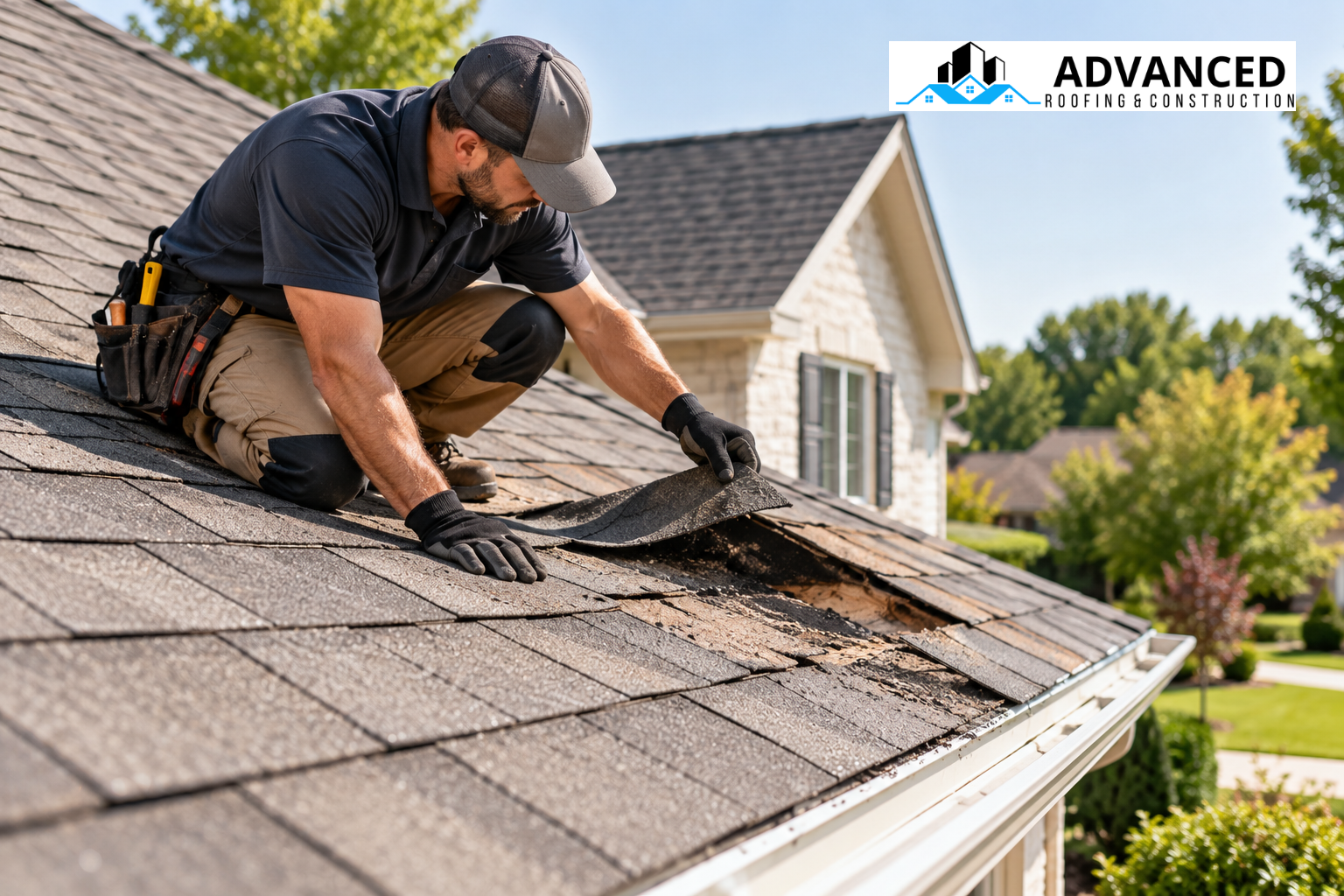
A professional roof inspection looks for cracked shingles, missing tiles, worn-out flashing, rusted fasteners, soft decking, and signs of past repairs. These issues might seem minor at first, but they can point to bigger problems down the road. A roof that looks good from the street might still have hidden issues that shorten its lifespan.
Inspectors also check wear patterns. Uneven aging can hint at poor installation, wind damage, or water intrusion. If a home has had multiple patch jobs, that history matters because repeated repairs can mask a larger issue needing a full solution like roof replacement.
Leaks and Moisture Intrusion
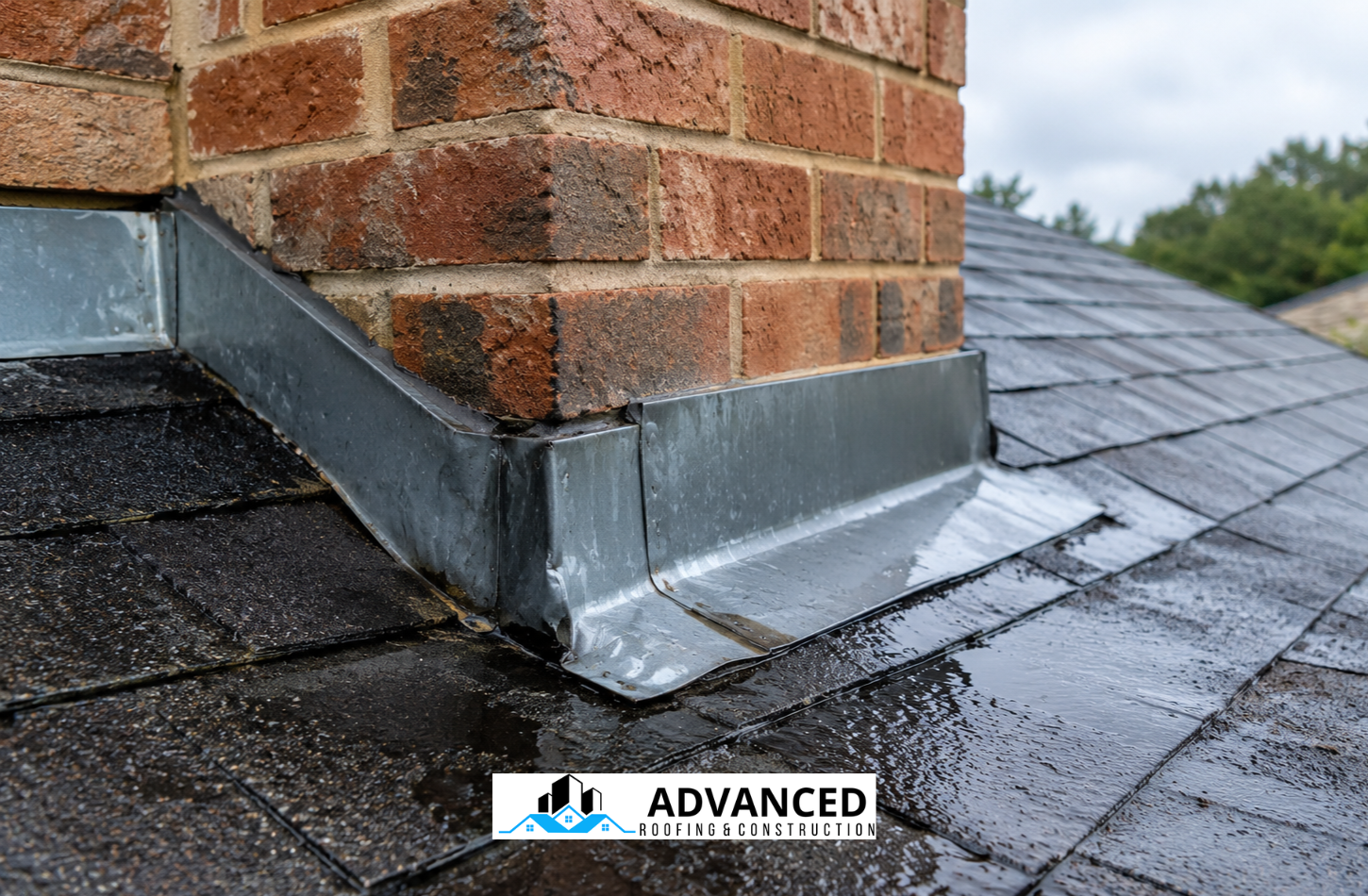
Water is one of the most damaging forces in a home. During an inspection, professionals look for stains on ceilings, damp insulation, mold growth, and active leaks around penetrations, valleys, skylights, vents, and chimneys. These clues can reveal whether a roof system is failing or if a past leak wasn't fully resolved.
Moisture issues can spread beyond the roof. Once water gets in, it can damage drywall, insulation, wood framing, and even electrical systems. Catch this risk early, and it’s easier to request repairs, negotiate credits, or decide that another home is the better option.
Structural and Ventilation Concerns
A good roof inspection also checks for structural issues and airflow problems. Poor attic ventilation can trap heat and moisture, shortening the life of shingles and raising energy costs. If a home shows signs of high attic temperatures, poor airflow, or condensation, an inspector may suggest improvements to attic ventilation before those problems turn into bigger repairs.
This is crucial in hot, humid climates, where trapped heat can speed up deterioration. Roof problems aren’t always caused by visible storm damage; sometimes, the real issue is poor system design, blocked vents, or an aging roof assembly that no longer holds up under local weather conditions.
Why Roof Inspections Matter So Much Before Closing
They Help You Understand the Real Cost of Ownership
One of the most common buyer mistakes is focusing only on the purchase price and monthly payment. A roof inspection gives you a clearer picture of future expenses. If a roof only has a few years left, factor in repair or replacement costs before finalizing the purchase. That information can influence your offer strategy and your overall housing budget.
Without an inspection, you might buy a home and quickly discover the roof needs urgent work. Often, that expense isn’t minor. Depending on the size, slope, and materials involved, repairs can be substantial. An inspection makes a surprise cost a planned decision.
They Strengthen Your Negotiation Position
Inspection results can help buyers negotiate more effectively. If the report identifies damage or a shortened roof lifespan, you might ask the seller to complete repairs, lower the price, or provide closing credits. Those options give you flexibility and can make a property more affordable without sacrificing safety.
Sometimes, the inspection can reveal enough issues to justify walking away. That might sound disappointing, but it’s better to find a major roofing problem before closing than after you’ve taken ownership. A roof inspection is a practical risk management tool, not just another item on the checklist.
They Reduce the Chance of Post-Purchase Emergencies
After buying a home, the last thing any homeowner wants is a surprise leak during the first storm. If an inspection spots vulnerabilities in advance, you can address them before they turn into emergencies. This is especially valuable for buyers who are relocating, budgeting carefully, or purchasing a home as a long-term investment.
Roof emergencies are stressful because they often happen at the worst time. Water intrusion can damage belongings, disrupt daily life, and require immediate contractor response. Planning with a professional evaluation can reduce that risk dramatically.
Signs a Roof Inspection Is Especially Important
The Home Is Older or Has an Unknown Roof History
If the seller can’t provide documentation for the roof’s age, material type, or repair history, inspection becomes even more important. Older roofs often have layers of wear, and lifespan varies depending on maintenance, weather exposure, and past workmanship. Buyers should never assume a roof is fine just because it looks decent from a distance.
Homes updated in other areas may still hide roof issues. New paint, fresh flooring, or remodeled kitchens don’t reveal much about the roof’s condition. That’s why inspections should be part of the core due diligence process, not an optional extra.
The Property Has a History of Storms or Strong Weather
Wind, hail, and flying debris can cause visible and hidden damage. In storm-prone regions, a roof can appear intact but still have weakened seals, lifted shingles, or subtle impact damage. Homebuyers should consider a roof evaluation after major weather events, especially if the neighborhood has seen widespread damage.
For buyers wanting more context on storm-related issues, trusted resources like Ready.gov and FEMA offer helpful guidance on severe weather preparedness and recovery. That information can help you understand why storm checks matter so much before closing on a property.
There Are Visible Warning Signs During the Showing
Some homes show obvious clues that a roof inspection is necessary. These include water stains, sagging lines, curled shingles, moldy odors, patched spots, clogged gutters, or excessive granule loss in shingles. If you notice any of these issues, schedule an inspection immediately rather than waiting until the final walkthrough.
Buyers often feel pressure to move quickly in a competitive market. Even so, visible roof warning signs should never be ignored. A few minutes of caution now can save thousands of dollars later.
What Happens During a Professional Roof Inspection
Exterior Evaluation
A professional inspection usually starts outside. The inspector examines shingles, tiles, flashing, ridge caps, vents, soffits, gutters, fascia, and the overall drainage pattern of the roof. They look for cracks, corrosion, loose materials, and areas where water may pool or enter the structure.
Exterior review also includes identifying workmanship issues. Improperly installed flashing or poor sealing around penetrations can shorten a roof’s service life. If a buyer understands these risks before purchase, they can make a better decision about whether the home is worth the asking price.
Interior and Attic Review
The attic often tells the real story. Inspectors may look for daylight entering through the roof deck, damp insulation, mold growth, rusted nails, and signs of heat buildup. These details help confirm whether the roof is actively leaking or whether the attic system has underlying ventilation problems.
That is one reason a roof inspection is often more valuable than a quick homeowner glance. It evaluates the roof as a system rather than as a set of visible materials. If the attic is not inspected, important clues can be missed.
Documentation and Recommendations
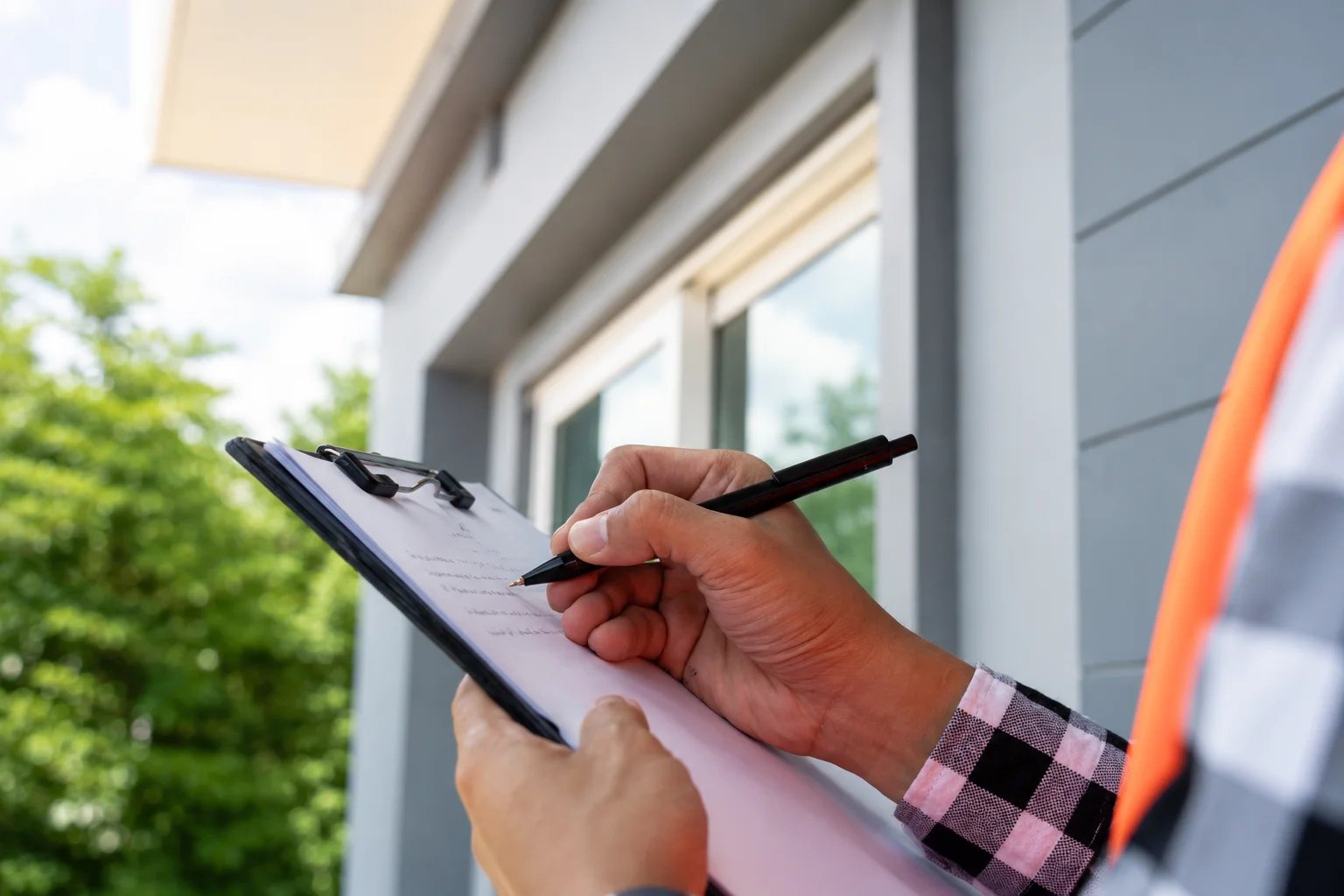
After the inspection, you should receive a summary of the findings, often with photos and recommended next steps. This report can help you prioritize what is urgent, what is manageable, and what may require future budgeting. If repairs are needed before closing, the report gives you a credible basis for requesting action from the seller.
Some buyers also use the report to compare multiple properties. If one home has a roof that is near the end of its life and another has been well maintained, the inspection can make the better value much easier to identify.
Roof Inspection vs. General Home Inspection
Why a General Home Inspector May Not Be Enough
General home inspectors are important, but they may not always detect the full extent of roofing concerns. They typically perform a broad visual review and may note obvious defects, yet they are not always focused on the detailed roof system analysis a dedicated roofing professional provides. A specialized inspection can uncover details that a general inspection overlooks.
For example, a home inspector may notice a stain, but a roofing specialist may identify the exact source, such as a failed flashing detail or a ventilation problem. That distinction matters when you are making a purchasing decision that could affect your finances for years.
When to Schedule Both
In many cases, the best approach is to schedule both a general inspection and a specialized roof inspection. The general inspection covers the overall property, while the roof inspection provides focused expertise on one of the most expensive systems in the home. Together, they give buyers a far more complete picture of the property’s condition.
If you are buying in South Florida and want a more specific look at service options, you can explore residential roofing support for homes that need careful assessment, repairs, or long-term planning. A layered approach gives you more confidence before you commit.
How Roof Inspections Fit into Smart Due Diligence
Due diligence is about minimizing uncertainty. A roof inspection fits perfectly into that process because it answers a basic question: how much life does this roof really have left? In a market where buyers often make fast decisions, reliable information is powerful.
Think of it this way: the inspection does not just evaluate a roof. It protects the entire purchase decision. That is why experienced buyers, agents, and investors treat it as a standard part of the process.
How Roof Inspections Can Save You Money
Preventing Expensive Emergency Repairs
Emergency roof work almost always costs more than planned maintenance. When a leak shows up unexpectedly, you may need immediate tarping, water extraction, drywall repair, and follow-up roofing work. A roof inspection can identify concerns before they turn into crisis-level expenses.
Even small defects can become costly if ignored. Loose flashing, for instance, may seem minor until the next heavy rain pushes water into the home. Early detection is one of the most reliable ways to protect your budget.
Helping with Insurance and Financing Concerns
Some insurers and lenders pay close attention to roof condition, especially when the roof is older or shows visible deterioration. If the inspection reveals serious concerns, you may need repairs before closing or risk issues with coverage or loan approval. That makes the inspection more than a maintenance check; it becomes a financial safeguard.
For local standards and code-related background, buyers can review the Florida Building Code and related statewide information. Understanding the code environment can help explain why roof condition and compliance matter so much in Florida transactions.
Protecting Resale Value
A strong roof is an asset when you eventually sell the home. Buyers are more confident when they see a recent inspection, maintenance history, and evidence that the roof has been cared for properly. On the other hand, a neglected roof can weaken your resale position and reduce buyer interest later.
In other words, roof inspection is not only about the current transaction. It also supports long-term home value and marketability. That makes it one of the smartest investments a buyer can make before closing.
Common Roof Problems Found During Home Inspections
Aging Materials and General Wear
Every roof has a lifespan. Asphalt shingles, tile systems, and flat roof materials all age differently, but they eventually reach a point where repairs become less effective than replacement. Inspectors look for brittle materials, missing granules, fading, cracking, and weakened seal points that indicate the roof is approaching the end of its useful life.
If a roof has reached that stage, buyers should not panic. Instead, they should use the information to decide whether to proceed, renegotiate, or plan for future work. Clear expectations are always better than false confidence.
Poor Drainage and Gutter Issues
Drainage matters more than many buyers realize. Clogged, damaged, or improperly pitched gutters can create standing water, overflow, and fascia damage. In some cases, issues with runoff may also affect the foundation or exterior walls. That is why many buyers review roof and gutter systems together rather than separately.
If drainage concerns are identified, services such as gutter replacement may be part of the solution. A roof does not perform well when water has nowhere safe to go, so this system should be part of the broader inspection conversation.
Storm Damage and Hidden Uplift
Storm damage is not always obvious. Wind can lift shingles without tearing them completely off, which leaves the roof vulnerable to leaks later. Hail may bruise roofing materials in a way that is hard to spot from the ground. That is why post-storm inspections are so important before purchase.
If your future home has weather history or visible impact concerns, ask about storm damage services so repairs and restoration can be evaluated properly. A storm-affected roof needs expert review, not guesswork.
Questions Every Homebuyer Should Ask
How Old Is the Roof?
Age is one of the most important factors in roof condition. A roof that is 5 years old and well maintained is very different from one that is 20 years old and has had repeated patch repairs. Ask for documentation if available, including permits, warranties, and maintenance records.
If the seller cannot provide a clear answer, the inspection becomes even more valuable. You need an estimate of expected remaining life before making a final decision.
Has the Roof Had Recent Repairs?
Recent repairs are not necessarily bad, but they should be understood. Ask what was repaired, why it was repaired, and whether the work was completed by a licensed professional. A repair history can reveal whether the roof has had isolated problems or recurring trouble.
In many cases, repeated repair needs can suggest that the system is nearing replacement. Knowing this before closing gives you more control over your next steps.
Are There Signs of Past Leaks or Ventilation Problems?
Past leaks can leave permanent clues, even if they are no longer active. Stains, warped wood, peeling paint, and odors can all point to older water intrusion. Ventilation issues are also worth asking about because they affect roof longevity and indoor comfort.
When you ask these questions early, you are not being overly cautious. You are making a responsible purchase decision based on evidence rather than assumptions.
Why Local Expertise Matters
Florida Roofs Face Unique Conditions
Not all roofs age the same way, and climate plays a huge role. In Florida, intense sun, tropical storms, humidity, and salt air can accelerate deterioration. That’s why buyers should prioritize inspections from professionals who understand local weather patterns and construction practices.
Local expertise matters because a roofing issue in one region may not have the same urgency in another. A professional who works in South Florida knows how to evaluate signs of heat stress, wind exposure, and moisture intrusion more accurately than someone unfamiliar with the area.
Working with a Roofing Contractor Before You Buy
If you are serious about a property, it can be wise to involve a roofing contractor early in the process. A contractor can help you understand whether repairs are minor, whether replacement is likely, and what kind of maintenance the home may need in the next few years. That kind of insight can change your entire buying strategy.
For buyers comparing properties in different neighborhoods, you can also review local service areas such as Pine Island Ridge and Plantation to better understand how regional roofing needs may vary. Local context helps buyers make smarter, more informed choices.
Choosing a Team That Values Honesty and Detail
A roof inspection should be straightforward, clear, and useful. You want findings that are explained in plain language, with enough detail to guide your decision. The best professionals do not just point out defects; they help you understand urgency, options, and next steps.
That kind of guidance is especially valuable when you are balancing inspection timelines, seller negotiations, and financing deadlines. A thoughtful roofing expert can help you move forward with confidence.
Conclusion: A Roof Inspection Is a Smart Investment Before Buying
Roof inspections are one of the most important steps a homebuyer can take before closing. They reveal hidden damage, clarify the remaining life of the roof, support negotiations, and reduce the risk of expensive surprises after purchase. When you understand the condition of the roof, you can make a more confident and financially sound decision.
Whether the home is older, storm-exposed, or simply high on your shortlist, a dedicated roof inspection provides the details you need to protect your investment. If the report identifies concerns, you can respond with repair requests, pricing adjustments, or a plan for future work rather than being caught off guard later. That is the real value of due diligence.
If you are preparing to buy a home and want trusted local guidance, Advanced Roofing & Construction is ready to help with professional evaluations and dependable support. Learn more about roof repair when issues are found, or schedule an inspection to get clear answers before you commit. For homeowners and buyers who want long-term protection, the smartest first step is always information.
Ready to make a confident home purchase? Contact Advanced Roofing & Construction today for a professional roof inspection and take the guesswork out of buying your next home.